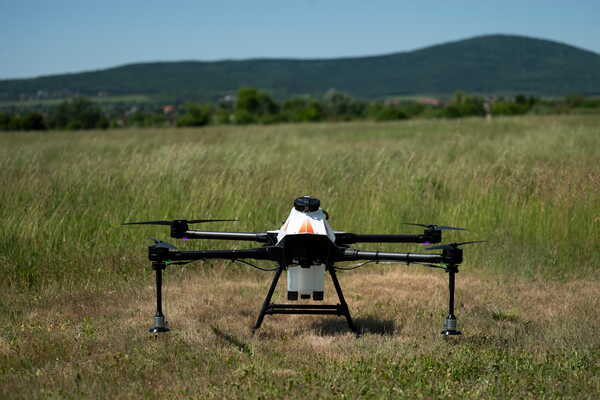
Acecore Launches Next-Gen Noa Drone with Enhanced Features
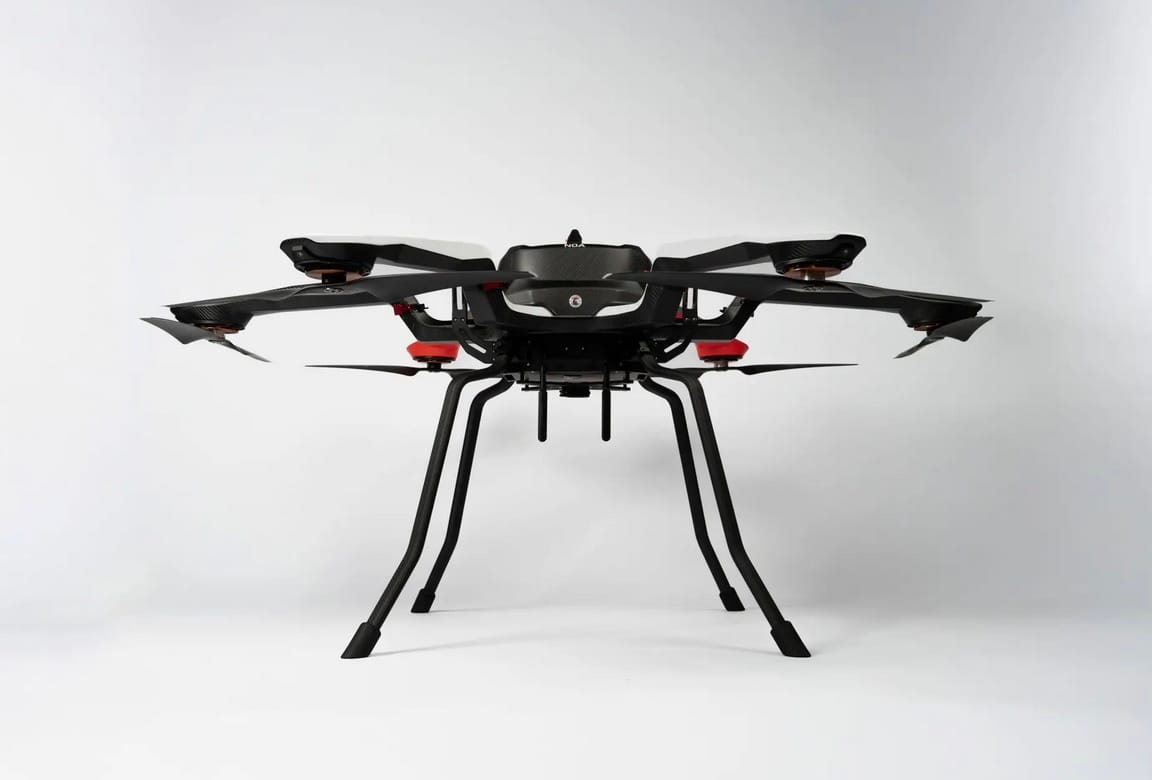
Acecore Technologies has launched the new Noa drone, featuring an extended flight time of up to 80 minutes and a payload capacity of 19.8 kg. This heavy‑lift platform is designed for professional operators, boasting a foldable design, improved airframe and all‑weather performance.

Key facts
- Flight time of up to 80 minutes with a maximum payload of 19.8 kg.
- Foldable design and a robust carbon fiber airframe for enhanced durability.
- Capable of operating in extreme weather conditions, including high winds and varying temperatures.
2 minute read
Acecore’s next-generation Noa signals a step forward for European heavy-lift unmanned systems. A domestically built platform with up to 80 minutes of endurance and a 19.8 kg payload gives EU operators a credible alternative to non-European suppliers. The foldable, single-piece carbon fiber airframe and redundant six-motor propulsion point to resilience, rapid deployment, and easier transport. All-weather performance expands the mission window for defence support to civil authorities and critical infrastructure protection. For NATO users, the value lies in payload flexibility and runway independence. A heavy-lift multirotor can move sensors, small cargo, or communications relays across short ranges with minimal logistics footprint, supporting dispersed operations and rapid tasking. Dedicated interface panels should shorten integration timelines for electro-optical, mapping, or specialist kits used across member states. Environmental robustness matters in Baltic, North Sea, alpine, and Mediterranean conditions, where wind and precipitation often ground lighter airframes. Strategically, EU-origin systems reduce security and supply-chain exposure at a time when several governments restrict certain foreign drones in sensitive missions. Platforms like Noa can anchor trusted fleets for emergency response, border support, and industrial site security, while offering a pathway to militarised variants through modular payloads and secure data handling. Policy tailwinds are favorable. EU and NATO initiatives prioritise interoperable, scalable, and attritable capabilities that can be fielded quickly. The test will be cost, assured production, and integration with national command-and-control and counter-UAS ecosystems. Demonstrating resilience to electronic interference and providing dependable maintenance pipelines will determine adoption beyond niche tasks. Expect more European heavy-lift multirotors to move from pilot projects to programs of record.