Belgium advances plans to arm SkyGuardian drones
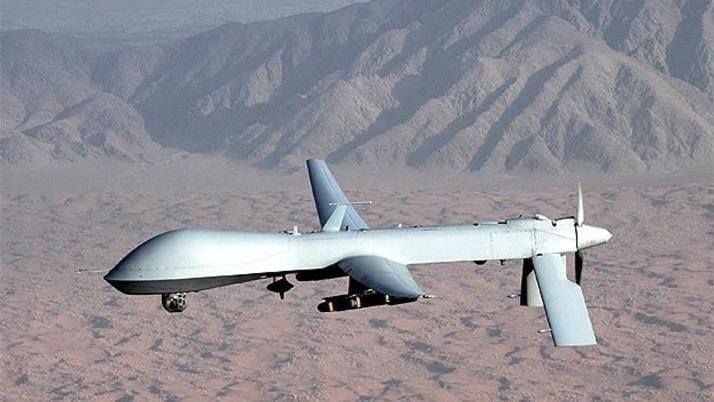
Belgium is advancing plans to arm its SkyGuardian remotely piloted aircraft, shifting the platform from intelligence-only to an armed ISR role and prompting debate over legal, operational and NATO implications.
Key facts
- Belgium is advancing plans to arm its MQ‑9B SkyGuardian remotely piloted aircraft.
- The move raises legal, parliamentary oversight and rules-of-engagement questions.
- Arming SkyGuardian affects NATO interoperability, logistics and doctrine requirements.
2 minute read
After a six-year delay, Belgium is finally moving forward with plans to equip its SkyGuardian drones with weapons. The parliament's Defence Procurement Committee has officially approved the tender, marking a significant shift in policy after years of ethical debate.
Belgium originally purchased the SkyGuardian system back in 2019. While the aircraft were always built to carry munitions, the previous government, led by Alexander De Croo, chose not to arm them. This decision was largely driven by opposition from left-leaning political parties who had ethical concerns about the technology.
This hesitation occurred despite the advice of the military’s general staff. Military leaders have long argued that there is no functional legal or ethical difference between operating an armed drone and flying a traditional F-16 fighter jet. Consequently, for the past few years, the drones have been used strictly for intelligence, surveillance, and reconnaissance missions.
The shift in policy aligns with the views of the incoming coalition government under Bart De Wever. Earlier this year, they backed a proposal from MP Peter Buysrogge to fully utilize the drones' capabilities.
Buysrogge argued that the military cannot afford to lag behind technologically. "I am therefore pleased that common sense has finally prevailed," he stated following the approval. He highlighted the urgency of the situation, noting that hostile actors, such as the Iranian regime, are already deploying drones against targets on European soil. The argument is that Belgium must be fully equipped to defend itself.
To address fears regarding "autonomous weapons," officials have stressed that human oversight remains a non-negotiable part of the process. Buysrogge emphasized that these are not independent killing machines; they are tools operated by trained professionals designed to support ground troops and minimize collateral damage.
However, the decision isn't without its critics. While the government reiterated in August that the drones are currently for intelligence use, civil society organizations worry about the long-term implications. Since these aircraft are cleared to operate in Belgian airspace, there are lingering concerns that they could eventually be used for domestic surveillance, potentially infringing on the privacy of Belgian citizens.