Berlin Airport Resumes Flights After Drone Incdent
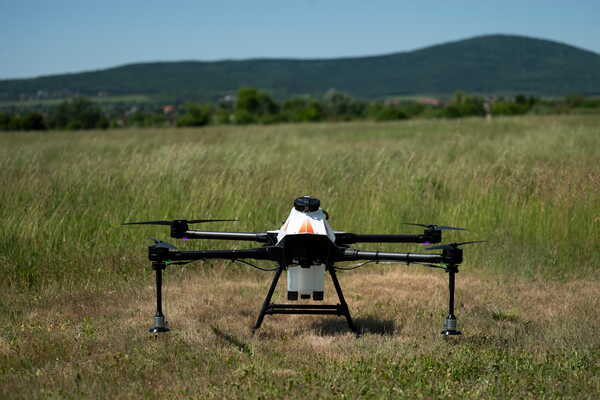
Berlin Brandenburg Airport experienced a nearly two-hour suspension of flights due to the sighting of unidentified drones. This incident is part of a growing trend of drone alerts affecting airports and military sites across Europe.


Key facts
- Flights at Berlin Brandenburg Airport were suspended for nearly two hours.
- The incident involved sightings of unidentified drones near the airport.
- This event is part of a growing trend of drone alerts affecting European airspace.
2 minute read
The temporary shutdown at Berlin Brandenburg is a small incident with big implications for European airspace governance. It exposes the gap between rapid detection and legally authorised interception, and the trade off between safety and continuity. With cheap, mobile and hard to attribute drones, Europe and NATO must treat airport disruption as a persistent, low cost threat rather than an anomaly. Mitigation demands layered counter UAS at major hubs, fusing radio frequency and radar sensors with optical confirmation, fast command and control, and automated correlation with Remote ID and geofencing. The constraint is less technology than authority and procedure. Rules of engagement on when to jam, spoof or seize a drone still vary by state and by agency. Electronic attack risks interference, kinetic tools carry collateral risk, and directed energy is scarce. Without harmonised certification aligned to aviation safety standards, operators will default to ground stops. Civil military integration is decisive. NATO’s air and missile defence should extend to slow, low, small UAS, with a shared picture that includes civil air traffic control, police and airport operators. Cross border alerting, a common incident taxonomy, and joint exercises would cut decision time. Pooled procurement and pre approved vendor lists can speed deployment and reduce cost. Real time data sharing should preserve privacy and evidence chains to support prosecution. U space and Remote ID will manage compliant drones, but resilience rests on mobile interdiction teams and rehearsed playbooks beyond the fence line. Europe’s edge will come from speed, interoperability and predictable authorities.
Source: France 24
You might also like to read…
 Mr. T (Curator)
 Mr. T (Curator)
 Mr. T (Curator)