China Extends Rare Earth Export Control Suspension to EU
China has confirmed that its suspension of rare earth export controls will now include the EU, following high-level discussions between Chinese and European officials. This move aims to stabilize supply chains crucial for the EU's clean-tech and defense industries.


Key facts
- China's suspension of rare earth export controls now applies to the EU.
- The EU relies on China for nearly 99% of its rare earth supply.
- G7 allies are coordinating efforts to counter China's dominance in critical minerals.
2 minute read
China’s decision to extend the suspension of rare earth export controls to the EU buys time, not security. It may ease near term price and delivery pressure for European clean tech and defence manufacturers, but structural exposure remains because China dominates separation and magnet production. A temporary reprieve also creates leverage for Beijing. The EU should use this window to negotiate predictable licensing, transparency on quotas and clear dispute channels, while planning for a rapid snapback of controls.
Policy now needs to convert diversification rhetoric into bankable capacity. Priorities include joint EU purchasing to stabilize costs, targeted state aid to fast track NdFeB magnet plants and heavy rare earth separation, accelerated permitting under the Critical Raw Materials Act and long term offtake contracts with allied producers in Australia, Canada and the Nordics. EU level guarantees, EIB instruments and advance purchase agreements can de risk projects and crowd in private capital. Coordinated G7 standards on traceability and environment would reduce arbitrage and curb coercive pricing. Screening for security risks in processing and alignment with US and UK regimes should be calibrated to avoid fragmenting allied demand.
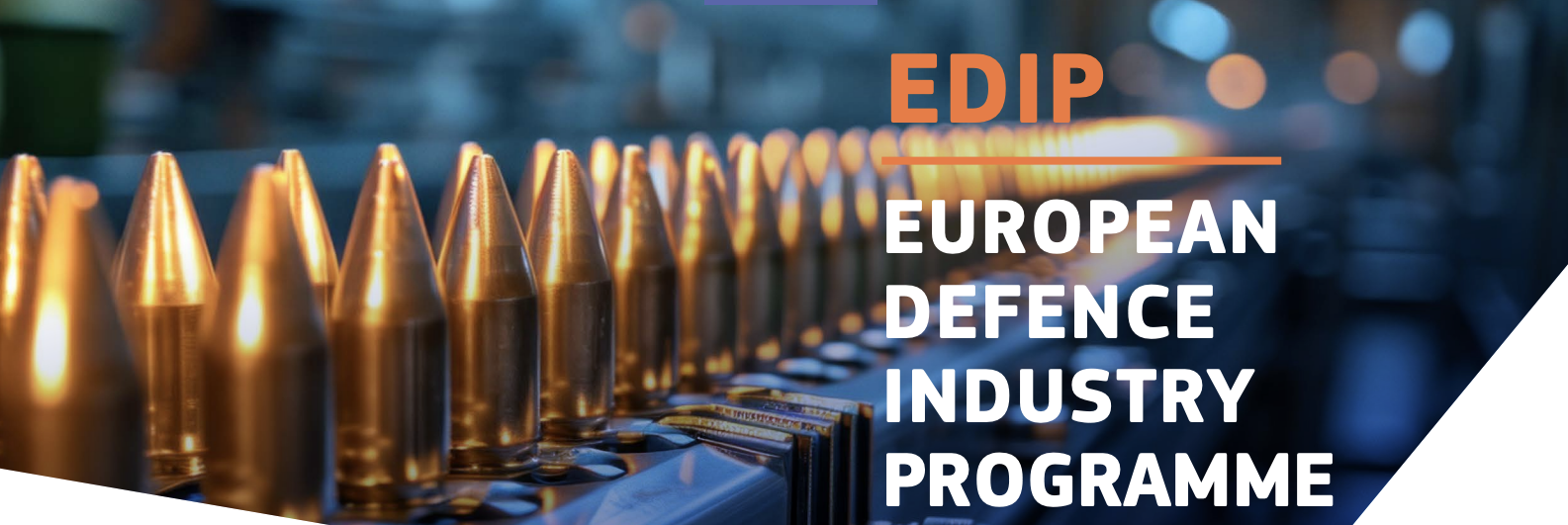
Defence implications are immediate. Radars, precision guided munitions, electronic warfare suites and drones depend on neodymium, praseodymium, dysprosium and terbium magnets. Ministries and primes should run supply chain stress tests, expand strategic stockpiles, embed recycling from wind turbines and EV motors, and fund substitution and thrifting R&D. NATO can fold rare earths into resilience planning, pilot shared inventories for critical spares and use demand pooling to smooth procurement cycles and reduce price spikes.
Europe’s defence edge will increasingly hinge on resilient magnet and rare earth value chains as warfare becomes more electronics intensive.
You might also like to read…
 Mr. T (Curator)
 José Vadio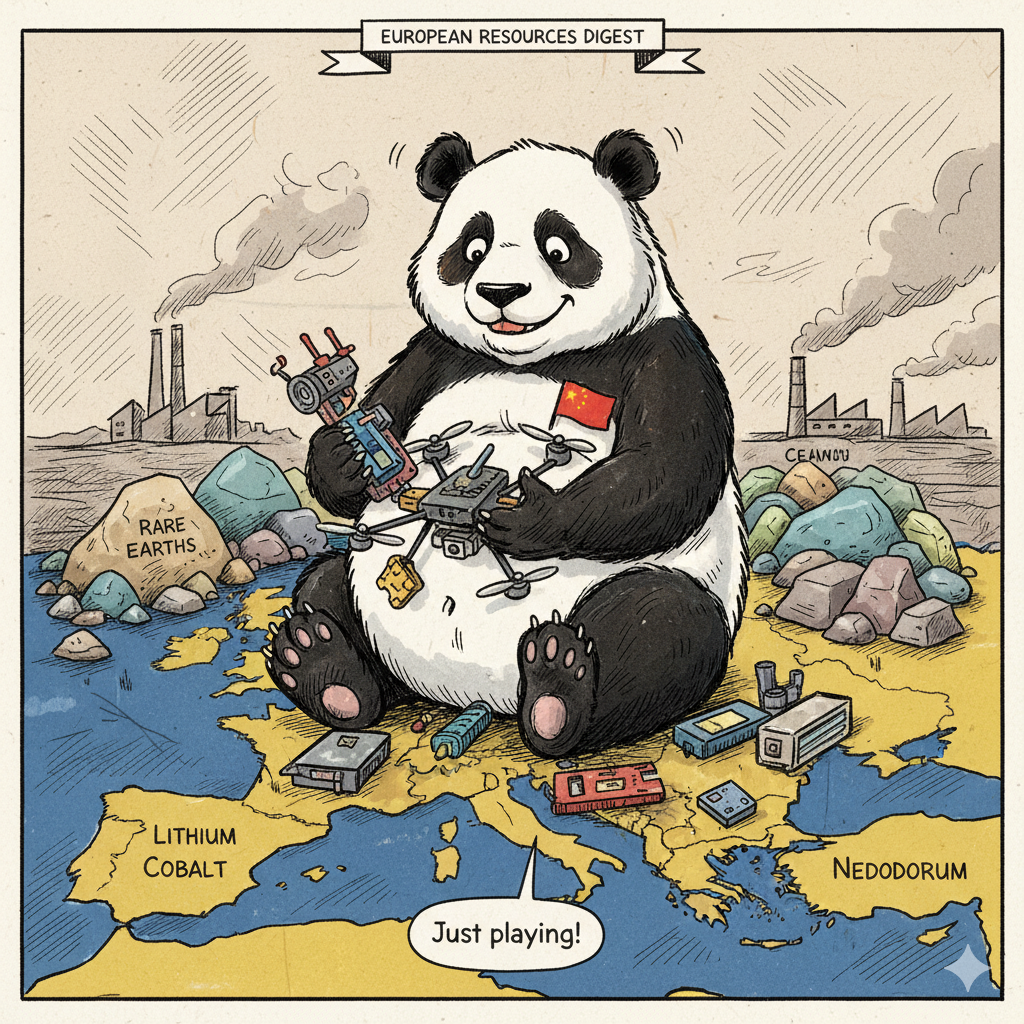
 Mr. T (Curator)