Croatia Enhances Traffic Surveillance with Police Drones
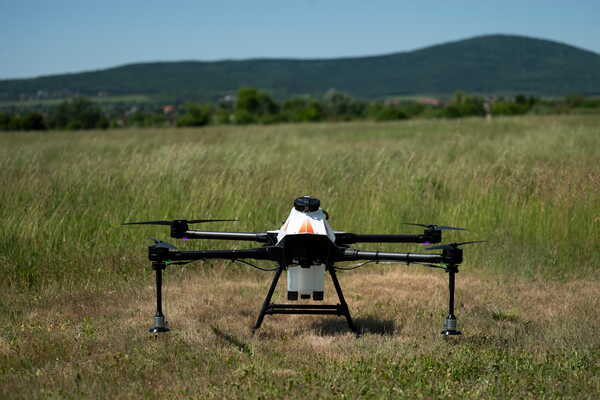
Croatia has initiated a new phase in traffic surveillance by deploying police drones. This advancement aims to enhance public safety and improve traffic management across the nation.

Key facts
- Croatia has launched police drones for enhanced traffic surveillance.
- The initiative aims to improve public safety and traffic management.
- Drones will enable real-time monitoring and quicker response times.
2 minute read
Croatia has launched a large-scale police operation that marks the start of a new era in traffic enforcement, where drones will play a central role in monitoring violations. The Interior Ministry says the initiative aims not only to issue fines but to change long-term driver behaviour. “We expect this will bring what we call the certainty of punishment. People won’t know where we are or necessarily see officers, but they will expect a fine for any offence. That awareness is more important than the fine itself,” said Drago Bukovčak, Assistant Chief of Zagreb’s First Traffic Police Station.
Since the start of 2025, 228 people have died in road accidents, 24 more than in the same period last year. Authorities hope that constant aerial monitoring will help reduce fatalities, especially in crashes with severe consequences. Until now, drones were mainly used to document accident scenes, detect skid marks and collect evidence. Their new role allows coverage over a far wider area, spotting drivers without seatbelts, those using phones or running red lights. Fines are processed on-site by patrols or later via the Police Printing Centre in Zadar.
Police say more drones and trained pilots are on the way. “They will patrol the roads almost daily,” Bukovčak added. “The aim is not just more fines, but safer, more responsible driving across Croatia.”
The initiative fits into a wider European trend of using unmanned systems for public safety oversight. If paired with strong privacy and cybersecurity safeguards, Croatia’s drone network could become a model for how civil UAS can improve safety, efficiency and trust across EU member states.
 Mr. T (Curator)
 Mr. T (Curator)
 Mr. T (Curator)