Debris from Russian Drone Found in Romania Raises Security Concerns
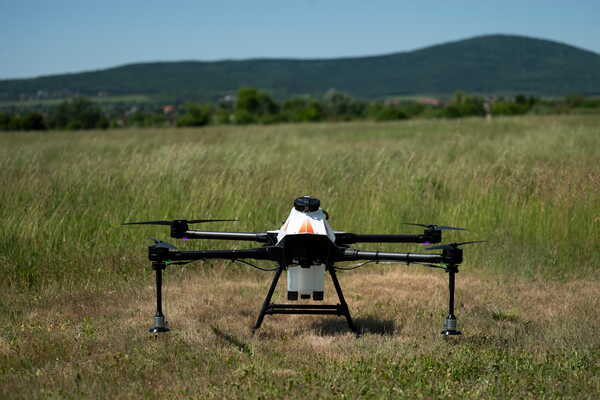
The recent discovery of Russian drone debris in Romania has heightened security concerns in Eastern Europe. This incident underscores the ongoing tensions in the region and the potential risks associated with military operations near NATO borders.


Key facts
- Debris from a Russian drone was discovered in Romania, raising security alarms.
- The incident highlights the risks of military operations near NATO borders.
- Romania is investigating the debris to assess potential threats to national security.
2 minute read
The debris find is another reminder that the Ukraine war produces spillover risks for NATO’s eastern flank. For Romania, the immediate task is attribution and risk assessment, but the strategic task is closing gaps in detection, response, and communication along a complex border environment. Low, slow, small drones challenge traditional radar coverage, and civil protection authorities often become the first responders. Clearer protocols for cross border notification, airspace management, and rapid forensic exploitation will speed decisions and calm public anxiety.
For NATO, the incident reinforces the case for a denser, layered counter UAS and air defence posture along the Black Sea and Danube corridor. Allies are already expanding radar networks, electro optical sensors, and electronic warfare capabilities, yet rules of engagement must balance interception with escalation control. Consistent procedures to coordinate air policing, ground based air defence, and law enforcement will matter as much as new hardware. Effective information sharing, including real time track quality data and timely threat attribution, is now a core deterrence function.
Politically, debris on NATO territory can trigger consultations and erode tolerance for risk if incidents accumulate. Sustained Alliance messaging, coupled with visible resilience measures on critical infrastructure near the border, reduces the chance of miscalculation. The EU can reinforce this effort by accelerating joint procurement and interoperability for counter UAS systems, and by funding hardening for transport nodes that support Ukraine.
Romania’s geography makes it a frontline testing ground for Allied crisis management. Turning these episodes into practice runs for faster decision cycles, better sensors, and shared legal playbooks will strengthen deterrence without inviting escalation. Europe is converging on a more agile, networked air defence posture built for attritable drones and persistent grey zone pressure.
You might also like..
 Mr. T (Curator)
 Mr. T (Curator)
 Mr. T (Curator)