Drone Neutralized Near Military Base in Estonia
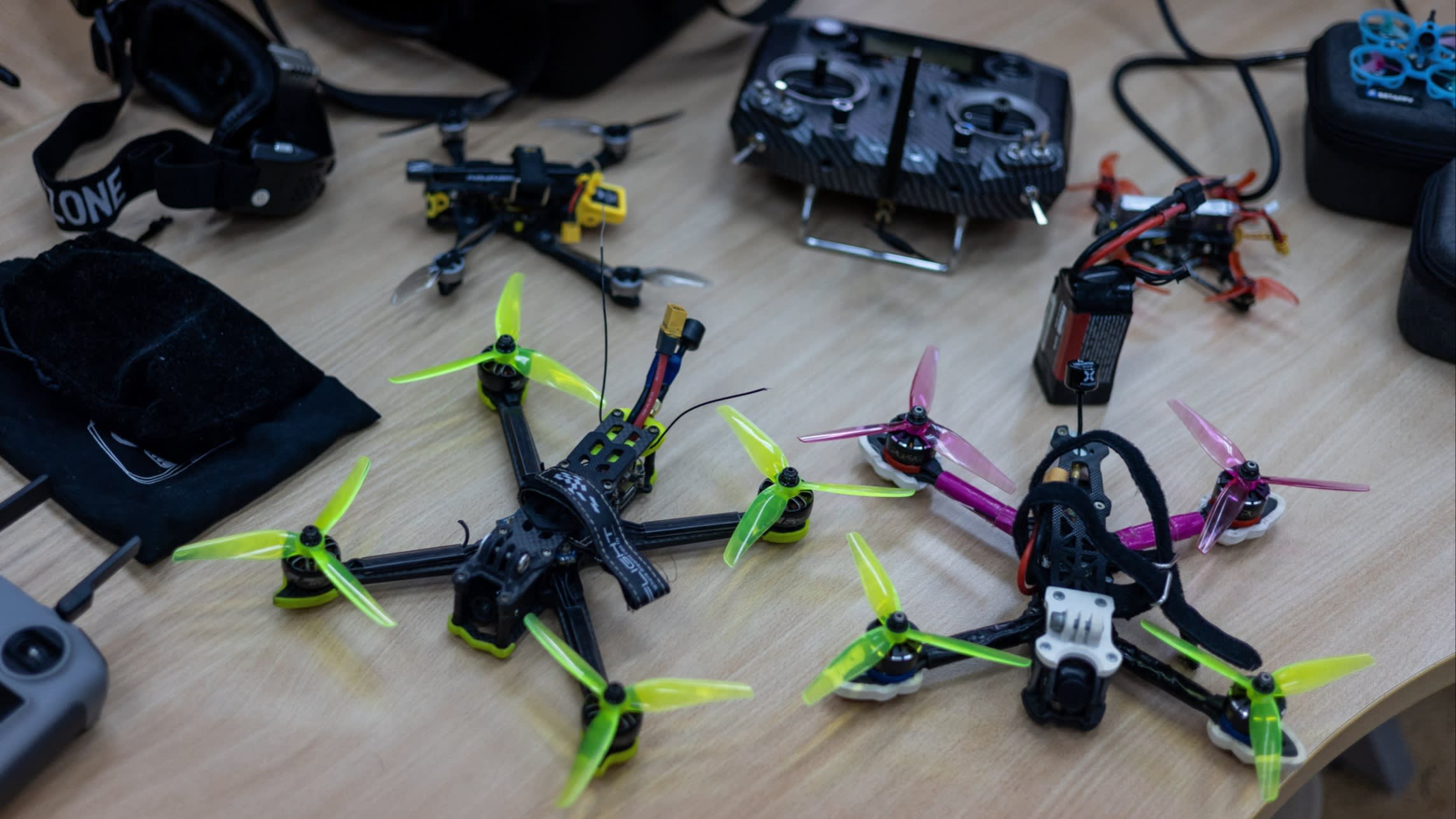
A drone was downed in Eatonia close to a military installation, highlighting ongoing security concerns in the region. The incident raises questions about drone surveillance and potential threats to military operations.


Key facts
- A drone was downed near a military base in Estonia.
- The incident raises security concerns regarding unauthorized drone activity.
- Military authorities may enhance counter-drone measures in response.
2 minute read
The downing of a drone near a military base in Estonia underscores how low altitude incursions have become a persistent test of European base security. Unclear attribution complicates proportional response and legal pathways, yet the strategic message is familiar, fixed sites are being surveilled, mapped and probed by low cost systems that shorten decision timelines and exploit seams between civil and military airspace governance.
For commanders, the priority is a layered counter UAS posture that fuses radar, radio frequency sensing and electro optical cues with rapid electronic countermeasures and low collateral kinetic options. Many installations still rely on mixed vendor kits, uneven rules of engagement and manual workflows. Standardised authorities, common operating pictures and continuous training will typically yield more resilience than any single jammer or interceptor.
Policy needs to catch up. Remote ID enforcement, geofencing around critical infrastructure, expedited takedown authorities and cross border data sharing can reduce the burden on base commanders while improving legal defensibility. Sustainment is decisive. Jammers, effectors and batteries degrade quickly, and operators require recertification as threat tactics evolve. Budget lines should prioritise lifecycle support and software updates over boutique prototypes.
For NATO, counter UAS belongs inside integrated air and missile defence and ground based air defence, not on the periphery. Interoperable data standards, deconfliction of friendly emissions, federated threat libraries and pooled procurement can scale coverage and cut costs. Exercises should stress multi vector swarms, GPS denial and decoys to harden command and control.
Europe’s defence will increasingly be defined by who adapts fastest to contested low altitude airspace.
You might also like...
 Mr. T (Curator)
 Mr. T (Curator)
 Mr. T (Curator)