Drones enhance surveillance but do not guarantee deterrence
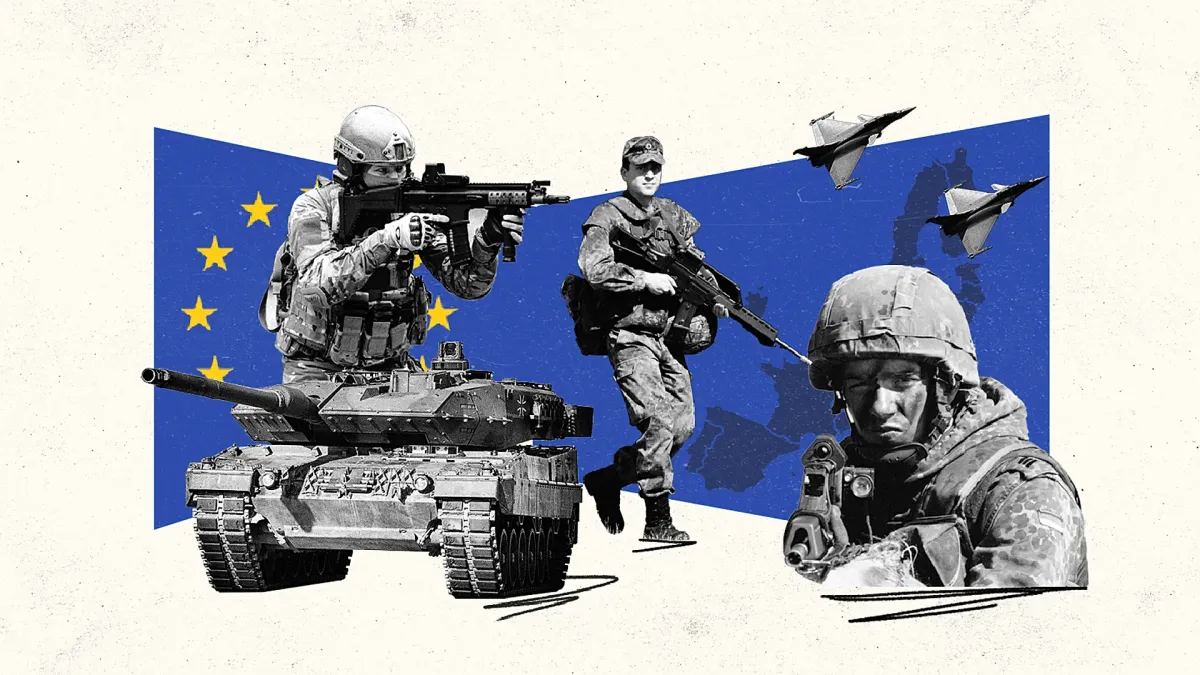
Europe needs a comprehensive strategy that goes beyond the capabilities of unmanned aerial systems (UAS) to address security threats coming in from Russia.

Key facts
- Adversaries may adapt to drone capabilities, reducing their effectiveness.
- A comprehensive strategy is needed, integrating military and diplomatic efforts.
2 minute read
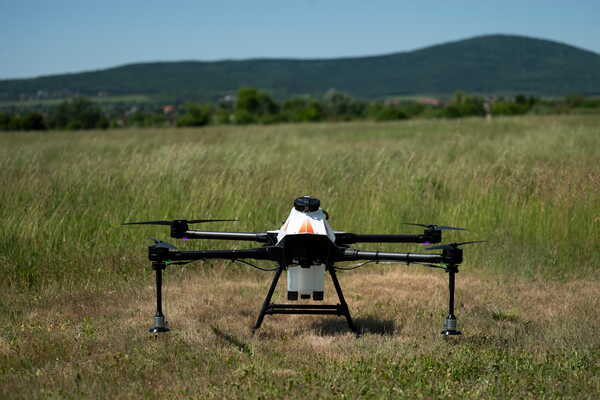
Drones have altered the battlespace by compressing decision cycles and lowering the price of precision, but they do not create deterrence on their own. Credible deterrence still rests on the ability to deny objectives and to impose costs, paired with political resolve. Opponents are learning quickly, dispersing forces, hardening logistics, exploiting electronic warfare and deploying cheap attritable swarms that blunt high end platforms.
For Europe and NATO, the centre of gravity is an integrated deterrence by denial posture. That means layered ground based air defence and counter UAS at scale, deep magazines and resilient command and control. Priorities include mass produced short range interceptors, jammers and directed energy, passive detection and decoys, and fused sensor networks that cut the cost exchange ratio in favour of the defender.
Deterrence by punishment must also be credible. Allies need pre planned long range strike options, cyber and space effects, and economic tools that can be activated rapidly under agreed thresholds. Clear signalling, graduated response ladders and exercised authorities reduce escalation risks while increasing adversary uncertainty. Hardened infrastructure, dispersed basing and civil preparedness ensure that shocks do not paralyse decision making.
Industrial depth will decide staying power. The EU should expand drone and counter drone production through joint procurement, open architectures and secure supply chains, and close gaps in explosives, microelectronics and propulsion. Concepts and training must mainstream manned unmanned teaming, deception and electronic manoeuvre, informed by lessons from Ukraine. Drones are enablers, not strategy. Europe’s edge will come from scale, integration and the will to act. War is changing fast, and Europe’s deterrence will evolve fastest where drones, industry and policy move in lockstep.
You might also find interesting...
 Mr. T (Curator)
 Mr. T (Curator)
 Mr. T (Curator)