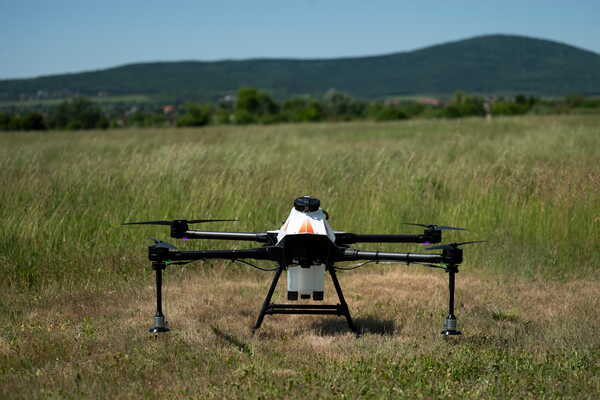
Drones Over Belgian Military Base: Third Consecutive Night
Drones have been observed over a Belgian military base for three consecutive nights, raising security concerns. Authorities are investigating the situation as potential threats to national security.

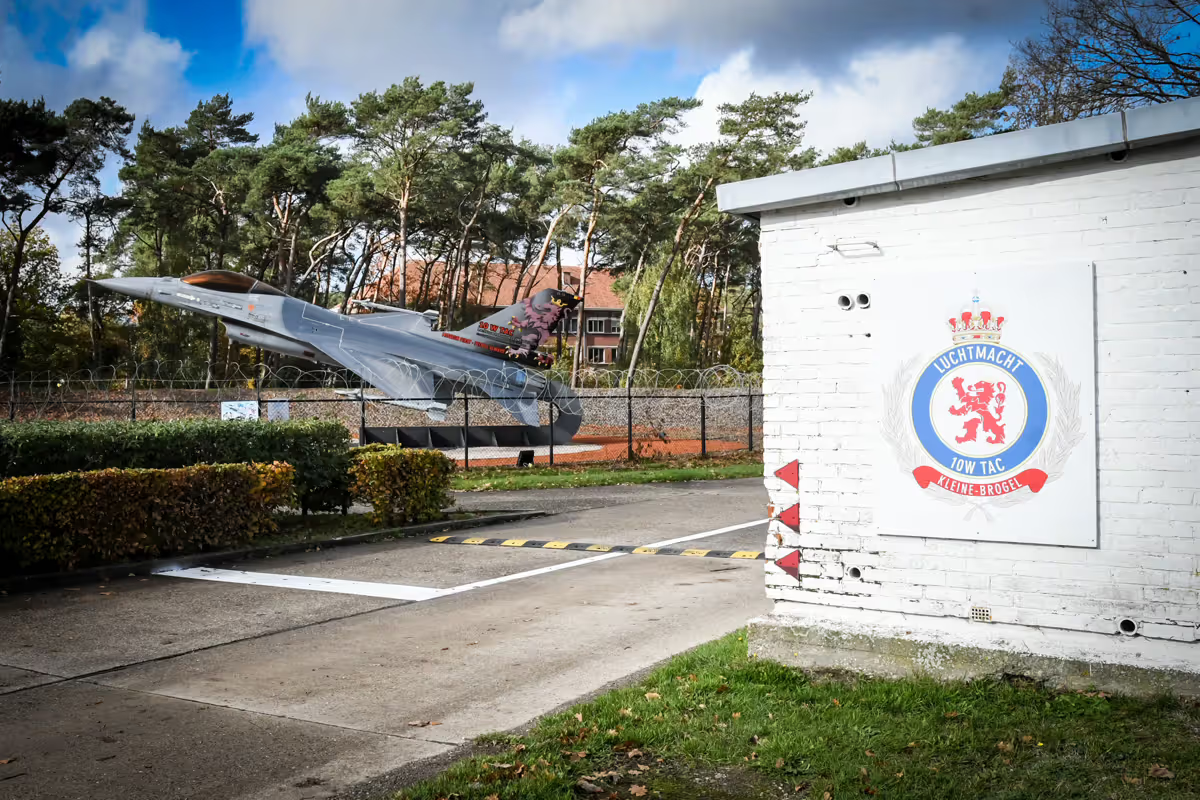
Key facts
- Drones have been spotted over a Belgian military base for three nights in a row.
- Authorities are investigating the origins and intentions behind the drone activity.
- The incident underscores the rising security concerns related to drone usage near military sites.
2 minute read
For a third straight night, unauthorized drones over a Belgian military base point to a probing campaign that seeks to map defenses, test response times and expose procedural gaps. For Belgium and NATO, this fits a broader pattern of low-cost aerial intrusions that blur the line between crime, espionage and hybrid pressure, where attribution is difficult and escalation risks must be managed.
Base security planning should assume small systems arrive with little warning, operate below traditional radar coverage and exploit night, clutter and legal ambiguity. Policy needs to catch up. Belgium should activate joint police–military playbooks, define clear authority to detect, track and neutralize drones in peacetime, and coordinate with civil aviation on safety corridors and notifications.
At EU level, align counter-drone measures with EASA U-space and Remote ID, expand geofencing around sensitive sites and enable lawful use of electronic countermeasures where public safety is protected. Europol and intelligence fusion cells should compare signatures and timings with recent sightings in neighboring states to establish patterns, operators and supply chains.
NATO can fold these incidents into base protection readiness metrics, share tactics and forensics, and link local sensors to the Integrated Air and Missile Defence picture. Capability investment is the near-term lever. Bases require layered detection that fuses radio-frequency sensing, passive and short-range 3D radar, electro-optical and acoustic cues into a single operating picture, backed by trained crews.
Defeat options should include protocol-aware jamming, precision directed energy where available, interceptor drones and evidence-preserving capture, all under explicit rules of engagement and legal review. Regular exercises must rehearse multi-axis incursions, spoofing and GNSS interference, with rapid airspace notifications and recovery.
EU and NATO innovation tools, including DIANA and the European Defence Fund, can accelerate fielding. Europe is moving toward a persistent counter-drone posture as warfare becomes cheaper, smaller and more autonomous.
You might also like to read…
 Mr. T (Curator)
 Mr. T (Curator)
 Mr. T (Curator)