Estonian Defense Sector Projects 347% Growth Amid Drone Warfare Surge
Source content insufficient for automated analysis; the excerpt only cites Estonia’s projected $842M 2025 defense sales and 347% growth since 2021.


Key Intelligence
- Estonian defense revenue is projected to reach $842 million in 2025, a 347% increase since 2021.
- Threod Systems secured a $6.6 million UK contract for drone launchers following successful ASGARD program trials.
- Tallinn has increased core military spending to 5% of GDP, significantly exceeding the NATO 2% mandate.
- Milrem Robotics is delivering over 150 THeMIS UGVs to Ukraine, marking a shift toward autonomous frontline logistics.
- Estonia is a lead contributor to the 'European Drone Wall' and 'Baltic Defense Line' regional security frameworks.
3 minute read
Estonia is rapidly pivoting from a security consumer to a high-tech defense exporter, leveraging its proximity to the Russian frontier and direct combat feedback from Ukraine to accelerate procurement and innovation cycles. The Estonian Defense and Aerospace Industry Association projects that the nation’s 138 defense firms will generate $518 million in export turnover by 2025, a 43 percent year-over-year increase. This growth reflects a broader European trend toward localized, agile defense production, but Estonia’s extreme specialization in attritable systems—specifically drone launchers, AI-powered surveillance, and unmanned ground vehicles (UGVs)—distinguishes it from the slower-moving aerospace giants of Western Europe.
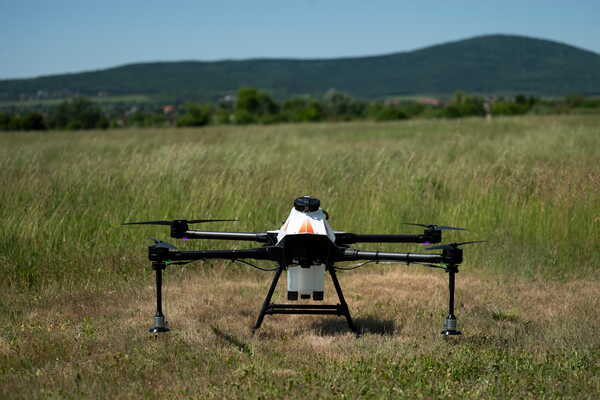
For European defense officials, the Estonian model provides a blueprint for the 'European Drone Wall' and the 'Eastern Flank Watch' initiatives. Companies like Threod Systems, which recently secured a $6.6 million contract with the United Kingdom for its Cata drone launchers, demonstrate the ability of small-to-medium enterprises (SMEs) to meet the urgent requirements of NATO allies. Threod’s scaling—increasing its workforce fourfold and reporting a 1,100 percent sales rise over five years—highlights the shift toward tactical UAS platforms capable of deep-strike operations, as evidenced by the use of Estonian-launched drones in strikes against Russian strategic assets.
Furthermore, the integration of autonomous systems into frontline logistics is being pioneered by Milrem Robotics, now majority-owned by the UAE’s EDGE Group. The deployment of over 150 THeMIS UGVs to Ukraine underscores the transition of unmanned platforms from experimental novelties to essential components of casualty evacuation and direct-fire support. As Tallinn allocates 5 percent of its GDP to core military capabilities, exceeding NATO benchmarks, the Estonian defense ecosystem is increasingly acting as a laboratory for the future of European continental defense, emphasizing mass-manufacturability and rapid iteration over traditional, long-lead procurement programs.
Source: Breaking Defense