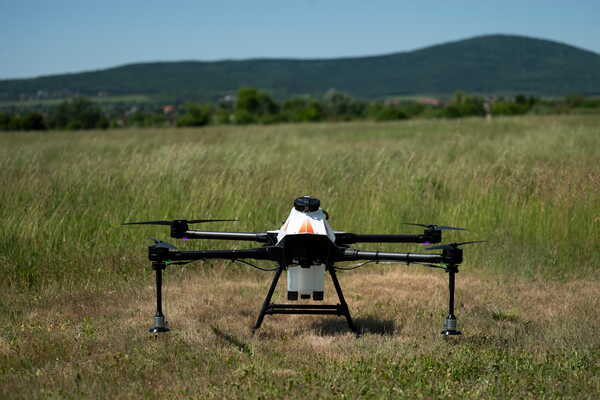
Estonia's Ambitious Drone Training Initiative
Estonia is set to establish a comprehensive drone training program aimed at enhancing its defense capabilities. This initiative will focus on creating a skilled workforce capable of operating and maintaining advanced unmanned aerial systems (UAS).


Key facts
- Estonia plans to train a new generation of drone operators.
- The initiative aims to enhance both military and civilian drone capabilities.
- Training will cover tactical operations, data analysis, and maintenance.
2 minute read
Estonia’s new drone training push signals a shift from experimental deployments to a systematic UAS capability embedded across the force and the home front. By building operator, analyst and maintainer pipelines together, Tallinn is aiming for resilience at scale, not boutique fleets. The curriculum draws directly from lessons in Ukraine, where low cost systems, rapid iteration and dispersed teams have changed tactics, logistics and decision making at the tactical edge.
For NATO, the program can strengthen Baltic interoperability if Estonia aligns training standards, data formats and counter electronic warfare procedures with allies. Common tactics, datalinks and maintenance practices would let small nations pool mass and sustainment. Estonia can serve as a test bed for resilient communications, spectrum discipline and rapid repair concepts that improve endurance under persistent jamming.
The civil component matters. Cross trained operators in emergency services, border surveillance and infrastructure monitoring expand the talent pool and keep skills current in peacetime. This creates a domestic market for sensors, software and repair hubs, anchoring supply chains that Europe still lacks. The approach, however, demands strong cybersecurity, clear export controls and airspace rules that balance innovation with safety near borders and critical infrastructure.
Success depends on throughput and doctrine. Estonia needs modular courses for reservists, certification tied to mission readiness, and data exploitation training integrated with targeting and intelligence. Early work with Latvia and Lithuania on ranges, airspace deconfliction and counter UAS would compound gains. Linking to EU and NATO training efforts could speed standardization beyond the Baltics.
Europe’s defence is moving toward distributed, software driven warfare where trained operators and rapid sustainment decide outcomes.