EU Nears Agreement on Dual-Use Research Funding
The European Parliament and Council are on the brink of a political agreement regarding funding for dual-use research, aligning civil and military technologies to strengthen Europe's defence.


Key facts
- Political agreement on dual-use research funding expected soon.
- Focus on technologies applicable to both civilian and military sectors.
- Part of EU's strategy to enhance defense capabilities amid rising tensions.
2 minute read
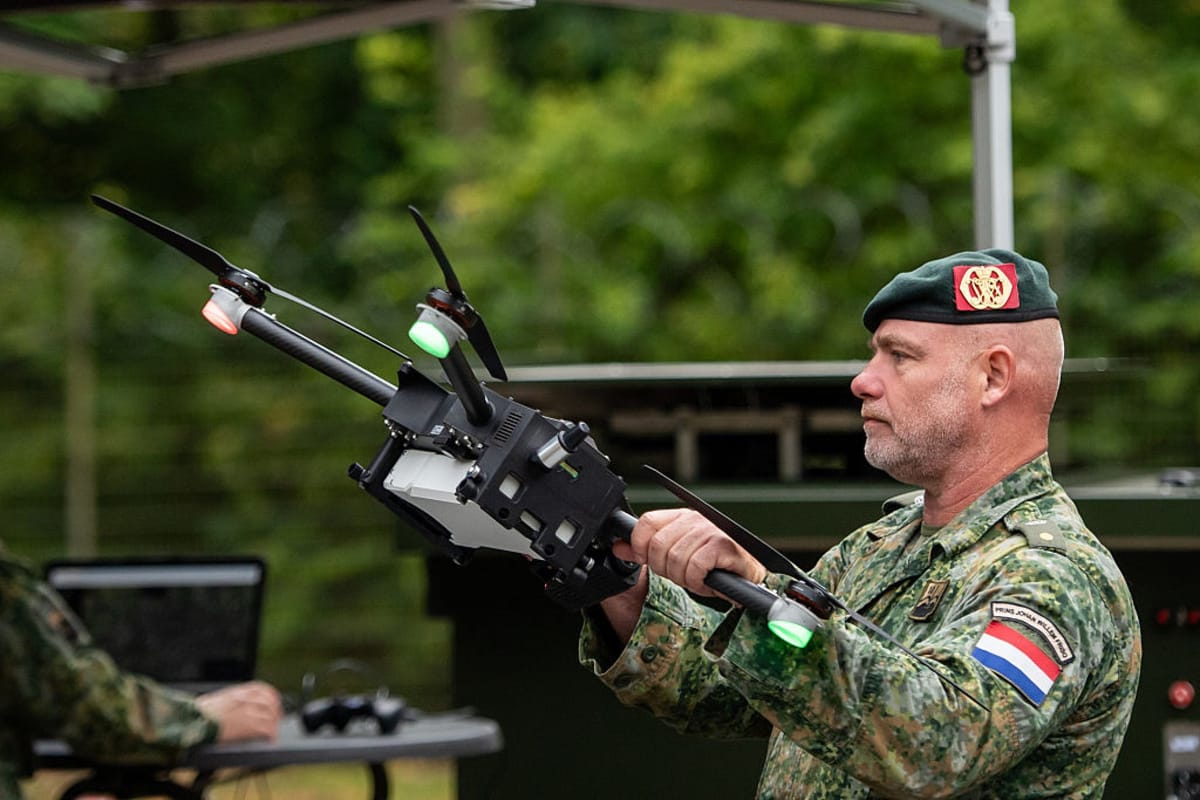
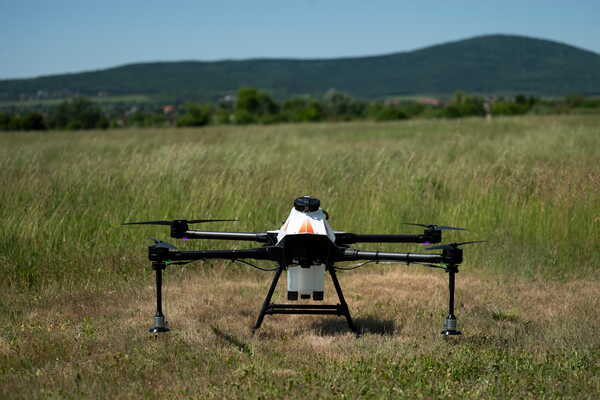
The imminent political deal to fund dual-use research would mark a pragmatic pivot in EU innovation policy, aligning civil R&D with capability gaps that national budgets and the European Defence Fund cannot fill alone. By legitimising projects that straddle civilian and military use, Brussels can speed translation of AI, space, quantum, cyber, advanced materials and robotics into deployable capabilities, crucial for air and missile defence, resilient ISR, secure comms and counter-drone systems. The strategic benefit is scale, common standards and interoperability, outcomes that matter for NATO force integration and for reducing dependence on non-European supply chains.
Governance will be decisive. Clear eligibility rules, export control compliance and IP protections can reassure universities and SMEs while preventing covert subsidies for purely military systems. Guardrails on security of information, third-country participation and ethical review will determine whether top researchers engage or stay away. To succeed, the framework must complement, not duplicate, the EDF, and connect with NATO innovation pipelines such as DIANA and the Innovation Fund to avoid fractured technology maturation.
Financing instruments should encourage dual-use adoption by defence primes and critical mid-caps, blending grants with procurement pull, testbeds and regulatory sandboxes. EIB and InvestEU involvement, within their current mandates, could crowd in private capital for sensors, semiconductors, energy storage and autonomy that have battlefield and industrial relevance. Member states will also need to align export policies and demand signals to convert prototypes into interoperable programs of record.
If concluded swiftly, the agreement can sharpen Europe’s deterrence in the 2025 to 2030 window by accelerating fieldable tech while preserving academic openness where appropriate. Delivery will be judged on speed, cross-border collaboration and measurable impact on readiness, logistics and munitions flows. Europe’s defence is entering a phase where dual-use innovation sets the pace of adaptation.
You might also like to read…
 Mr. T (Curator)
 Mr. T (Curator)
 Mr. T (Curator)