EU Plans Critical Mineral Strategy by End of 2025 Amid Export Controls
In response to China's recent export restrictions on rare earths, the EU is set to propose a comprehensive strategy for critical minerals by the end of 2025. This initiative aims to bolster the EU's supply chain resilience and reduce dependency on non-European sources, particularly in the defense an


Key facts
- EU to propose a critical mineral strategy by the end of 2025.
- China's export controls on rare earths have triggered this initiative.
- The plan aims to enhance EU's self-sufficiency in critical mineral supply.
2 minute read
Europe is shifting from headline goals to execution on critical minerals, reacting to tighter Chinese controls on rare earths. A concrete plan by end 2025 must turn the Critical Raw Materials Act into operational measures, with fast permitting for strategic projects, predictable state aid, and shared stockpiles for defence relevant inputs such as rare earth magnets, tungsten and antimony. The immediate task is to reduce single supplier exposure, secure long term offtakes, and build midstream capacity in refining, separation and magnet manufacturing that Europe currently lacks. De risking, not decoupling, will guide choices.
Diversification will rest on deeper partnerships with allied producers in North America, Australia, Africa and Latin America, paired with recycling at scale and urban mining from wind turbines, batteries and electronics. Financing will be decisive. Expect blended instruments through the EIB and export credit agencies, underwritten by defence and energy procurement that guarantees demand. Brussels will need common criteria for support to avoid subsidy fragmentation, and streamlined, time bound approvals to deliver projects without weakening environmental and social safeguards.
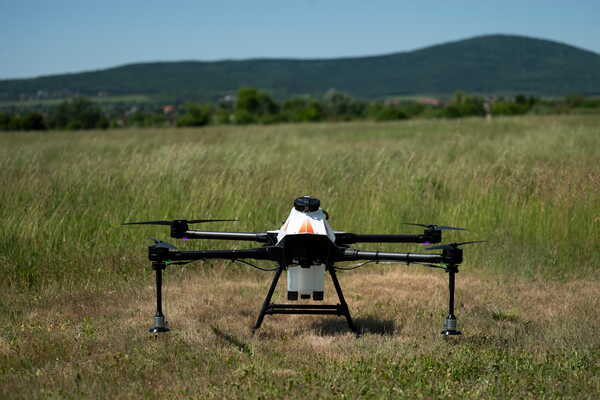
For NATO and European defence planners, assured access to materials is a readiness issue. Drones, precision munitions, sensors and electronic warfare systems depend on components constrained by rare earths and specialty metals. A credible EU plan should include coordinated stockpiles with allies, stress tests of critical supply chains, and a clear cap on dependency from any single country, aligned with partner export control regimes. Success will be measured by whether European primes can source at home or from trusted partners at scale and cost, even under coercion. Europe’s defence edge will increasingly hinge on secure materials and resilient allied supply lines.
You might also like...
 Mr. T (Curator)
 Mr. T (Curator)
 Mr. T (Curator)