EU Plans Soldier Training in Post-Ceasefire Ukraine, Says General
The EU's top military official, General Seán Clancy, emphasizes the necessity of preparing for potential military training in Ukraine following a ceasefire. This initiative aims to enhance the capabilities of Ukrainian forces amidst ongoing geopolitical tensions.


Key facts
- EU plans military training for Ukrainian soldiers post-ceasefire.
- General Seán Clancy emphasizes the importance of preparedness.
- Initiative aims to enhance Ukraine's defense capabilities.
2 minute read
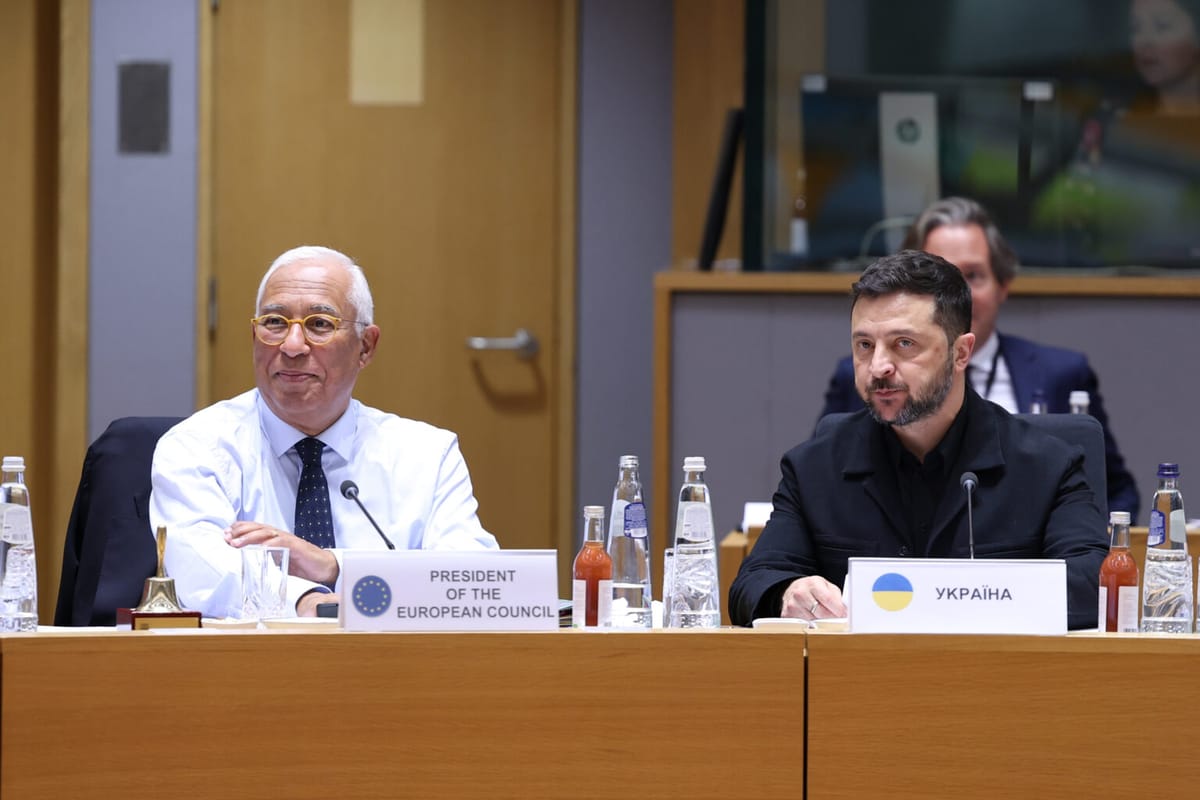
The EU is preparing to shift its Ukraine training mission onto Ukrainian soil once a ceasefire holds, a move that would shorten training cycles, align instruction with battlefield realities and signal a long-term European commitment to Kyiv’s defence. General Seán Clancy, chair of the EU Military Committee, has described in-country training as a logical evolution of the current mission, bringing instruction closer to Ukrainian units and adapting it to lessons from the front, including drones, electronic warfare and counter-mobility.
Political backing for the plan is growing. EU foreign policy chief Kaja Kallas and several member states have indicated support for extending the EU Military Assistance Mission’s mandate to operate inside Ukraine once conditions permit. The mission has already trained tens of thousands of Ukrainian troops across Europe, and moving activity closer to the battlefield would improve relevance and reduce logistical delays. The shift would also demonstrate the EU’s intent to remain a security actor beyond its borders.
Any post-ceasefire operation would require an EU-Ukraine status of forces agreement, clear rules of engagement and strict limits on scope, likely focusing on basic and collective training, NCO development, demining, sustainment and command-and-control. Force protection, air defence and medical evacuation would probably rely on a coalition of willing states. Training sites would need to be dispersed in western Ukraine, harmonised with NATO standards and coordinated with bilateral programmes to avoid duplication while minimising intelligence and air threat exposure.
The plan fits a broader European debate on the region’s post-war security framework, including ideas for a multinational reassurance presence once fighting ends. Although legally and politically complex, it reflects the EU’s growing readiness to deploy under its Common Security and Defence Policy in higher-risk environments. If implemented, in-country training would tighten NATO-EU coordination, strengthen Ukraine’s capacity to sustain operations and mark a further step toward a more forward, integrated and adaptive European defence posture.
You might also enjoy...
 Mr. T (Curator)
 Mr. T (Curator)
 Mr. T (Curator)