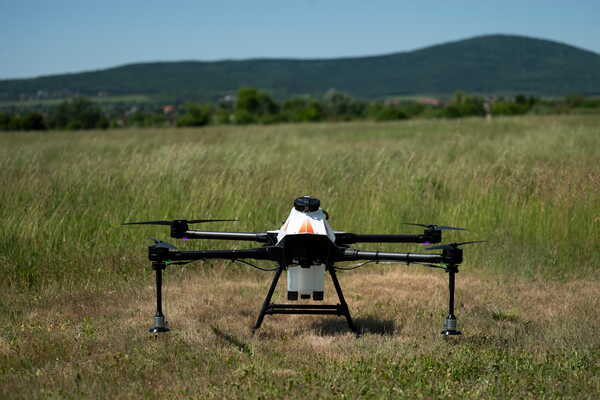
Europe Must Accelerate Drone Warfare Preparedness, Says Kubilius
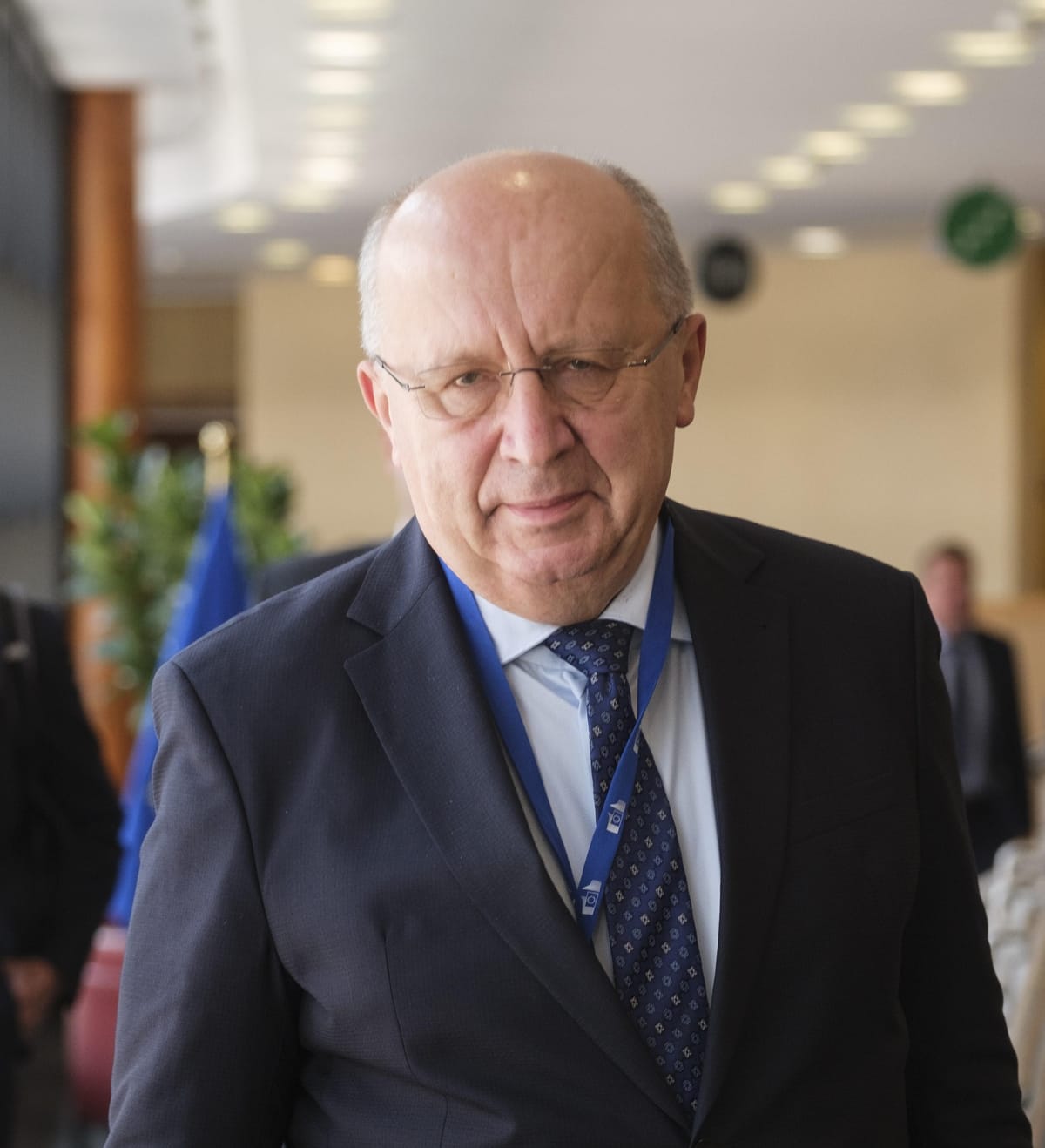
At the Defending Baltics 2025 conference, EU Defence Commissioner Andrius Kubilius emphasized the urgent need for Europe to enhance its drone and counter-drone capabilities in light of escalating threats along NATO's eastern border.

Key facts
- EU Defence Commissioner warns of inadequate drone warfare readiness in Europe.
- Stresses urgency for scaling drone and counter-drone systems amid rising threats.
- Calls for unified European defense strategy to address modern aerial challenges.
5 minute read
The diplomatic politeness that usually governs European defense summits was notably absent in Lithuania this week. Instead, attendees at the Defending Baltics 2025 conference were met with a cold splash of reality regarding the continent’s ability to defend its skies.
Andrius Kubilius, the EU’s Defence Commissioner, opened the proceedings with a blunt assessment that dismantled the comfortable idea of European readiness. "Europe is not ready for the level of drone warfare Russia is preparing for," Kubilius told the assembly.
His warning marks a significant shift in tone for the European Commission. For years, the conversation has revolved around slow, deliberative capacity building. But in Vilnius, facing a room of military leaders and defense analysts just miles from the NATO border, Kubilius asked a question that seemed to hang heavy in the air: "Why has it taken Europe more than two years to understand the full scale of the drone threat?"
The urgency in Vilnius stems from a grim recognition that the "drone gap" is no longer just a procurement issue; it has become a strategic liability. Intelligence shared at the conference suggests that the Baltic region could be a preferred target if Russia decides to test NATO capabilities—a scenario some assessments place within a two-to-four-year window.
The consensus emerging from the summit is that the era of relying solely on "exquisite" platforms—expensive, manned aircraft and high-end missile systems—is over. The lesson from three years of war in Ukraine is that outcomes are now shaped by small, networked systems, electronic warfare, and cheap loitering munitions.
As the conference briefings noted, the priority for Europe must shift to "mass and integration, not pilots per se." The current deficit isn't just in hardware; it is in the "data plumbing" required to fuse sensors into a common air picture that can survive in an environment where GPS is jammed and communications are contested.
A central theme of the gathering was the need to stop viewing Ukraine merely as a recipient of aid and start treating it as the primary architect of modern drone doctrine. Kubilius emphasized that Ukraine has become an essential source of real-world knowledge, suggesting that Ukrainian units could eventually help support the defense of Lithuania and other Baltic states once peace is achieved.
But the immediate hurdle is industrial scale. While Russia has successfully pivoted to a war economy capable of churning out millions of drones annually, Europe remains stuck in peacetime production cycles. "Europe needs faster production, simpler integration, and reliable countermeasures," Kubilius noted, signaling to the defense industry that the days of long lead times for bespoke equipment are numbered.
Without the convenience of bullet points or policy briefs, the path forward laid out in Vilnius is complex and demanding. The strategy calls for a "layered defense" that stretches across the continent—a shield combining radio-frequency detection, electro-optical sensors, and mobile kinetic defenses integrated into both national and NATO networks.
This requires a massive industrial surge. The conference highlighted the need for "attritable" systems—drones and jammers cheap enough to lose in combat without breaking the budget—backed by long-term demand signals that give factories the confidence to invest in assembly lines. Furthermore, the "enablers" of war are just as critical as the weapons themselves: resilient positioning systems that don't rely on GPS, and harmonized regulations that allow military drones to move freely through peacetime airspace.
As the delegates left Vilnius, the message was clear. The debris from Russian drones falling in Poland and Romania, and the increasing GPS interference near Baltic airports, are not anomalies. They are the prelude to a new kind of warfare for which Europe, by its own Commissioner’s admission, is not yet prepared.