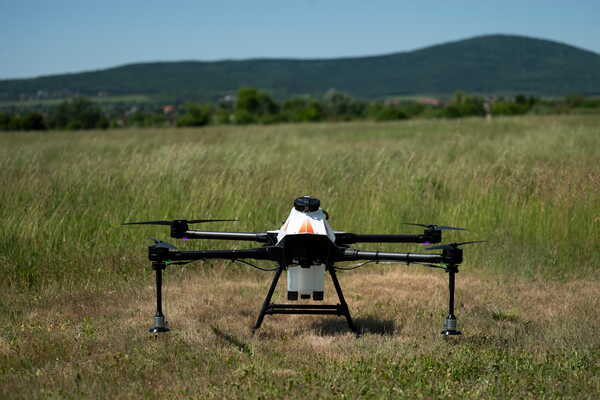
Europe Strengthens Drone Defense Amid Rising Threats
On October 15, the European Commission unveiled its Defence Readiness Roadmap 2030, emphasizing the need for enhanced defenses against emerging threats, particularly from unmanned aerial vehicles (UAVs).


Key facts
- European Commission launched Defence Readiness Roadmap 2030.
- Initiative focuses on countering threats from unmanned aerial vehicles.
- New framework aims to strengthen continental defense systems.
- Shift in defense strategy due to recent drone incursions.
2 minute read
The European Commission has unveiled a package of projects to harden Europe’s defenses against Russia and reduce reliance on the United States, with an eye to an autonomous European posture by 2030. Two near-term priorities lead the plan: a continent-wide counter-drone network and “Eastern Flank Watch” for tighter land, sea, and air surveillance. Both aim for initial capability next year and dovetail with the EU’s push for a 2027 anti-drone system.“Drones are already redefining warfare. Having drone defences is no longer optional for anyone,” said EU foreign policy chief Kaja Kallas, underlining the urgency of the initiative. She warned that even if the war in Ukraine ends, the danger from Russia will persist, making a stronger European defence posture indispensable.
Officials frame the shift as proactive deterrence. Gaps exposed by electronic warfare, GPS interference, and drone incursions, plus calls for Europe to carry more of its own weight, are driving urgency. The roadmap also outlines a European Air Shield and a Space Shield to protect missile and satellite domains, aligning with the European Defence Readiness Roadmap 2030.
Delivery now hinges on leadership, funding, and NATO integration. Some capitals want rapid EU deployment, others prefer tight alignment with Alliance structures. Financing options are widening as EU institutions warm to defence-adjacent projects, including the investment bank’s evolving stance on military production noted in our coverage of the EIB and defence investment.
If member states follow through, the package could mark a turning point: shared European assets, integrated across air, space, and digital layers, built to defend not only Ukraine’s neighborhood but Europe itself.
you might also like...
 Mr. T (Curator)
 Mr. T (Curator)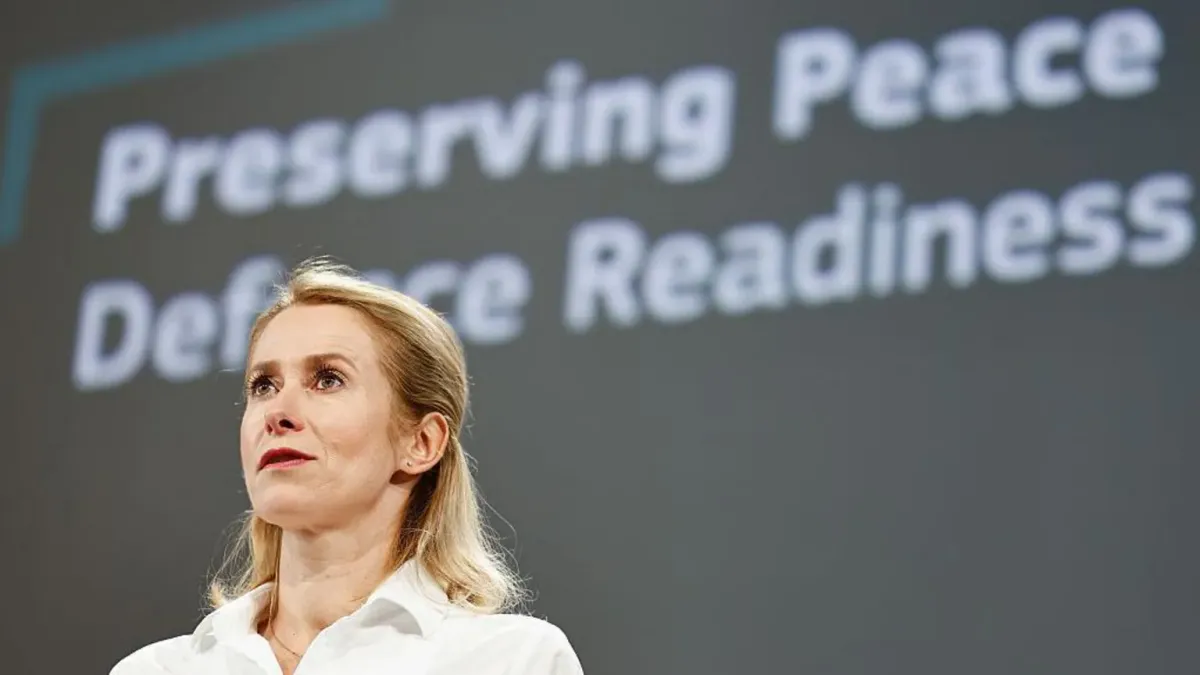
 Mr. T (Curator)