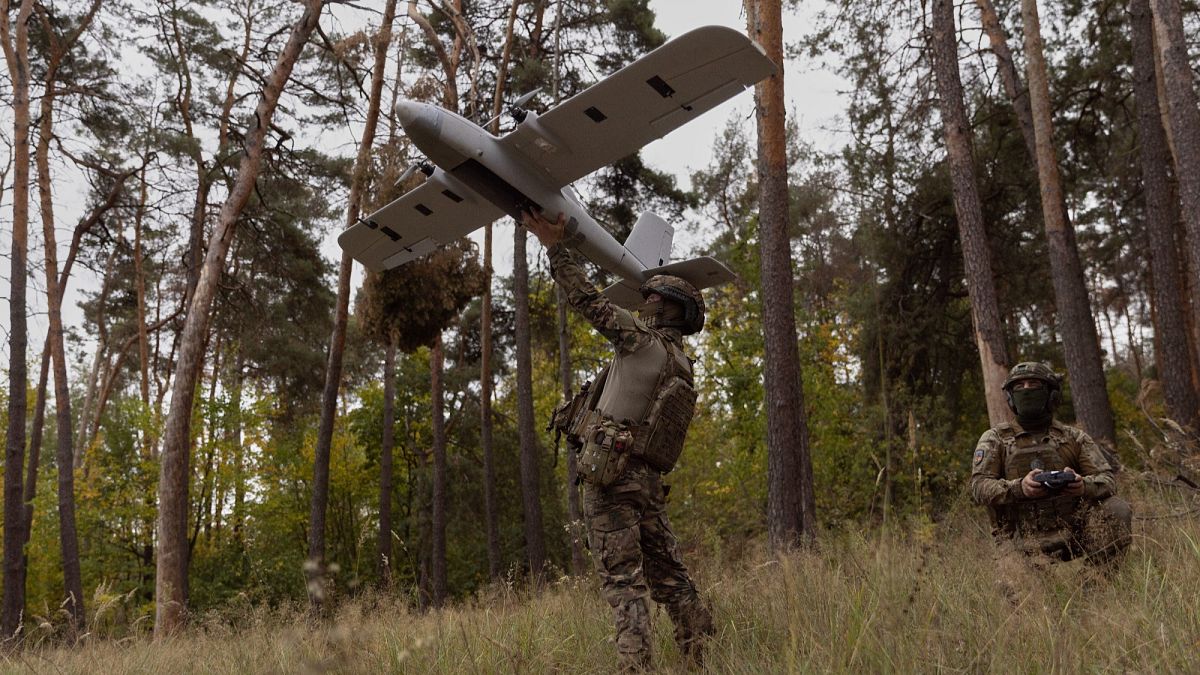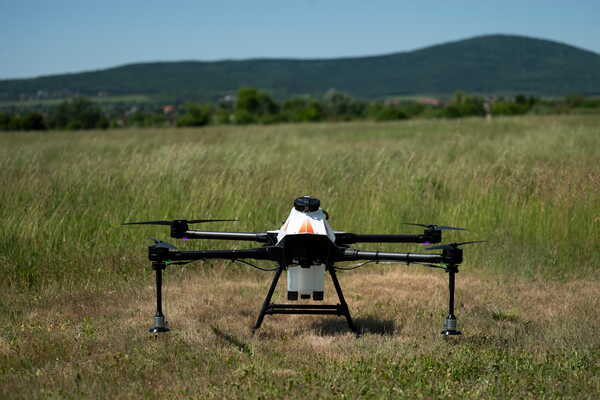
European Council Accelerates Defense Readiness Roadmap 2030
The European Council has committed to expediting its defense readiness roadmap for 2030, emphasizing joint procurement for defense acquisitions. The initiative aims for at least 40% of EU defense acquisitions to be conducted collaboratively by the end of 2027.

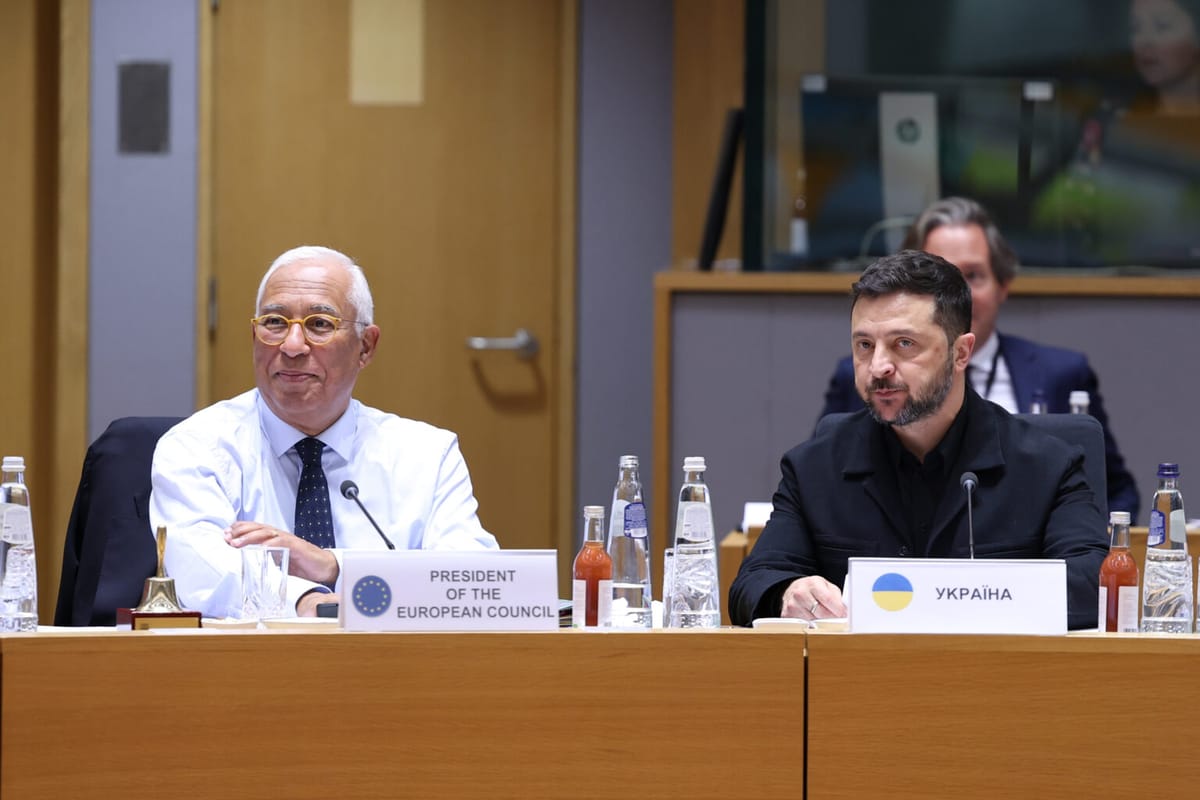
Key facts
- European Council aims for 40% joint defense procurement by 2027.
- Initiative responds to increasing security threats in Europe.
- Focus on enhancing military interoperability among EU member states.
2 minute read
The European Council has thrown its weight behind an accelerated roadmap (doc) to turn a political pledge into a concrete buying plan for Europe’s defence. The centerpiece is a 40 percent joint procurement target by the end of 2027, meant to pool demand, cut duplication, and hardwire interoperability across fleets, munitions, and command systems. The aim is simple, buy together to gain leverage on price and timelines, and channel orders into European production that can scale.
Delivery depends on turning targets into enforceable rules. Common requirements, standardised certification, and shared sustainment must come first so that equipment can be fielded quickly and kept ready. Framework contracts, multi-year budgets, and pre-negotiated options would shorten lead times for ammunition, air defence, ISR, and the logistics and maintenance that keep units operational. Alignment with the NATO Defence Planning Process is essential, EU backed projects need to produce capabilities NATO can field without bespoke fixes.
Politics remains the hardest part. National industrial preferences, export controls, and workforce bottlenecks can slow joint buys. The Council will need clear governance, transparent milestones, and incentives that favour collaborative programmes over fragmented domestic orders. Industry will respond if demand is predictable. Larger groups can invest in lines, tooling, and skilled labour, while SMEs will need financing and long term contracts to scale. Supply chains for energetics, electronics, and critical materials are still a weak seam that Europe must hedge.
Success will be judged by outcomes, not communiqués. Stockpiles refilled to credible levels. Common training and shared sustainment across units. Forces that can move, shoot, and communicate together at short notice without costly workarounds. If the roadmap is executed as intended, it will strengthen the European pillar in NATO, lift readiness, and build resilience for a protracted security environment.
Europe is shifting from scattered purchases to integrated capability delivery. The test is whether today’s targets become contracts, and whether contracts quickly become kit in the field.
You might also like....
 Mr. T (Curator)
 Mr. T (Curator)
 Mr. T (Curator)