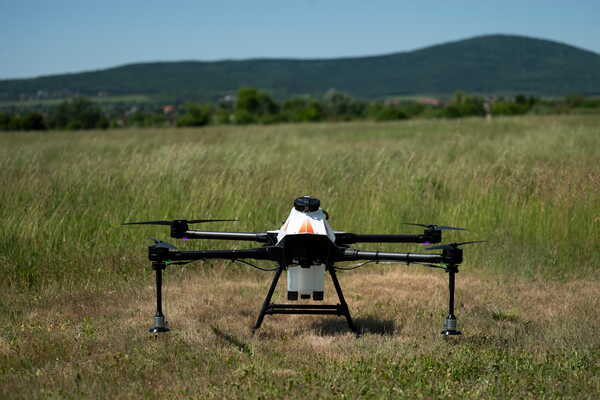
Exploring the Viability of Drone-Based Resupply in Military Logistics
The integration of drone technology into military logistics is gaining attention as a potential game changer. This article examines the feasibility of using drones for resupply missions, highlighting their benefits and challenges in tactical, operational, and strategic contexts.


Key facts
- Drones offer rapid delivery of supplies to remote or dangerous locations.
- Challenges include payload limitations and regulatory hurdles.
- Military logistics could be significantly improved through drone integration.
- Technological advancements are making drone resupply more feasible.
- Operational efficiency and safety are key benefits of using drones.
2 minute read
European militaries see drone resupply as a way to shorten the last tactical mile, reduce exposure of crews and bridge gaps when roads are interdicted or airspace is contested. Small and medium UAVs can shuttle blood, batteries and critical spares faster than convoys and cheaper than helicopters, accepting higher attrition in return for tempo. The trade off is real. Payloads remain limited, performance drops in adverse weather and electronic warfare can disrupt navigation and links. The concept works best as a layered system, where drones complement rather than replace manned lift and ground logistics, and where redundancy and preplanned routes absorb losses without halting operations.
For NATO, the centre of gravity is not a single platform but common standards and policy. Cross border missions will need harmonised procedures for airworthiness, detect and avoid, spectrum use and encrypted command links that can survive jamming. Civil frameworks such as U space and risk based SORA can inform military practice, but forces still require exemptions, sovereign frequencies and rapid authorisation in crisis. Interoperability is central. Drone tasking and tracking should feed the same logistics picture as convoys and aircraft, integrating with LOGFAS and Federated Mission Networking so commanders see stock levels, ETA and route risks in near real time.
Procurement should build a portfolio, heavy lift VTOL for forward refuelling points, fixed wing for range and attritable micro systems for urgent point delivery. Decision makers should judge offers by cost per kilogram delivered, resilience under jamming and ease of field maintenance, not glossy specifications. That implies investment in batteries, spares and secure supply chains in Europe, along with training for operators, maintainers and EW specialists. Counter UAS will shape tactics, favouring low signatures, off axis routes, decoys and swarms for assurance. If Europe aligns standards and scales production, drone resupply can harden NATO logistics for high intensity war. The next wave will fuse autonomy, hardened links and industrial scale to reshape Europe’s sustainment model.