FIREPOWER: All eyes on Hungary’s SAFE plans, plus drones, Greenland, Russia defences
Hungary’s SAFE plans are drawing scrutiny from EU partners over procurement transparency and interoperability, while Commission drone moves, Greenland geopolitics and Russian air-defence lessons shape Europe's defence debate.

Key facts
- Hungary’s SAFE plans have prompted calls for transparency about procurement choices and alignment with NATO/EU interoperability.
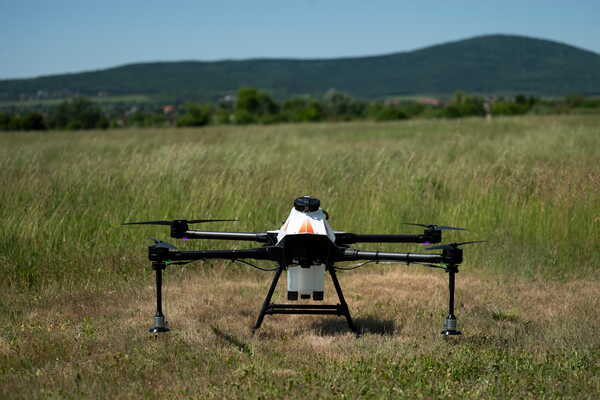
- The European Commission is increasing involvement in drone procurement and policy to bolster industrial capacity and common standards.
- Operational reports suggest Russian air-defence networks show both resilience and logistical strain, offering lessons for European air-defence planning.
2 minute read
Hungary’s “SAFE” plans are now a focal point for scrutiny across the EU and NATO. While framed domestically as sovereign decisions to modernise, the plans have raised questions among partners about procurement transparency, funding routes, and how new systems will integrate with alliance networks. The debate is emblematic of a recurring European dilemma: national acquisition choices that can complicate interoperability and collective defence planning.
The European Commission is advancing its profile on drones, combining procurement initiatives with policy and regulatory work. The intent is to accelerate capability acquisition, support European suppliers, and harmonise safety and operational standards. These measures could help smaller member states access capabilities more quickly, but they also prompt discussion about the proper balance between EU-level coordination and national defence prerogatives.
Strategic interest in Greenland continues to grow as the Arctic’s importance expands. European attention to Greenland reflects concerns about access, surveillance, and partnership with transatlantic allies amid a changing security environment in the High North.
Operationally, recent assessments of Russian air-defence systems in conflict zones show a blend of stubborn defence and logistical stress. The systems remain a complicating factor for air operations, have forced tactical adaptations by opponents, and underline the importance of integrated sensors, sustainment, and electronic-warfare resilience. For European defence planners, these lessons argue for better joint air-defence planning, investments in counter-air capabilities, and interoperability-focused procurement.
Taken together, the headlines around Hungary’s SAFE plans, EU drone policy, Greenland, and Russian air-defence performance capture the core choices facing European defence policy: how to reconcile national autonomy with collective needs, how to foster a competitive defence industrial base, and how to translate battlefield lessons into sustainable, interoperable capabilities.
Source: Euractiv