Fotokite and DroneResponders Enhance UAS Standards for Public Safety
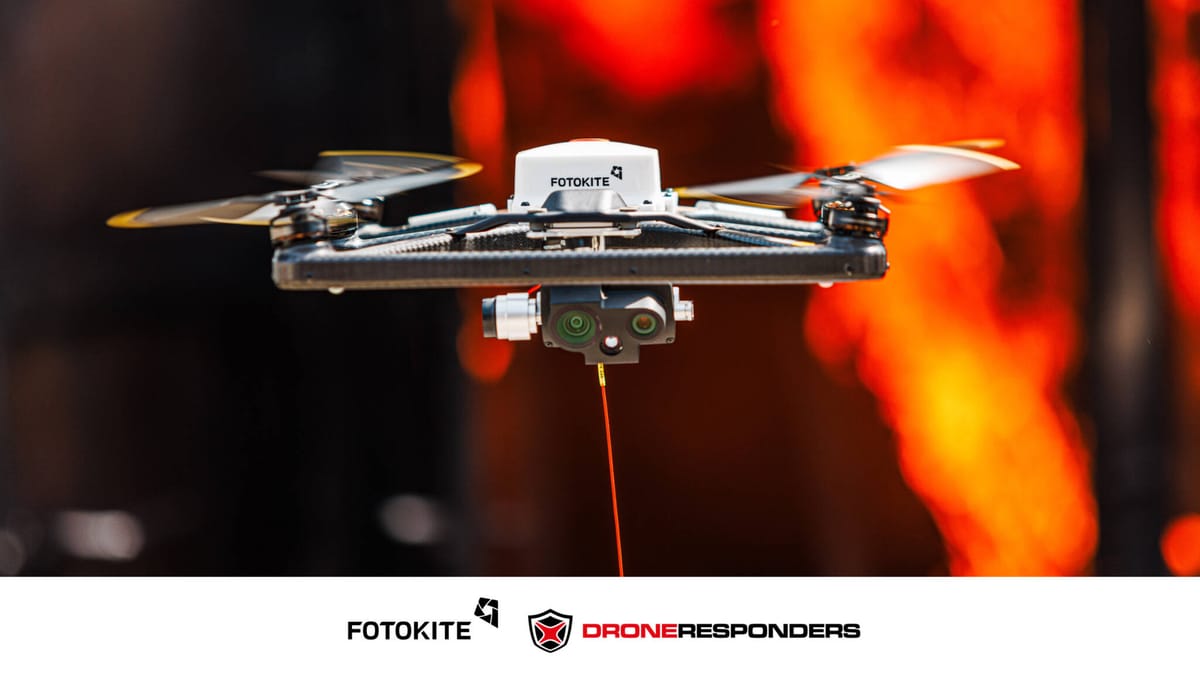
Fotokite partners with DroneResponders to improve standards and training for actively tethered UAS, aiding public safety agencies in implementing effective aerial operations amidst regulatory and resource challenges.
Key facts
- Fotokite specializes in actively tethered UAS technology.
- The partnership aims to set standards for first responders' UAS training.
- Public safety agencies face challenges in UAS adoption due to regulations and resources.
2 minute read
The tie up signals a push to codify training and operations for tethered UAS, a niche that offers persistent power, constrained flight envelopes, and simplified risk profiles compared with free flying drones. Common standards can help resource constrained agencies accelerate safe adoption, reduce procedural drift across units, and create a baseline for procurement and accountability that is defensible with regulators and insurers.
For Europe, alignment with EASA’s risk based framework and national specific category approvals is the strategic prize. Clear competency and currency requirements for tethered operations could shorten authorisation timelines, harmonise documentation, and ease cross border mutual aid. Shared terminology and competencies would support EU Civil Protection coordination and, by extension, NATO civil resilience planning, where interoperable procedures matter as much as hardware.
Operational value will hinge on integration, not airframes. Tethered UAS act as elevated, assured sensors. Standards that define how video and telemetry feed command and control, data governance and retention, cyber hygiene, and after action review will drive measurable gains in incident command. Checklists and scenario playbooks for urban fires, mass gatherings, and disaster relief can compress time to initial operational capability and simplify training pipelines.
The dual use upside is significant. Normalising tethered UAS near critical infrastructure and complex airspace builds public trust and yields practices applicable to base security, force protection, and counter UAS coordination. A common training pathway also develops an operator cadre that can interoperate with national and NATO procedures during crises. Europe is moving toward standards led, interoperable aerial sensing as a foundation for resilience and defence.
Keep Reading...
 Mr. T (Curator)
 Mr. T (Curator)
 Mr. T (Curator)