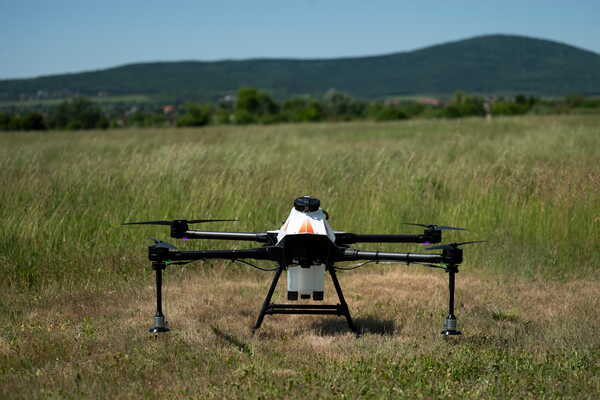
France Drops FPV Drones from A400M; Fixed‑Wing Seen as Better Option
France tested dropping FPV quadcopters from an A400M transport aircraft but analysts argue fixed-wing drones would provide greater range, endurance, and survivability.

Key facts
- France tested dropping FPV quadcopters from an A400M transport aircraft.
- Analysts say fixed‑wing UAS give superior range, endurance and survivability for air-launch roles.
- Implication: European forces should match drone design to mission—rotors for local tasks, fixed‑wing for theatre reach.
2 minute read
France has trialled deploying FPV (first-person-view) quadcopters from an A400M. The trials showed that while small rotorcraft can be air-dropped from a transport, their limited endurance, lower transit speed and vulnerability to deployment stresses reduce operational value for many airborne missions. FPV drones are cheap and highly manoeuvrable, suiting them to short-range reconnaissance, close-support tasks or swarm use. However, for theatre surveillance, persistent ISR or strike missions launched from aircraft, fixed‑wing unmanned aerial systems typically deliver better range, glide stability following release, higher cruise speeds and greater payload flexibility. The broader takeaway for European and NATO planners is doctrinal: airborne delivery can extend tactical reach, but the platform matters. Cheap quadcopters are useful in niche roles; fixed‑wing loiterers are more efficient for sustained operations. Procurement and doctrine should therefore favour a mixed approach—expendable rotors for immediate, local effects and small fixed‑wing drones where endurance and survivability matter most.
Source: Defense Express