French Alpine drones forecast avalanches to protect skiers
French Alpine drones monitor snowpack and forecast avalanches to warn ski operators and protect skiers.


Key facts
- Drones routinely map Alpine snowpack to improve avalanche forecasting and early warning.
- Remote sensing data is fed into models to target mitigation and reduce resort closures.
- Projects link local authorities, rescue services and private firms, raising airspace and data-sharing questions.
2 minute read
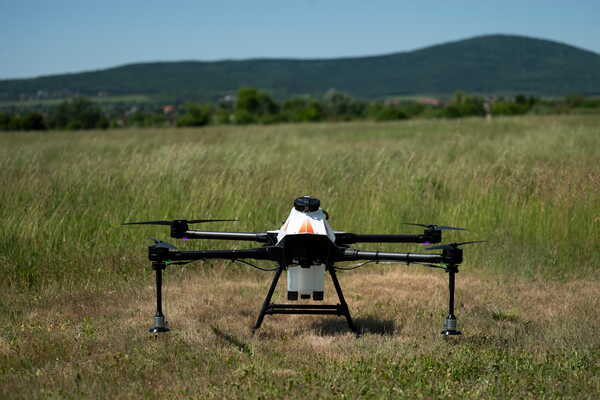
France is expanding the operational use of drones in Alpine regions to augment traditional avalanche forecasting and mountain safety. Remote platforms equipped with high-resolution imagery and environmental sensors can repeatedly map snowpack layers, slope geometry and recent weather impacts across large, hard-to-access terrain. That data is integrated with existing meteorological and snow-stability models to refine short-term forecasts and identify likely trigger zones.
Operators say drones deliver denser, more timely information than periodic manual field surveys and stationary sensors, enabling more surgical risk mitigation and fewer blanket closures of ski areas. When forecasts flag danger windows, resort managers and civil-protection teams can direct controlled mitigation — such as explosive triggering in selected zones — and plan patrols or temporary access restrictions more precisely, reducing risk to both visitors and staff.
Projects typically unite local authorities, rescue services and private drone firms. They demonstrate technical benefits while spotlighting practical issues: coordinating low-altitude flights in busy resort airspace, ensuring rapid data-processing pipelines, defining responsibility for warnings, and harmonising data-sharing with national avalanche services. From a European perspective, drone-assisted avalanche monitoring represents a scalable tool to improve mountain resilience, rescue effectiveness and the economic stability of winter tourism if paired with clear regulatory and operational frameworks.
Source: NTD News