German General Warns of Potential Russian Attack on NATO
Germany's top military commander warns that Russia's military buildup could lead to a large-scale attack on NATO. Lt. Gen. Alexander Sollfrank emphasizes the need for readiness and presents a new national defense plan to bolster deterrence efforts.


Key facts
- Russia's military buildup includes plans to increase troop strength to 1.5 million.
- Germany's 'Operation Plan Germany' prepares for rapid mobilization of NATO forces.
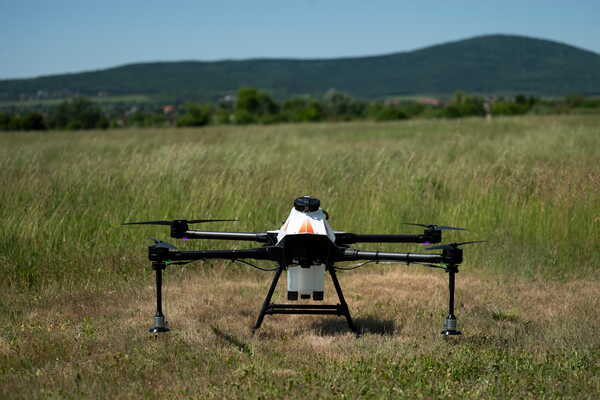
- Lt. Gen. Sollfrank warns of rising hybrid threats, including drone activities.
2 minute read
Lt. Gen. Alexander Sollfrank’s warning is less about inevitability than about timelines. Russia is rebuilding land, artillery and drone forces and aims to expand to 1.5 million troops. If that trajectory continues, NATO’s deterrence must mature faster than Moscow’s rearmament. The message for allies is to treat the next few years as a closing window for readiness, logistics and industrial surge, not as business as usual.
Operation Plan Germany positions the country as the movement backbone for NATO’s regional defense plans. Routing up to 800,000 allied troops through Germany within 180 days requires protected rail corridors, bridge certification for heavy armor, streamlined border and customs procedures, and round the clock host nation support. It also means prepositioned stocks, redundant fuel and ammunition nodes, integrated air and missile defense over transit routes, and cyber shielding for rail and command networks. Federal, Länder and industry coordination will decide whether the plan is executable at speed.
Rising hybrid activity, from drone overflights to sabotage probes, pressures Europe to harden critical infrastructure. Priorities include layered counter drone coverage around ports, rail hubs, depots and energy sites, better air surveillance cueing, and faster cross border information sharing. Protection must extend to undersea cables and pipelines, as well as to industrial facilities central to defense supply chains. Legal frameworks should enable rapid investigation, attribution and, where needed, proportionate response.
Deterrence credibility also rests on output. European states must scale munitions, air defense, electronic warfare and repair capacity, while training larger formations on sustained, contested logistics. Budget increases matter only if they convert to stocks, readiness days and deployable units. Europe is shifting from expeditionary crisis management to territorial defense, and drones plus hybrid tools will shape the next fight.