Germany orders eight MQ-9B SeaGuardians to back P-8A maritime patrols
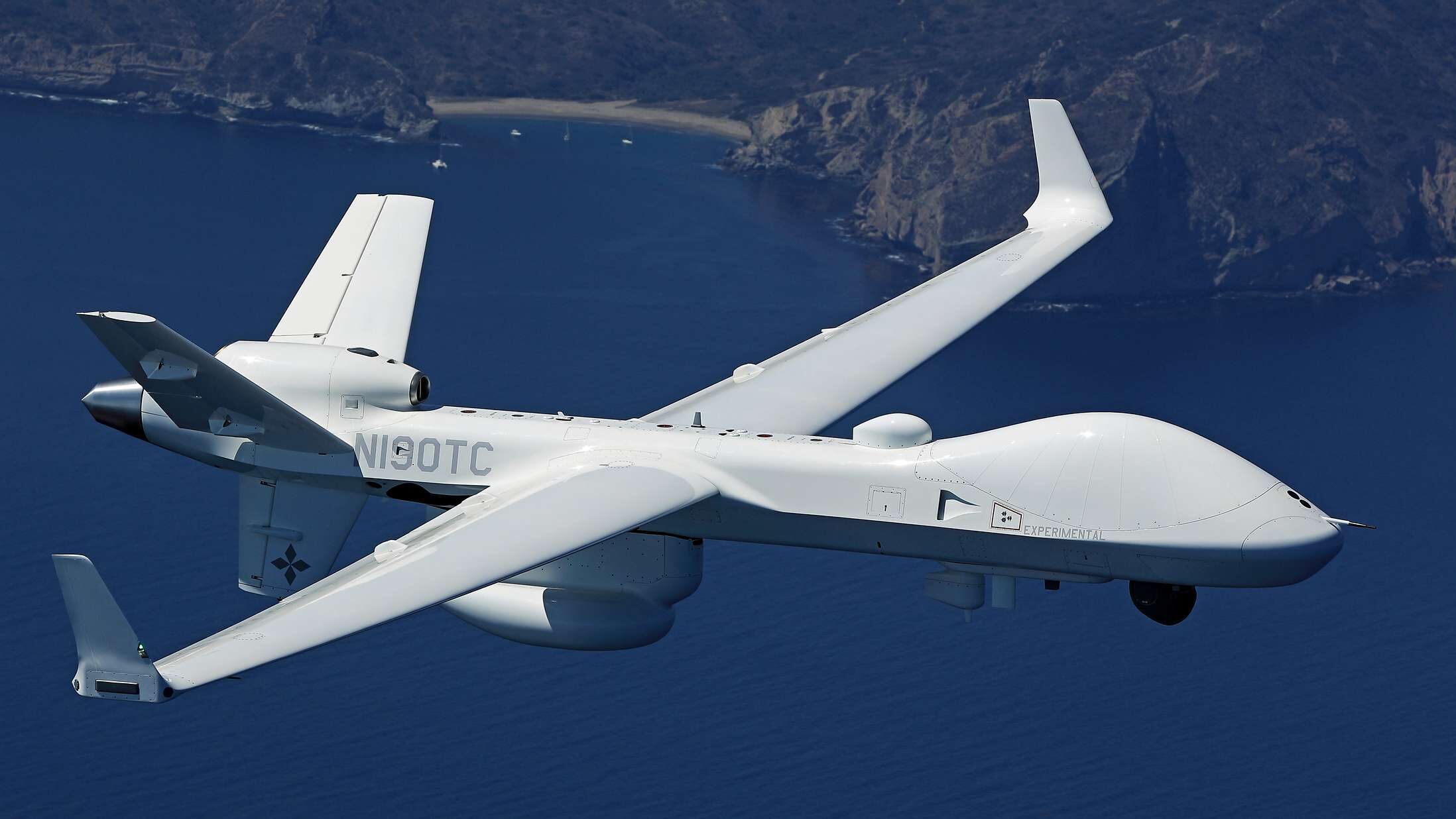
Germany has ordered eight MQ-9B SeaGuardian drones and ground control stations to augment P-8A maritime patrols and base them with Naval Air Wing 3 at Nordholz.

Key facts
- Germany ordered eight MQ-9B SeaGuardian drones plus ground control stations for maritime ISR.
- The drones will be operated by Naval Air Wing 3 “Graf Zeppelin” from Nordholz in Lower Saxony.
- MQ-9Bs will augment P-8A Poseidon missions, extending maritime surveillance persistence and reach.
2 minute read
Germany has ordered eight MQ-9B SeaGuardian remotely piloted aircraft and supporting ground control stations to operate alongside its P-8A Poseidon maritime patrol aircraft. The new UAS fleet will be assigned to Naval Air Wing 3 “Graf Zeppelin” at Nordholz, integrating unmanned maritime ISR into the naval aviation structure. The SeaGuardian’s endurance and sensor package are intended to extend the on-station time and geographic reach of manned P-8A missions, creating a layered maritime surveillance posture.
The decision aligns with a wider European trend of pairing MALE unmanned systems with crewed platforms to increase coverage, reduce risk to personnel, and improve continuous monitoring of maritime approaches. Stationing the capability within a naval wing rather than a separate UAV command suggests Germany seeks tight operational integration for tasks such as anti-submarine warfare support, surface surveillance and search-and-rescue. Ground control stations co-located at Nordholz will support tasking, data fusion and timely information sharing with P-8A crews and allied partners.
For NATO and regional security, the procurement enhances Germany’s contribution to persistent maritime domain awareness in the North Atlantic and Baltic. It also raises practical questions about sustainment, airspace integration, basing infrastructure and multinational ISR sharing—areas Berlin and partners will need to address as the SeaGuardians enter service.
Source: Breaking Defense