Germany Secures $950M Drone Deal Despite Poor Test Outcomes
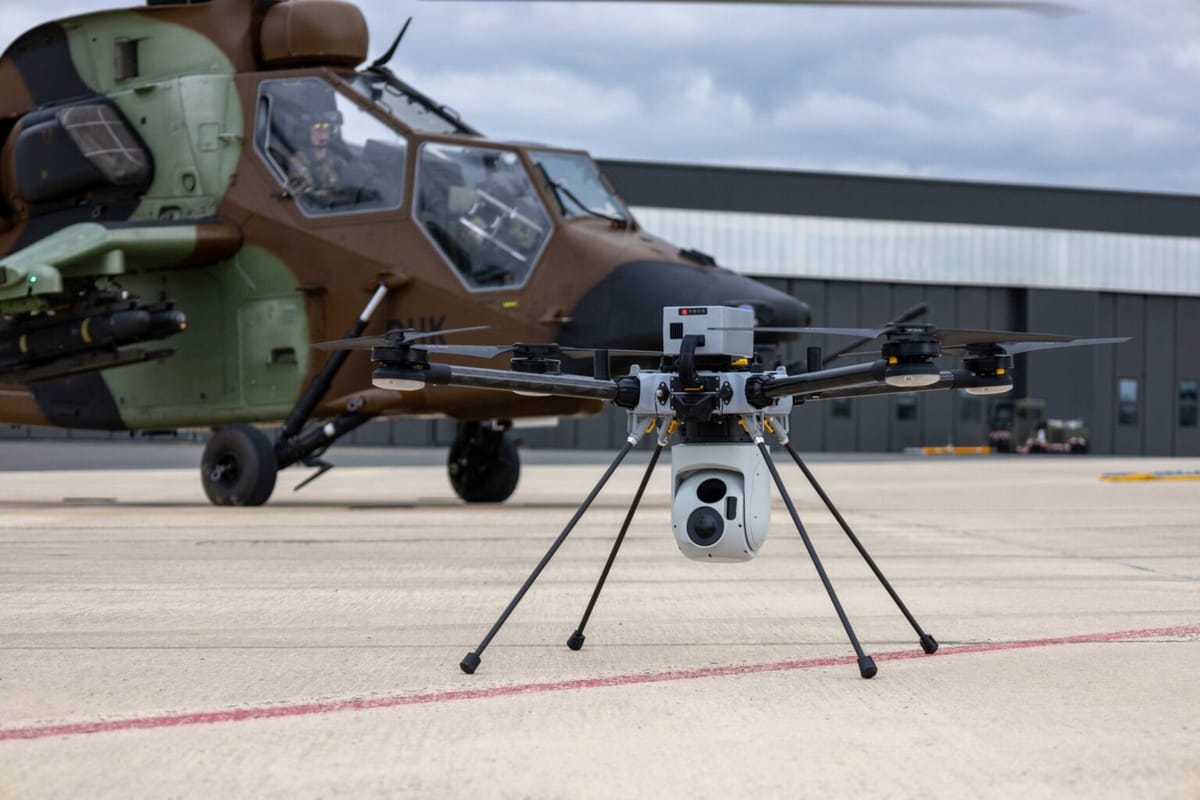
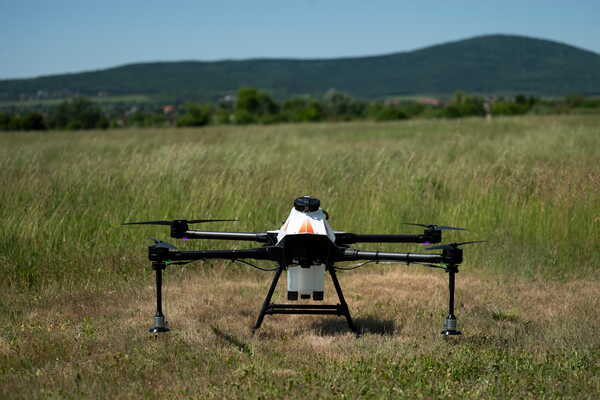
Germany has awarded a significant $950 million contract for drone procurement, raising concerns due to disappointing test results. This decision reflects the nation's urgent need to bolster its defense capabilities amidst evolving security challenges.


Key facts
- Germany awarded a $950 million drone contract despite poor test results.
- The decision underscores the urgency to enhance military capabilities.
- Critics question the procurement process and evaluation criteria.
2 minute read
Germany’s award despite poor trials reflects a decision to buy time, expand capacity, and signal resolve to allies. Berlin must refill stocks, plug ISR and strike gaps, and hit NATO targets. Contracting now and iterating later prioritizes fielding speed over polished performance, a pattern that has spread in Europe since Russia’s full scale invasion.
The bet relies on concurrency. Testing, certification, and production will move in parallel. This can compress schedules and anchor industrial skills, but only if leaders impose hard exit criteria, publish performance data, and ring fence money to retrofit early lots. Without this discipline, forces inherit expensive airframes that struggle against modern electronic warfare, integrated air defence, and GPS denial, dragging readiness and budgets.
For NATO, the deal points to layered drone families that blend attritable systems with high end platforms. Success hinges on interoperability, open architectures, resilient command and control, and assured data links across NATO networks. Berlin will need to align software baselines and crypto, harden against cyber and spectrum attack, and train operators, maintainers, and logisticians at scale. Sustainment planning, spares, and depot capacity must be baked in from day one.
At the European level, common test regimes, shared ranges, and joint red teaming against EW and counter UAS should be institutionalised via the European Defence Agency and NATO DIANA. Shared test data can accelerate fixes and reduce duplication. Conditional milestones, spiral service entry, and performance based sustainment can balance urgency with accountability while giving industry predictable demand and export pathways. With realistic thresholds and tight governance, this contract can accelerate capability rather than entrench weakness. Europe is shifting from boutique programs to scalable drone fleets built for contested airspace.
You might also enjoy...
 Mr. T (Curator)
 Mr. T (Curator)
 Mr. T (Curator)