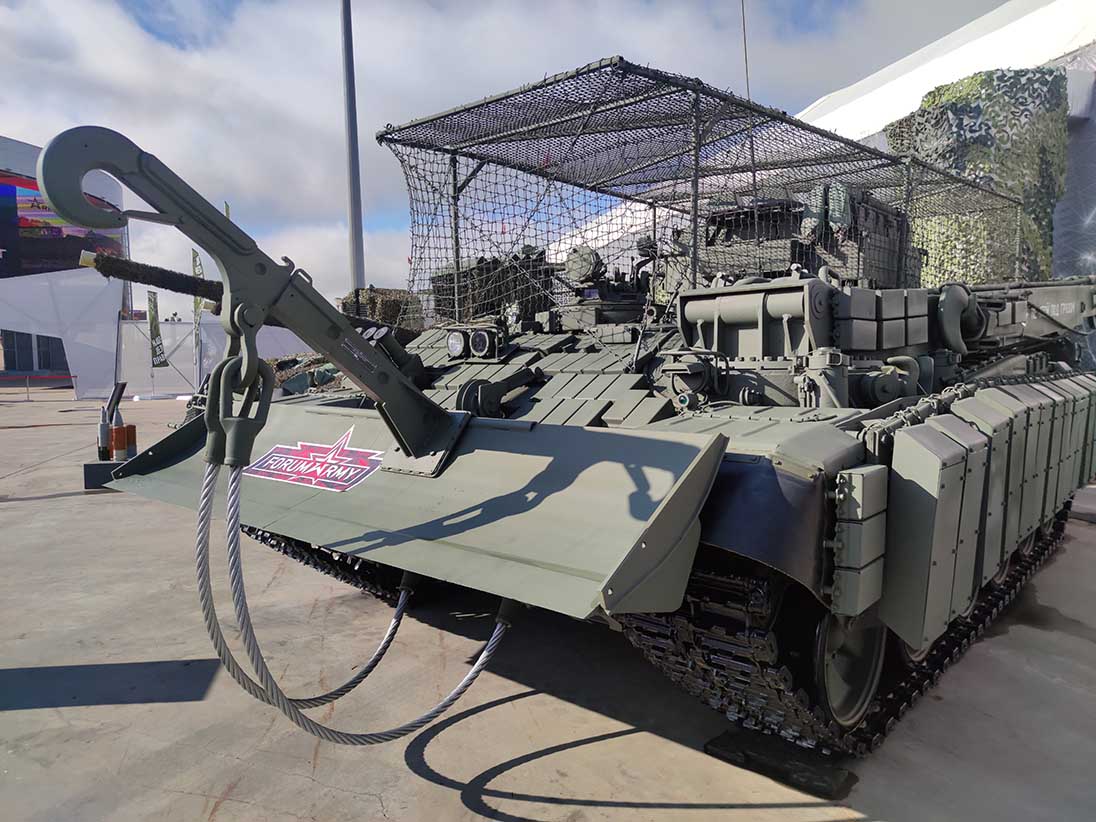
Germany Unveils €377B Military Modernization Plan
Germany's ambitious military overhaul includes €377 billion in planned defense spending, focusing on modernization across all domains. Key projects involve domestic firms, with significant investments in drones, air defense, and satellite capabilities, aiming to enhance Germany's military strength i

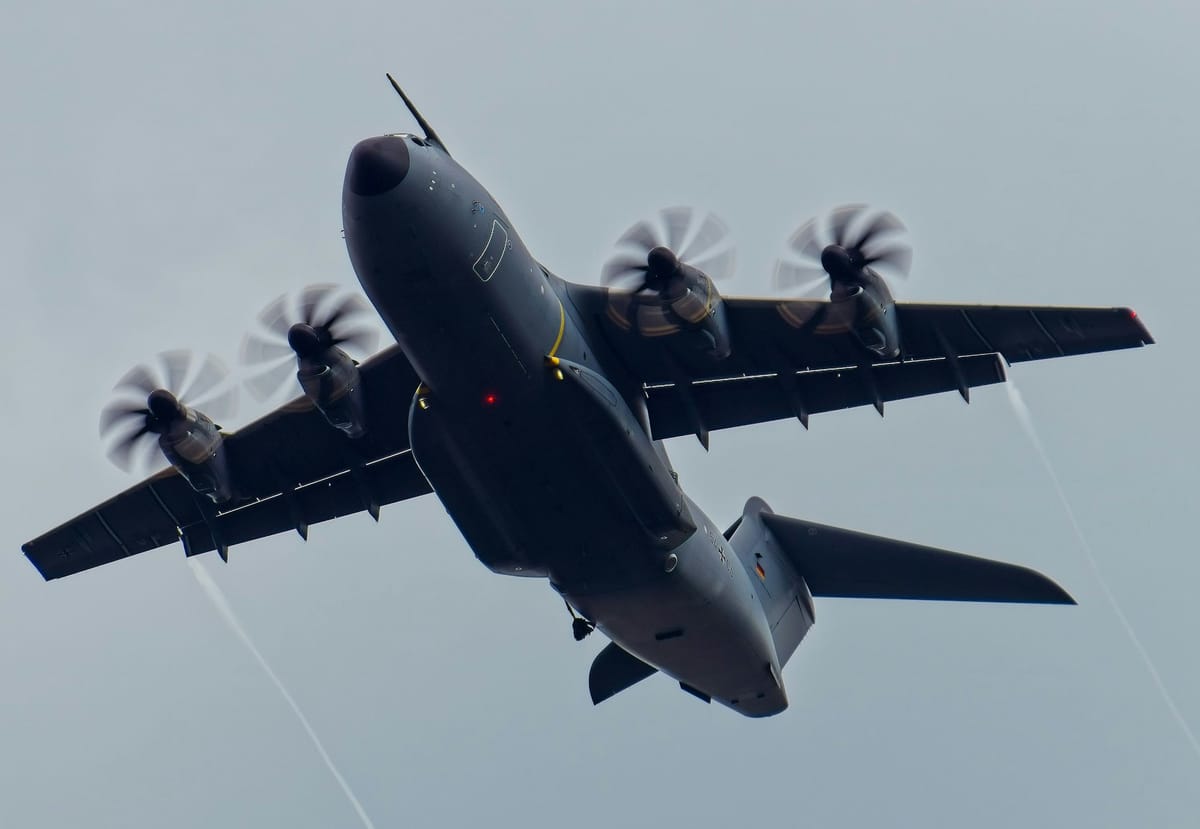
Key facts
- Germany plans to spend €377 billion on military modernization, focusing on domestic procurement.
- Key projects include 561 Skyranger 30 systems and an expanded fleet of Heron TP drones.
- The plan allocates over €14 billion for satellite programs to enhance military communications.
2 minute read
Germany’s €377 billion modernization blueprint is a strategic reset aimed at restoring credible European conventional deterrence. Concentrating roughly 320 programs in domestic industry is a bid to rebuild industrial depth, shorten supply lines, and secure sustainment over a long conflict. For NATO, the signal is mass and readiness, with Berlin seeking to move from under-equipped formations to deployable, networked forces that can operate at scale with allies.
Air defense and counter-drone capabilities sit at the plan’s core. Buying 561 Skyranger 30 short-range systems reflects lessons from Ukraine, prioritizing mobile, layered protection against drones, loitering munitions, and low-flying threats. Expanding the Heron TP fleet alongside new LUNA NG tactical drones points to denser ISR and precision strike, enabling faster targeting cycles and better protection for maneuver units. If integrated across Germany’s brigades and NATO’s eastern posture, these moves would tighten the alliance’s short-range shield and improve responsiveness.
Space spending of over €14 billion for communications satellites and a low-Earth-orbit constellation targets resilient command-and-control, assured connectivity, and coalition interoperability in contested environments. The purchase of 15 F-35s preserves Germany’s nuclear-sharing role and accelerates standardization with key allies, improving deterrence while deepening reliance on US software, munitions, and sustainment pipelines.
The domestic tilt, with nearly half of expenditures tied to German firms, could accelerate deliveries and build surge capacity. It also risks fragmentation and higher unit costs unless Berlin aligns requirements with partners and reforms procurement to prioritize speed and common standards. Fiscal discipline will test whether ambition translates into fielded capability.
If executed, the plan could shift NATO burden sharing and sharpen Europe’s high-intensity warfighting edge. Europe’s defense is moving toward faster, more connected, counter-drone-centric warfare.
You might also like to read...
 Mr. T (Curator)
 Mr. T (Curator)
 Mr. T (Curator)