Germany's Defense Minister Rules Out Drone Stockpiling Amid Russia Tensions
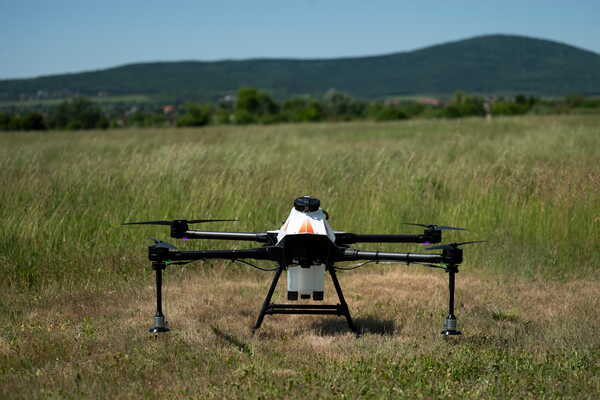
Germany's Defense Minister has stated that the country will not stockpile drones in anticipation of a potential conflict with Russia. This decision reflects a strategic approach to defense resources, emphasizing readiness without extensive stockpiling.

Key facts
- Germany will not stockpile drones despite rising tensions with Russia.
- The decision reflects a shift towards operational readiness over extensive reserves.
- This approach may influence NATO's collective defense strategies.
2 minute read
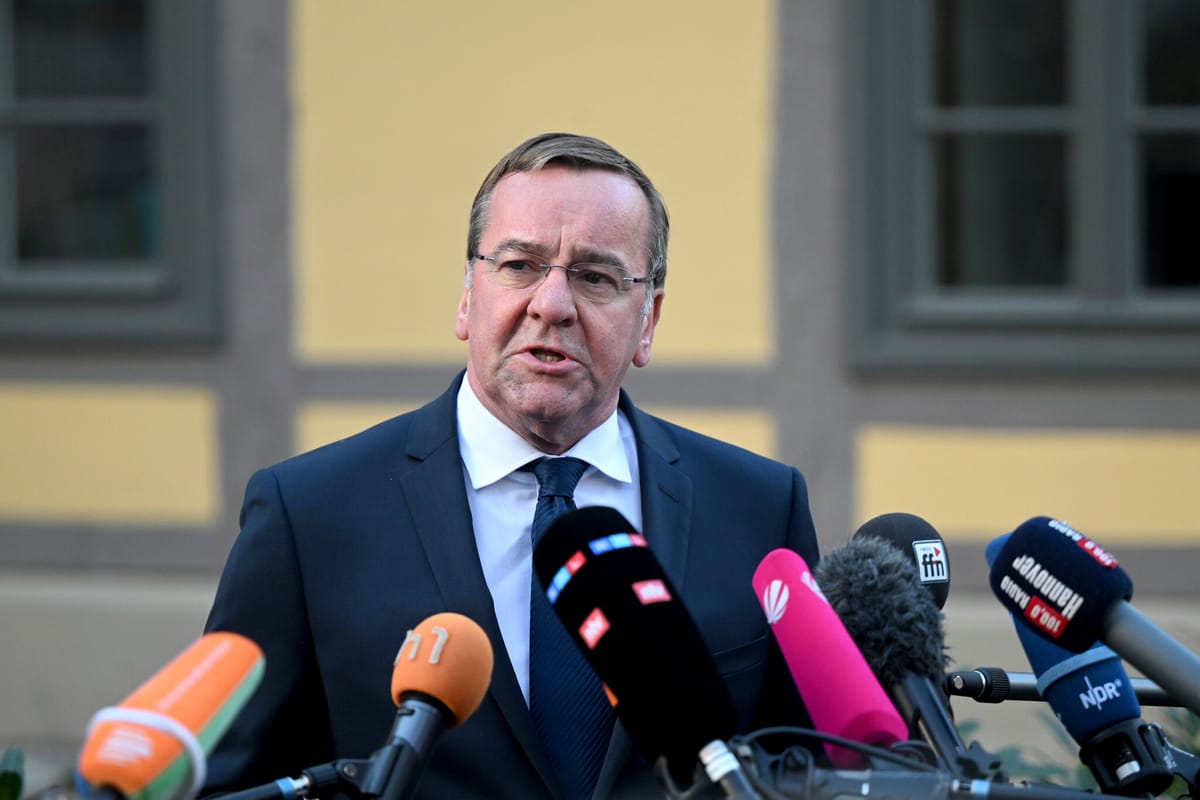
Berlin’s decision not to stockpile drones points to a readiness model built on agile procurement, interoperable systems, and scalable industrial capacity rather than large warehouses of airframes. Defense Minister Boris Pistorius has been blunt about the rationale, arguing that "innovation cycles in drone development are increasingly short," rendering physical stockpiles obsolete before they can be deployed.
The logic mirrors battlefield lessons from Ukraine, where attrition is high, technology turns over quickly, and value comes from software, sensors, and data. Prioritising modular designs, rapid upgrade cycles, electronic warfare resilience, and assured logistics can preserve flexibility while directing resources to training, command and control, and analytics that determine mission effectiveness. Interoperability with allies becomes a core requirement, not a "nice to have."
The approach carries clear risks. Without deep inventories, crisis availability depends on production lead times, access to critical components, and secure supply chains for chips, optics, and batteries. Export controls and competition for commercial electronics could constrain output. Mitigation will require multiyear framework contracts and prequalified supplier networks—a shift that Pistorius emphasizes is vital because "security is not a short-term expenditure" but requires predictable, long-term industrial guarantees.
Onshore or "friend-shored" assembly and buffers of critical parts must replace stockpiles of finished systems. Common standards for data links, airworthiness, and payload interfaces would allow allies to cross-load platforms and sensors at speed, reducing national bottlenecks.
For NATO, Germany’s stance nudges the alliance toward common architectures, pooled procurement, and rapid replenishment, complementing efforts to expand European defence production and to fuse counter-UAS, electronic warfare, and air and missile defence into a layered picture. The test will be the eastern flank, where sustainment, interchangeability, and time to replace losses may matter more than headline quantities. Some allies will still build reserves, but convergence on standards can bridge different strategies. Europe is shifting toward faster cycles, networked autonomy, and industrial depth as the character of warfare evolves.