Greece Advocates for EU Joint Defense Financing Amid Security Concerns
Greek Prime Minister Kyriakos Mitsotakis urges EU leaders to establish a joint defense debt mechanism to enhance military capabilities and address security threats, particularly in light of the ongoing conflict in Ukraine and drone incursions into EU airspace.

Key facts
- Mitsotakis advocates for EU-wide borrowing to enhance defense capabilities.
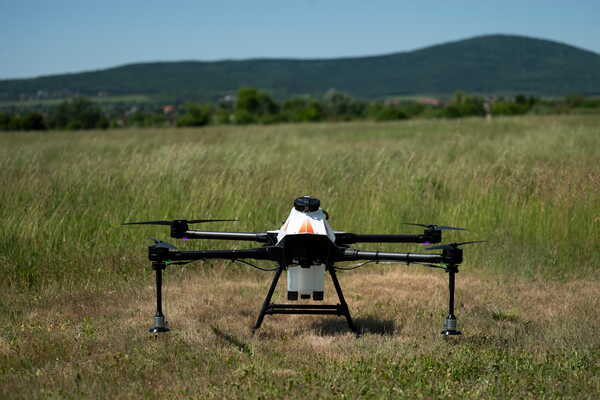
- The proposal targets military projects, including anti-drone technologies.
- Concerns about balancing environmental goals with economic competitiveness were raised.
2 minute read
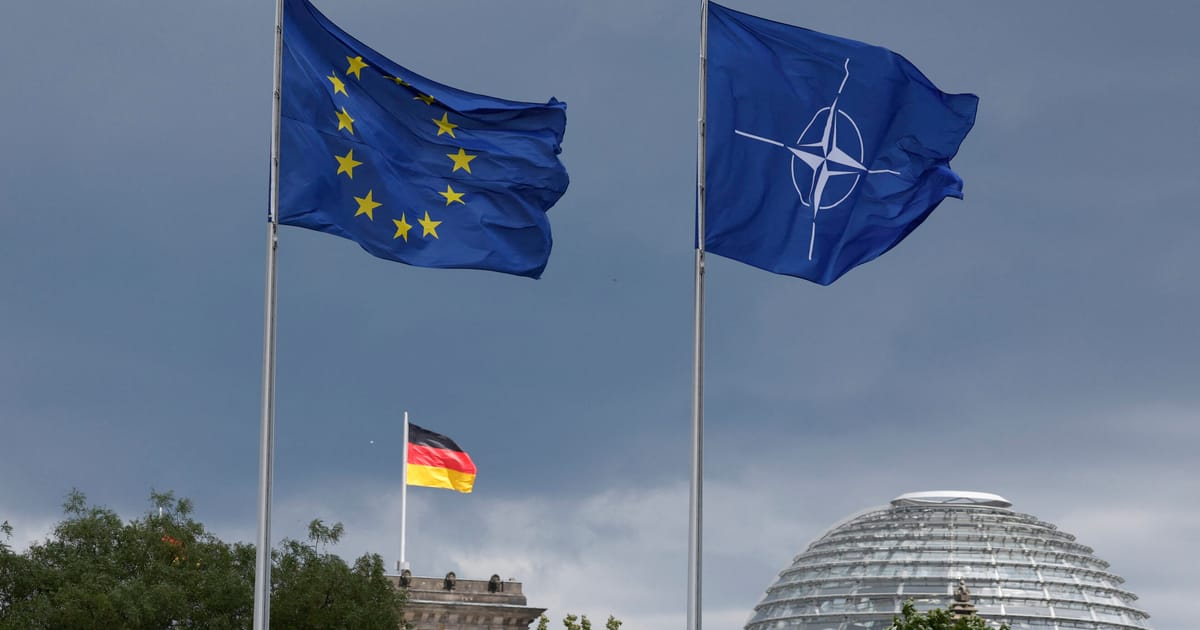
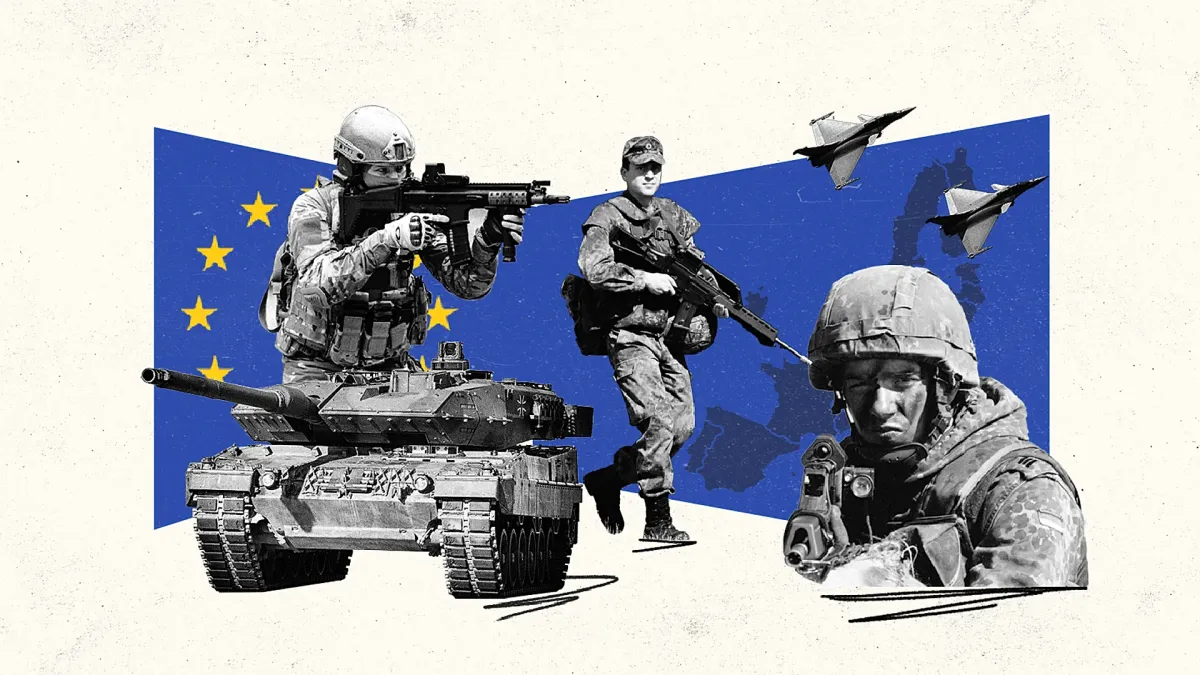
Greece’s prime minister used this week’s Brussels summit to press a familiar but sharpened argument. Europe, he said, has reached an inflection point that demands greater ownership of its security, and that means European structures and European money for defence. Kyriakos Mitsotakis urged leaders to consider joint EU borrowing dedicated to common projects that qualify as a European public good, from air defence to new technology such as drones and AI. The appeal reflects a harder security climate shaped by Russia’s war on Ukraine and recent incursions by hostile drones and fighter jets into EU airspace.
The European Commission has proposed looser fiscal rules to spur rearmament, and capitals have identified cross-border priorities, including anti-drone capabilities. Yet the funding question remains stuck. Fiscally conservative member states, notably the Netherlands, resist new common debt, leaving most investments to national budgets and slowing efforts to scale production and standardise equipment.
A draft summit statement points to a compromise in the making. Leaders are set to steer defence investment toward joint development, production and procurement. That approach aligns with NATO goals, improves interoperability on the eastern flank, and would help rebuild Europe’s fragmented industrial base. It would also reduce duplication and give EU industry the long planning horizons needed to expand capacity.
Mitsotakis framed the issue as one of conditionality and outcomes. Additional funding, he argued, should drive joint procurement and targeted innovation that strengthens deterrence. Perhaps like suggested by Ukrainian Experts, that Europe should prioritize Drone Operator Training (not production). He also cautioned Brussels on climate policy, warning that the final stretch of the green transition is costly and technologically uncertain. Competitiveness and social cohesion, he said, must anchor environmental ambition.
The debate exposes Europe’s strategic trade-off. Without common instruments, rearmament will proceed unevenly and at higher cost. With them, the bloc can accelerate short-range air defence, counter-drone networks and digital enablers that modern warfare now requires. If leaders move beyond principle to pooled finance and binding demand, Europe could turn today’s security shock into a lasting upgrade of its defence economy.
You might also like....
 Mr. T (Curator)
 Mr. T (Curator)
 Mr. T (Curator)