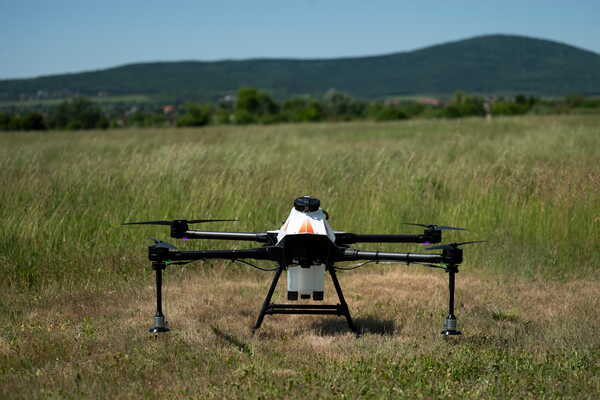
Greece Embraces Drone Technology for Defense and Innovation
Greece is making significant strides in drone technology, focusing on enhancing its defense capabilities and fostering innovation. The government aims to integrate drones into various sectors, including military and civilian applications, marking a pivotal shift in its approach to modern warfare.

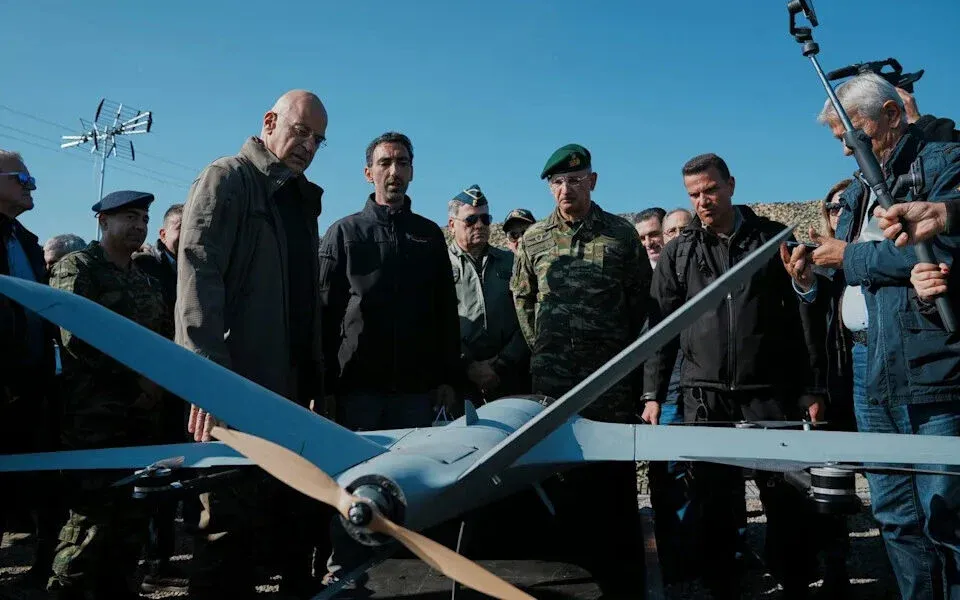
Key facts
- Greece is investing in drone technology for both military and civilian uses.
- The initiative aims to enhance surveillance and logistical capabilities.
- Greece seeks to position itself as a leader in European drone innovation.
2 minute read
Greece is making a major shift to bring unmanned systems into the mainstream, treating drones not as niche gadgets but as essential force multipliers for defense, internal security, and public services. The strategy focuses heavily on maintaining persistent surveillance over the Aegean Sea and the Evros borders, while also ensuring rapid logistics support for island garrisons and resilient communications during crises.
This approach offers dual benefits. Civil agencies are gaining powerful new tools for search and rescue operations and wildfire monitoring, while the armed forces get access to cheaper, "attritable" platforms—assets that are affordable enough to risk in combat—that complement their existing manned aircraft and naval fleets. To get there, Athens is balancing speed with sustainability; they plan to buy off-the-shelf systems for immediate use while simultaneously boosting domestic R&D in sensors, autonomy, and software. By leveraging European frameworks like the European Defence Fund and NATO interoperability efforts, Greece aims to secure its supply chains and potentially build its own exportable technologies.
A key part of this modernization is the emphasis on open architectures and secure data links. The goal is to integrate these new unmanned systems with existing command structures to create faster, more reliable targeting cycles that still operate within legal and ethical boundaries. However, the government recognizes that using drones is only half the equation; they also need to defend against them. Consequently, there is an urgent, parallel push for counter-UAS capabilities, utilizing layered sensors, electronic warfare, and kinetic options to protect bases, ships, and critical infrastructure.
As drone threats evolve—ranging from swarms to loitering munitions and cheap quadcopters—standardized training and joint concepts across the services and with allies will become increasingly important. If this plan is executed well, Greece could position itself as a regional testbed for maritime domain awareness and border security, helping to shape future EU regulations and safety rules. For NATO, a highly connected Greek drone ecosystem would significantly strengthen deterrence in the Eastern Mediterranean, plugging critical gaps in intelligence and logistics while aligning with Europe’s broader move toward affordable autonomy.