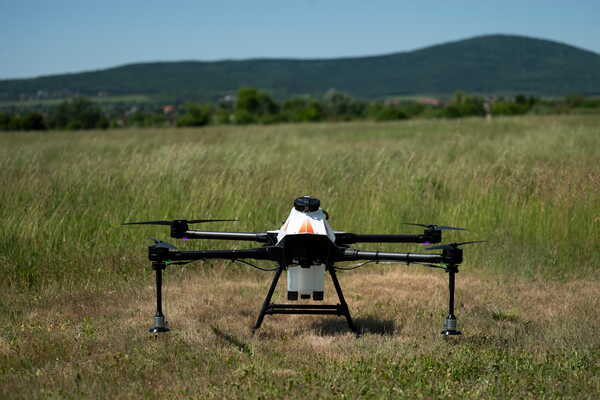
Hellenic Army Converts Factory to Drone Production Facility
The Hellenic Army has repurposed a factory into a state-of-the-art drone production facility. This transformation aims to enhance the military's capabilities in unmanned aerial systems (UAS) technology.

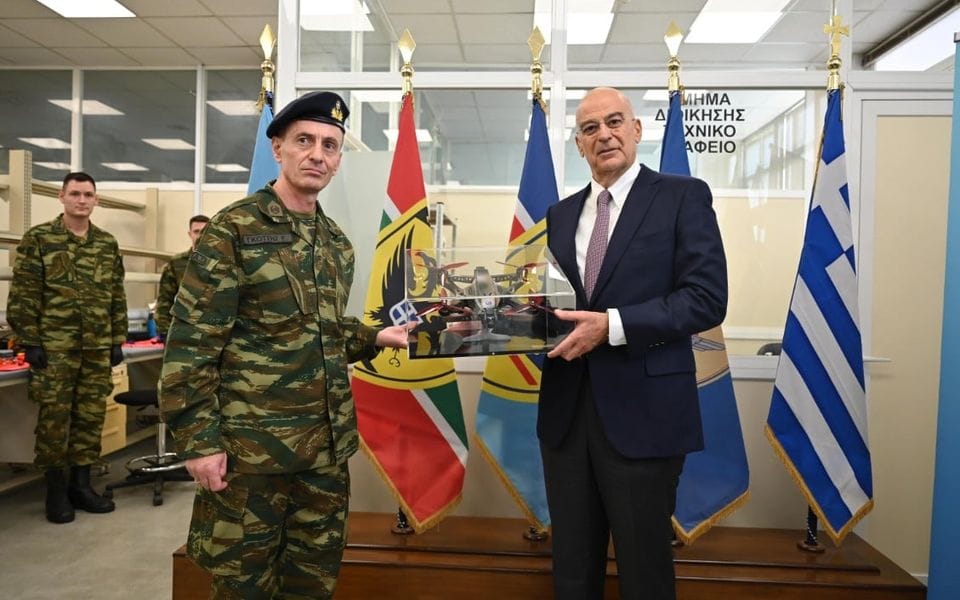
Key facts
- Hellenic Army factory now focuses on drone production.
- Supports modernization of Greek military operations.
- Production includes drones for surveillance and reconnaissance.
Summary
Converting an army factory to drone production signals Greece’s intent to secure sovereign capacity in a technology that now shapes deterrence and day-to-day operations. Indigenous UAS output addresses lessons from Ukraine, where mass, responsiveness, and attrition favor states that can replenish platforms quickly. For Athens, the move also supports persistent surveillance over maritime approaches and border zones, improving situational awareness in the Aegean and Eastern Mediterranean while reducing exposure to export risk and supply bottlenecks.
The decision aligns with Europe’s push to rebuild defence industry depth. If tied to EU programmes and NATO standards, Greece can plug into a continent wide effort to scale affordable, interoperable systems. The strategic payoff will depend less on airframes and more on payloads, secure datalinks, and software. Building a local ecosystem around sensors, electronic warfare, and autonomy, with open architectures and STANAG compliant interfaces, would position Greek industry to upgrade platforms continuously and integrate into allied networks.
Operationally, domestically built ISR drones can close gaps in coast guard and army coverage, cue naval assets, and support precision fires. The critical enablers are resilient command and control, anti jam navigation, spectrum management, and training pipelines for operators and maintainers. Greece will also need a coherent counter UAS concept so new drones operate alongside defensive systems without fratricide or interference. Sustainment frameworks and rapid spiral development cycles should be embedded from the start.
Regionally, this is a burden sharing signal inside NATO and a hedge against volatile global supply chains. Export prospects exist in Southeast Europe and the Mediterranean, but competition from established UAS exporters is intense, making cost, reliability, and integration the decisive metrics. Partnerships with European suppliers for engines, payloads, and secure communications could accelerate scale and lower risk. Europe is moving toward distributed, attritable unmanned systems that will redefine tempo and reach in future conflicts.