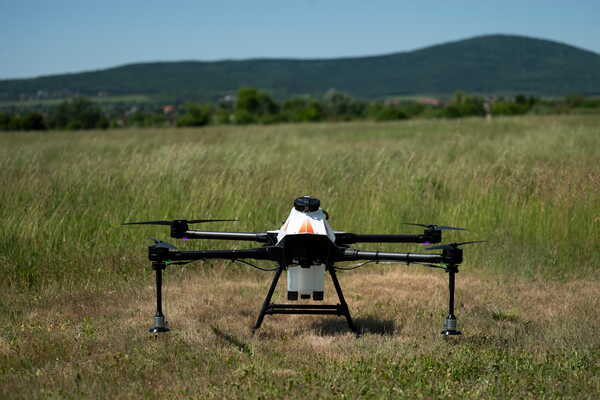
Hydrogen hybrid Raybird UAV completes combat missions in Ukraine
A hydrogen fuel-cell hybrid Raybird UAV built by Skyeton has completed combat missions in Ukraine, demonstrating extended endurance and reduced thermal and acoustic signatures.


Key facts
- Skyeton’s hydrogen fuel-cell hybrid Raybird completed combat missions in Ukraine, per manufacturer claims.
- Hydrogen-electric propulsion extends endurance and reduces thermal/acoustic signature versus petrol range-extenders.
- Deployment raises logistics, safety and counter‑UAS policy implications for European forces.
2 minute read
Skyeton’s hybrid Raybird — a tactical unmanned aerial vehicle retrofitted with a hydrogen fuel cell powering an electric motor — has reportedly completed combat missions in Ukraine, marking a notable shift in deployed propulsion technologies. The manufacturer states the hydrogen system increases endurance and reduces heat and noise signatures compared with conventional petrol range‑extenders, enabling longer time-on-station and more discreet operations. Skyeton framed the flights as operational sorties rather than trials, signalling that hydrogen-hybrid propulsion is moving from experimental to employed capability in an active conflict zone.
Operationally, the change matters in three ways. First, longer endurance improves persistent surveillance and strike support, affecting battlefield tempo. Second, lower thermal/acoustic signatures make detection by infrared and acoustic sensors harder, complicating counter‑UAS efforts. Third, hydrogen introduces new logistics and safety needs: supply, storage, and refuelling protocols differ from conventional fuels and will shape sustainment chains for units operating these platforms.
For European defence and policy audiences, the Raybird’s deployment should prompt updates to procurement, training, and C-UAS doctrine. Planners must evaluate hydrogen fuel availability, ground‑handling practices, and how existing detection and jamming tools perform against quieter, electrically driven UAS. The case also highlights industrial momentum behind hybrid and fuel‑cell propulsion for tactical drones — a trend likely to accelerate as manufacturers and operators seek longer endurance and reduced signatures without sacrificing payload capability.
Source: sUAS News