Italian Authority Investigates DJI for Alleged Price-Fixing Practices
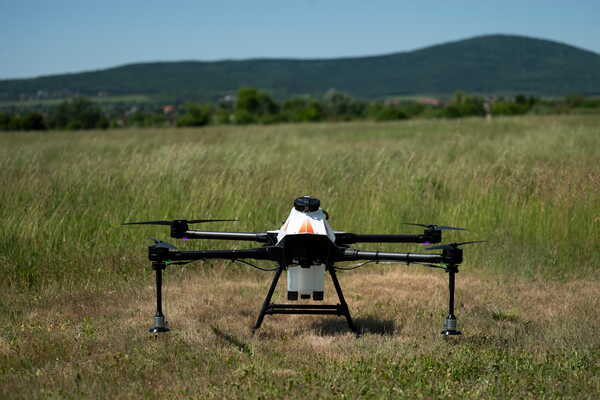
The Italian Competition Authority has initiated an investigation into DJI and its importer Nital for suspected illegal price-fixing and blocking of parallel imports. The probe focuses on the resale practices of professional drones, potentially violating EU competition laws.


Key facts
- AGCM investigates DJI and Nital for suspected illegal price-fixing.
- Companies allegedly engaged in resale price maintenance practices.
- Raids conducted at Nital's headquarters as part of the ongoing investigation.
2 minute read
Italy’s competition watchdog has opened a probe into DJI Europe and its Italian distributor Nital on suspicion of fixing resale prices for professional drones and restricting parallel imports. The authority says the conduct may amount to resale price maintenance, with retailers required to keep listed prices for DJI Enterprise models in line with those on Nital’s website. Dealers who undercut were reportedly warned that they could lose access to DJI trademarks or face suspended deliveries.
The case goes to the heart of how Europe’s drone market is priced and supplied. If confirmed, the practices would likely fall under serious restrictions of competition set out in Article 4(a) of EU Regulation 2022/720, which targets agreements that limit a buyer’s ability to set its own resale prices. The authority is also examining whether retailers were discouraged from sourcing stock from other EU countries, a common way to pass lower local prices to customers. Blocking such parallel trade would further constrain competition inside the single market.
Investigators, supported by the Guardia di Finanza’s Special Antitrust Unit, carried out raids on October 23 at Nital’s headquarters and at several retailers. DJI and Nital have not commented, and the inquiry remains ongoing. The next steps will hinge on documents and communications gathered during the inspections, which are intended to test whether the alleged coordination was systematic and enforceable across the reseller network.
For Europe’s security ecosystem, where public agencies and critical industries increasingly deploy enterprise drones, the outcome matters. Transparent pricing and open sourcing support broader adoption, diversified supply, and resilience in procurement. A strict line by competition authorities would signal that the EU’s push to scale dual-use technologies must still sit within robust single market rules, encouraging manufacturers and distributors to compete on innovation, service, and integration rather than controlled margins. If enforcement leads to cleaner pricing and freer trade within the bloc, Europe’s drone sector will be better placed to expand capacity and meet operational demand.
You might also like...
 Mr. T (Curator)
 Mr. T (Curator)
 Mr. T (Curator)