Kallas seeks €120m/year EPF package to harden Moldova against Russia
Kallas proposed doubling EU EPF military aid for Moldova to €120m/year, citing Russian hybrid pressure and drone incursions, with a new EU-funded radar already delivered.


Key facts
- EU top diplomat Kaja Kallas proposed doubling EPF funding for Moldova to €120 million annually.
- Kallas said EU assistance via the EPF has already reached €200 million and highlighted delivery of an EU-funded radar system.
- Any EPF increase requires EU member-state approval amid recurring political and technical disputes over the mechanism.
3 minute read
Kaja Kallas’ proposal to double European Peace Facility (EPF) support for Moldova to €120 million per year is designed to move Chișinău from ad hoc assistance into a more durable EU-backed defence posture at the EU’s eastern edge. The EPF is the Union’s principal off-budget vehicle for financing military assistance, and Kallas explicitly framed the increase as the largest EPF measure for any beneficiary after Ukraine—an intended political signal that Moldova is being treated as a frontline resilience case rather than a conventional neighbourhood partner.
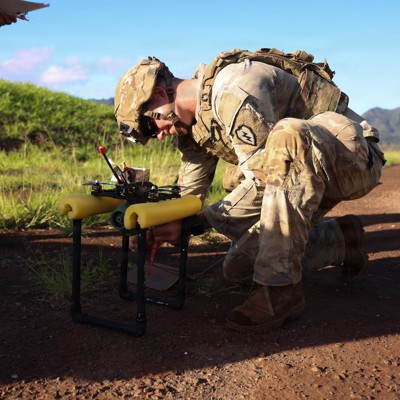
The operational rationale presented is air and infrastructure protection under hybrid pressure. Kallas cited repeated Russian drone incursions into Moldovan airspace and attacks on energy infrastructure, and pointed to the arrival of an EU-funded radar system to improve detection of drones near Moldova’s borders. For European defence officials, the emphasis on radar delivery underscores a shift toward enabling capabilities—surveillance and early warning—rather than solely consumables or non-lethal aid, with immediate relevance to counter-UAS architectures along the broader Black Sea and eastern frontier.
The political constraint is governance of the EPF itself. Any increase requires member-state approval, and the mechanism has repeatedly been slowed by internal disputes over reimbursements and eligibility. The article notes Hungary’s prior blocking behaviour under Viktor Orbán and references past technical objections from France and Germany. This suggests the Moldova package will test whether the EU can treat support to non-member frontline states with the same urgency as Ukraine-related measures, or whether EPF decision-making remains vulnerable to veto dynamics.
Strategically for Europe, deeper defence integration with Moldova also reduces the risk of spillover from the Ukraine war into EU security space, especially regarding airspace integrity, critical energy infrastructure, and Russian coercive tactics. The proposal builds on Moldova’s 2024 security and defence partnership with the EU—the first signed by a non-EU country—indicating an emerging template for structured defence support short of membership and short of mutual defence commitments. Kallas also signalled a forthcoming second EU-Moldova summit, implying further political anchoring may accompany capability assistance.
Source: Politico EU