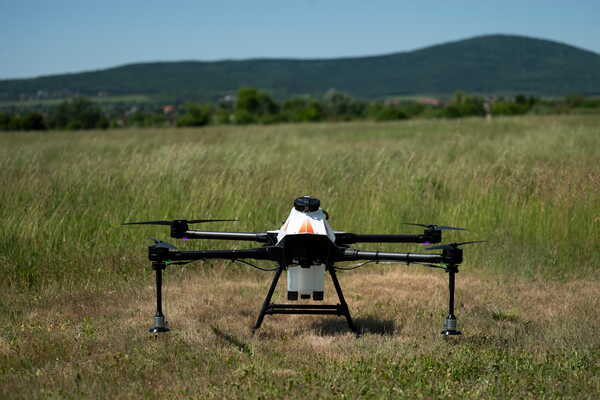
Laser charging system seeks indefinite drone flight
A laser power‑beaming system could allow drones to stay aloft for extended periods by beaming energy from ground or airborne transmitters, but technical, safety and regulatory hurdles limit near‑term operational use.


Key facts
- Laser power‑beaming transmits energy from a ground or airborne emitter to PV receivers on drones to extend flight time.
- Key limits include line‑of‑sight, atmospheric attenuation, conversion efficiency and thermal management on the aircraft.
- Safety, airspace regulation and privacy concerns will shape adoption in Europe; near‑term use likely confined to controlled trials.
2 minute read
A number of companies and research teams are developing laser power‑beaming systems intended to extend the endurance of small and medium-sized drones by transmitting energy from a ground station or an aerial platform to a photovoltaic receiver on the aircraft. TechRadar’s coverage highlights the potential operational benefits — notably persistent ISR (intelligence, surveillance, reconnaissance), sustained communications relays, and longer inspection flights — that could transform how organisations use unmanned systems.
Technically, the concept relies on high‑precision tracking and stable line‑of‑sight between transmitter and receiver, plus efficient conversion of laser light into electrical power. These requirements mean performance degrades with atmospheric conditions (rain, fog, dust), platform motion and distance. Conversion efficiency, heat management on the drone, and the need for compact, lightweight receivers are active engineering challenges.
Beyond engineering, the biggest barriers are regulatory and safety related. Directed‑energy beams present eye‑safety risks to people and aircraft, complicate airspace management, and intersect with privacy and dual‑use concerns. Military users may value the capability for persistent operations, but civilian adoption in Europe will require new certification pathways, clear operational rules, and coordination with aviation authorities to mitigate hazards.
In short, laser charging offers a credible route to much longer drone endurance, but for the EU the path to fielded, routine use runs through cautious, regulated trials, standards development and cross‑sector risk management rather than rapid commercial rollout.
Source: TechRadar