Latvian FM Discusses Drone Threats and EU Defense Readiness
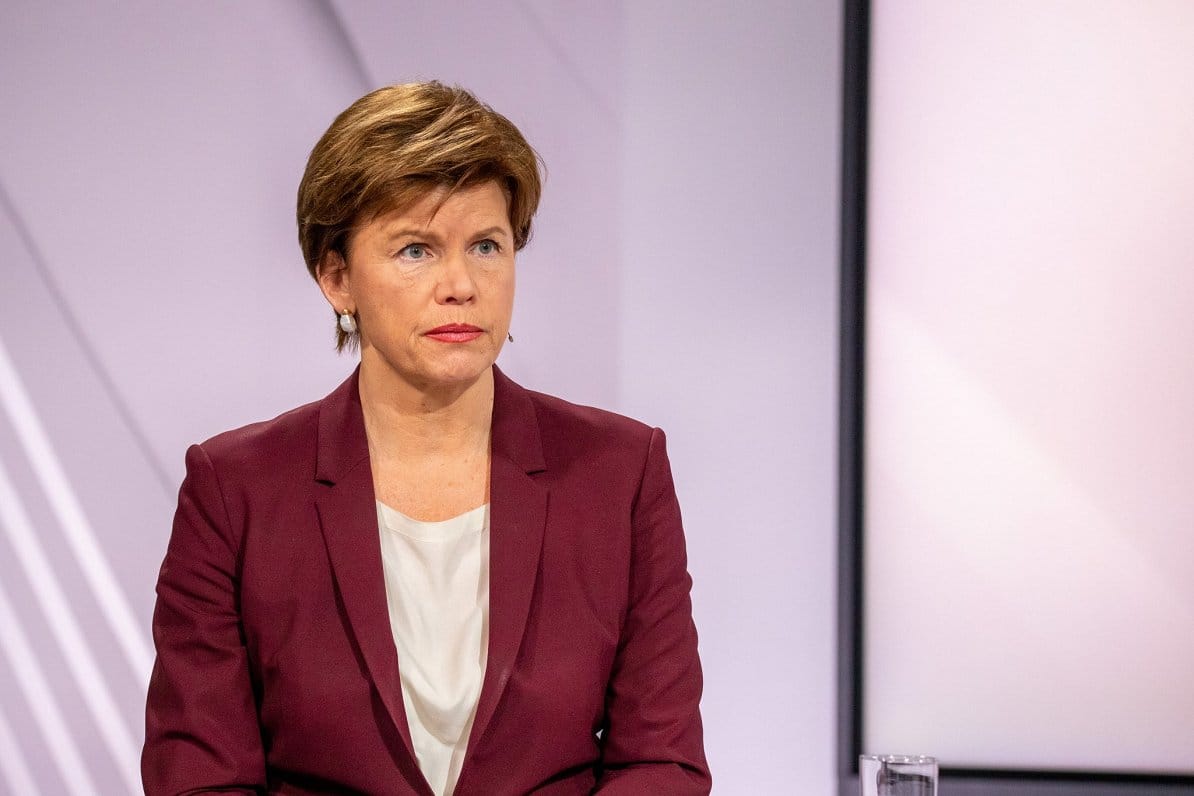
Latvia's Foreign Minister Baiba Braže addresses the rising threat of Russian drone incursions in European airspace, emphasizing the urgency for enhanced EU defense measures and the implications of ongoing sanctions against Russia amid hybrid warfare concerns.

Key facts
- Multiple EU nations report incursions by presumed Russian drones.
- Latvia emphasizes the need for enhanced EU drone readiness.
- Ongoing Russian gas imports complicate EU's stance on sanctions.
3 minute read
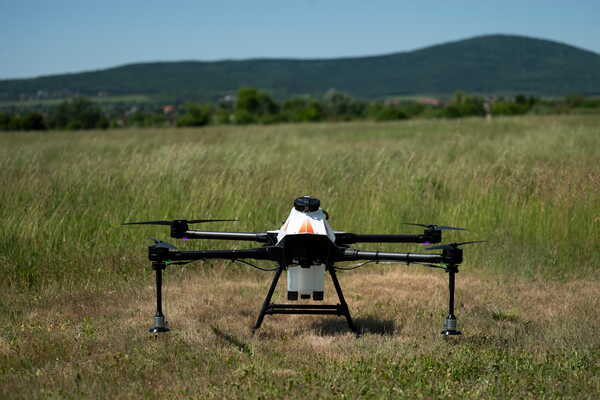
The recent wave of Russian drones penetrating European airspace is not merely a series of navigational errors; it is a calculated grey-zone pressure campaign designed to exploit slow reaction times and fragmented rules. For frontline allies, the immediate requirement has shifted from episodic interceptions to persistent, layered sensing tied to rapid decision chains. Yet, as Latvian Foreign Minister Baiba Braže recently explained, the continent is still struggling to bridge the gap between recognizing the threat and effectively neutralizing it.
The primary challenge lies in the "fog" of modern airspace. The EU and NATO urgently need to harmonize how they categorize threats and share data, ensuring that a detection in the Baltics or the Black Sea automatically cues a cross-border response. This means integrating civilian radar and telecom-based sensing into the military picture to close low-altitude gaps. Braže noted that without this advanced identification, confusion is inevitable. "You need to identify and detect the drones early on, because you want to understand what that is as early as possible," she said. "If you just use some radar or something, it might look like a Delta plane, not like a drone."
Capabilities, however, need to follow the sensors. There is a growing consensus that joint procurement of counter-UAS sensors, electronic attack systems, and very short-range air defenses would reduce costs and speed up deployment. But to get there, Europe must abandon its risk-averse procurement culture. Braže argues that the EU Commission needs to foster a "permissibility to fail environment" similar to the one Latvia has cultivated by testing technology directly on the Ukrainian battlefield. "What we need is single-source, small procurement, letting [the companies] fail, then letting them advance rapidly," Braže urged, emphasizing that she has pressed French ministers and EU leadership for "speed and rapid adoption."
Existing frameworks, from PESCO to NATO Integrated Air and Missile Defence, can host this testing and certification, but legal clarity is just as vital. Shared rules of engagement are essential so that nations can jam signals near critical infrastructure without disrupting civil services. A standing EU coordination cell could track these incursions to attribute patterns—whether they are drones in the sky or, as Braže highlighted regarding the Belarus border, "organised activity with the objective of violating our border" via weaponized migration.
Crucially, however, technical defenses are being undermined by policy incoherence. Continued imports of Russian gas weaken deterrence signals and complicate the narrative of pressure on Moscow. Aligning energy policy with security objectives is necessary to reinforce the credibility of sanctions and support sustained funding for air defense. Braže was starkly critical of countries that have not followed the Baltic lead in cutting off Russian energy, specifically citing French LNG imports. "The fact that there's quite a bit of Russian LNG imports in France, I don't think is the right message to Russia," she warned. "I don't think it's right to give billions of euros from French taxpayers' money or French companies' incomes to the Russian budget from which they wage the war."
Ultimately, Europe is moving from a posture of air policing to one of continuous counter-drone defense. This shift will require not only the technological freedom to fail and adapt, as Braže suggests, but the political discipline to ensure that Europe is not funding the very threats it is trying to shoot down.
Source: France 24