Lithuanian Children Learn Drone Skills in New Initiative
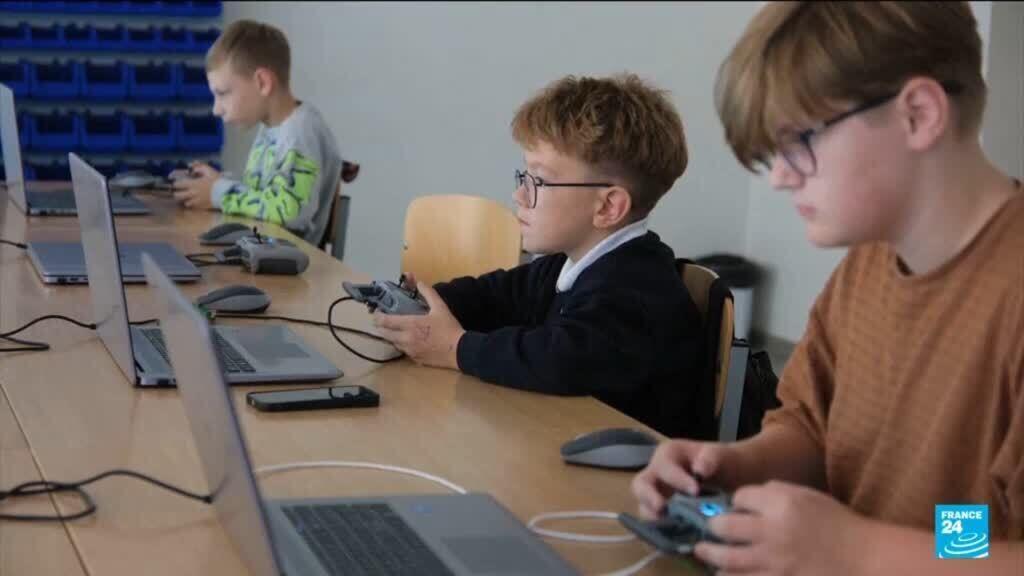
In a proactive move to equip the younger generation for future challenges, several schools in Lithuania have introduced extra-curricular drone courses. This initiative aims to teach children how to build, program, and fly drones, emphasizing the importance of technological skills.

Key facts
- New drone courses launched in Lithuanian schools.
- Focus on building, programming, and flying drones.
- Initiative aims to prepare children for future challenges.
Summary
Lithuania’s push to teach schoolchildren how to build, program and fly small drones reflects a broader shift in European security thinking. Cheap, adaptable unmanned systems have reshaped modern conflict and crisis response, and frontline NATO states are moving to embed these skills across society. Framed as technology education, the initiative also expands a talent pipeline for military reserve forces, border guards and emergency services, strengthening resilience on the alliance’s northeastern flank without blurring the line between civilian learning and combat training.
To deliver strategic value, governments should standardise curricula, assessment and safety protocols nationwide, then align them with EU and NATO guidance. Modules should cover responsible use, privacy, spectrum discipline, geofencing, counter disinformation and basic cyber hygiene, not only flight. Interoperability matters. Shared lesson plans and competitions across the Baltics and Poland would create a regional baseline for skills that can plug into NATO exercises, civil protection drills and cross-border disaster response. Partnerships with universities and industry can ensure access to simulators, open-source software and secure data practices, while meeting European Aviation Safety Agency and U-space requirements.
Risks are manageable with clear guardrails. Schools need transparent policies on data retention, imagery and location sharing. Parental consent, teacher training and independent oversight should be mandatory. The emphasis must remain dual-use and civic, highlighting search and rescue, infrastructure inspection and environmental monitoring. Funding should prioritise instructor upskilling and rural access, using national budgets alongside EU digital and resilience instruments. NATO can add value through Centres of Excellence, curriculum kits on electronic warfare awareness and GPS denial, and links to counter-drone literacy for civilians. If embedded early and responsibly, these programmes will harden society against hybrid threats while advancing Europe’s competitiveness in critical dual-use tech. Europe’s defence will increasingly depend on civic tech fluency and adaptable skills at scale.