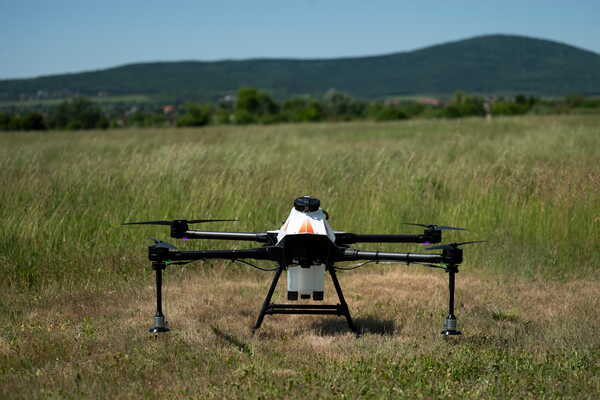
Lithuanian Startup Accelerates Drone Deliveries to Ukraine
A Lithuanian startup is rapidly deploying strike drones to Ukraine, utilizing innovative padding for protection during transport. This initiative aims to support Ukraine's defense efforts amid ongoing conflict, showcasing the increasing role of private companies in military logistics and technology.


Key facts
- Lithuanian startup is delivering strike drones to Ukraine.
- Drones are protected by innovative fluffy padding during transport.
- Private sector involvement in defense logistics is increasing.
2 minute read
A Lithuanian startup is moving strike drones to Ukraine at speed, using simple protective padding to cut transit damage and downtime. The effort shows how small firms compress procurement cycles and move equipment from workshop to front in weeks, not months.
For Europe and NATO, this is a test case for agile logistics. Private actors can route components across borders, exploit commercial freight and deliver last mile packs to units, but they must plug into government channels. Clear standards for packing, certification, customs, and air and road safety are needed to avoid friction and losses.
Industrial implications are significant. Many of these drones rely on commercial parts, open firmware and rapid iteration. This accelerates capability, yet raises risks around quality assurance, cyber hardening, export control, and dependency on non European suppliers. NATO will need fast track certification, common interfaces, and shared testing ranges to absorb these systems at scale.
Policy tools exist but require focus. EU initiatives on joint procurement and ramping production can include attritable UAVs, with framework contracts and pooled funds for quick buys. Member states such as Lithuania, Poland and the Nordics can act as integration hubs, while the EU should back startups with financing, assured orders, and support for maintenance and training pipelines in Ukraine.
Strategically, rapid replenishment of low cost drones sustains Ukraine's strike tempo and forces Russian adaptation, eroding static defenses. As private supply chains mature, Europe can build resilience through distributed manufacturing, diversified components, and transparent compliance that keeps pace with battlefield demand. Expect European defense to blend state procurement with agile private networks, reshaping how wars are supplied.