NATO to Integrate Drones into Eastern Defense by 2026
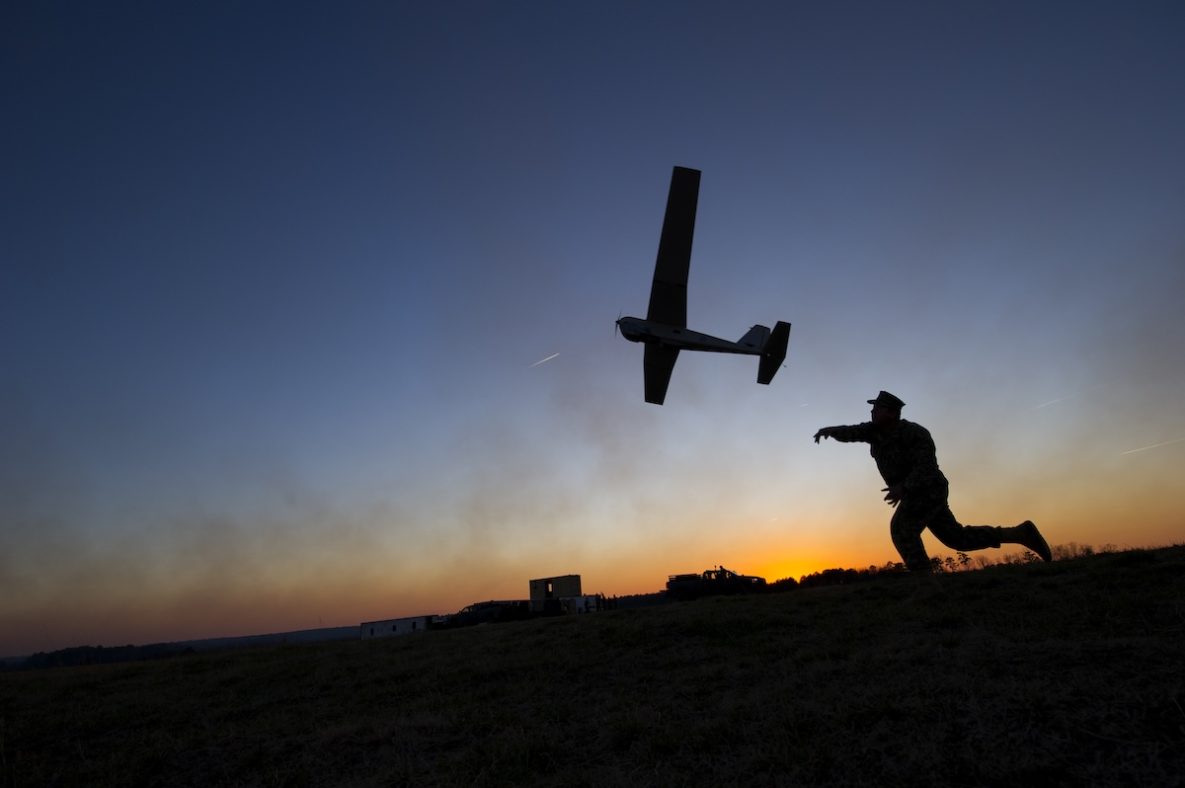
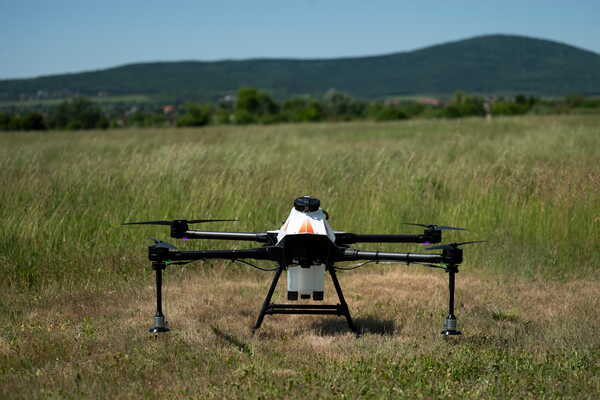
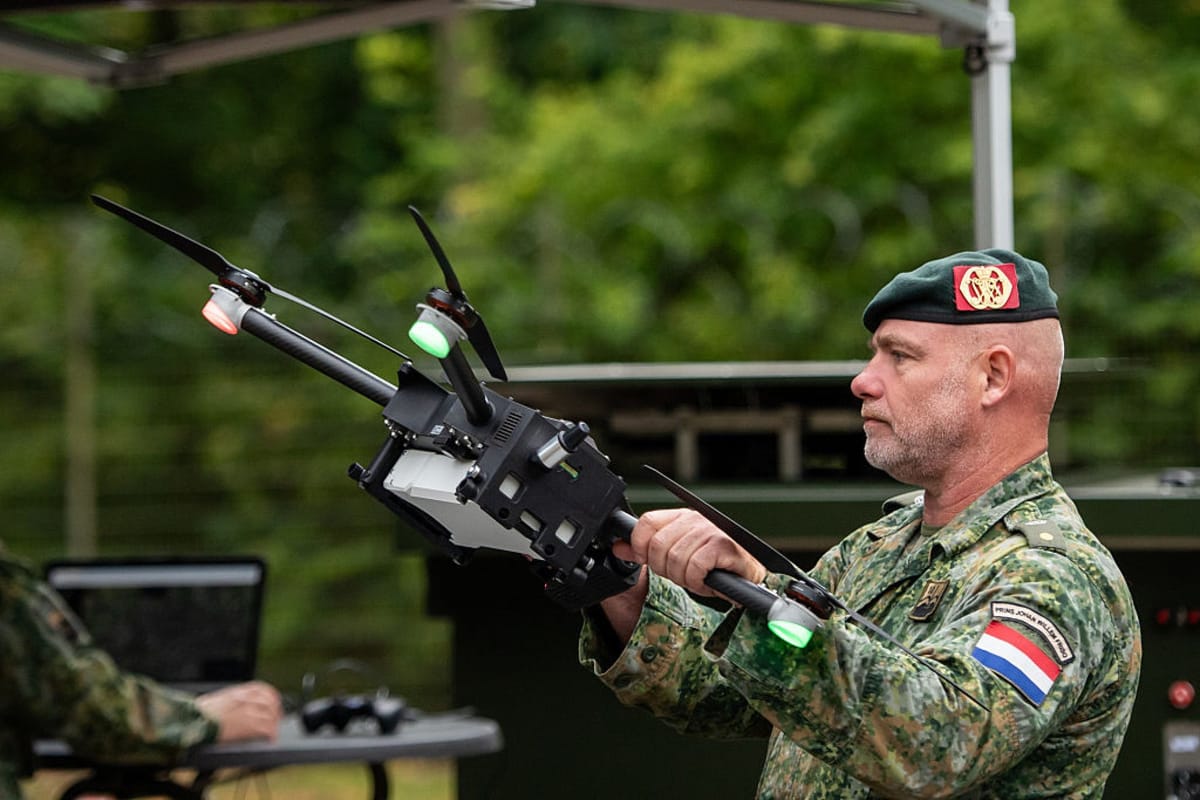
NATO plans to integrate drones into its Eastern Flank defenses by mid-2026, as highlighted by a senior commander. This move aims to counter the increasing threat of drone warfare, which poses significant risks to troops on the ground.

Key facts
- NATO plans to embed drones in Eastern Flank defenses by mid-2026.
- The initiative addresses the rising threat of drone warfare.
- Enhanced drone capabilities aim to improve troop safety and operational effectiveness.
2 minute read
NATO’s plan to embed drones across the Eastern Flank by mid-2026 operationalizes lessons from Ukraine and the Alliance’s new regional defense plans. The shift puts uncrewed systems at the heart of persistent surveillance, target acquisition, strike and logistics, replacing ad hoc deployments with doctrine, common standards and interoperable data links. Success will depend on integrating UAS into command and control, from corps to brigade level, with secure communications, resilient positioning and timely data sharing among Allies.
Embedding drones also reshapes air and missile defense. A credible posture combines layered short range air defense, electronic warfare, counter battery sensors and counter UAS effects, hard kill and soft kill, to protect units and critical infrastructure. Drones must connect to artillery and long range fires to shorten the sensor to shooter loop, while surviving in a contested electromagnetic environment. Training, prepositioned stocks and realistic exercises on the flank are essential to make this work at scale.
Industrial and political follow through are just as important. Europe needs volume production of attritable platforms, munitions and counter UAS kits, supported by joint procurement, common training pipelines and rapid certification. Programs under DIANA and the NATO Innovation Fund can help, but fragmentation, export controls, budget pressure and airspace deconfliction with civil authorities risk slowing delivery. Clear rules of engagement and a federated approach to data will be decisive.
For frontline Allies from the Baltics to Poland and Romania, integrated drones offer affordable mass and persistent sensing that reduce troop exposure and complicate adversary planning. Yet opponents will saturate, jam and spoof. The edge will go to forces that iterate fast, harden networks and pair drones with robust air defense.
Europe’s defence is moving toward networked, expendable autonomy that will define the next phase of deterrence.
You might also like to read…
 Mr. T (Curator)
 Mr. T (Curator)
 Mr. T (Curator)