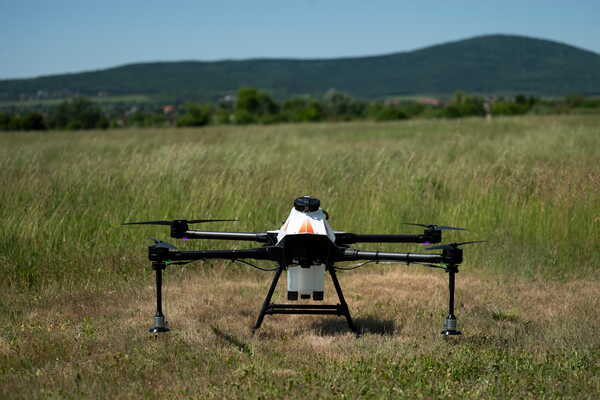
Parry Labs Advances Modular Mission Systems in AV’s P550 for Army LRR
Parry Labs integrated its mission computing and MOSA-based architecture into AV's P550 to support the US Army's LRR programme.


Key facts
- Parry Labs integrated its mission computing and MOSA architecture into AV’s P550 for the US Army LRR programme.
- The MOSA-based approach aims to enable faster sensor swaps, third-party interoperability and lower sustainment costs.
- The integration highlights wider defence adoption of open, modular systems for medium-endurance ISR platforms.
2 minute read
Parry Labs has integrated its mission computing stack and a Modular Open Systems Approach (MOSA) architecture into Autonomous Vehicle Systems’ P550 unmanned aircraft to support the US Army’s Long-Range Reconnaissance (LRR) programme. The upgrade focuses on modular software and hardware interfaces intended to let operators swap sensors, communications links and payloads more quickly and upgrade computing components independently of the airframe. Parry positions MOSA compliance as a way to improve interoperability with third-party sensors and data systems, reduce sustainment costs, and accelerate insertion of new capabilities.
For European defence stakeholders this development underlines the broader shift toward open, modular architectures across allied UAV programmes. MOSA-style designs favour competitive multi-vendor supply chains, shorter upgrade cycles and better cross-platform data sharing—important factors for theatre-level ISR and cross-border operations. Although detailed performance metrics were not disclosed, the announcement suggests the P550 could serve as a more adaptable ISR node—hosting electro-optical payloads, communications suites or other mission kits as requirements evolve. Programme managers and procurement teams should view the integration as a signal to prioritise modular interfaces and software-defined payloads when evaluating medium-endurance UAS to preserve upgrade paths and interoperability with allied systems.
Source: sUAS News