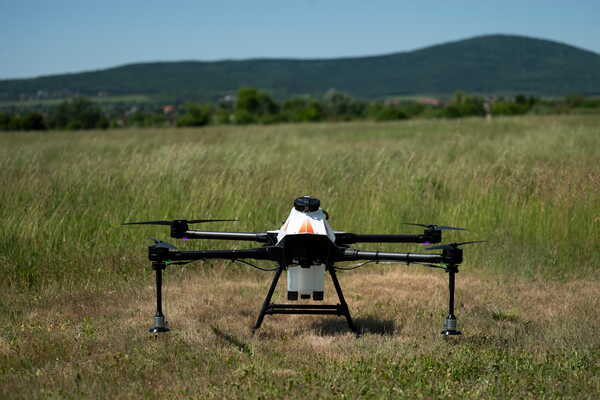
Poland Expands Drone Ban Near Ukraine and Belarus Borders
Poland has announced an extension of its drone ban along its borders with Ukraine and Belarus, citing security concerns. This decision aims to enhance national security amid ongoing tensions in the region, particularly in light of the conflict in Ukraine.

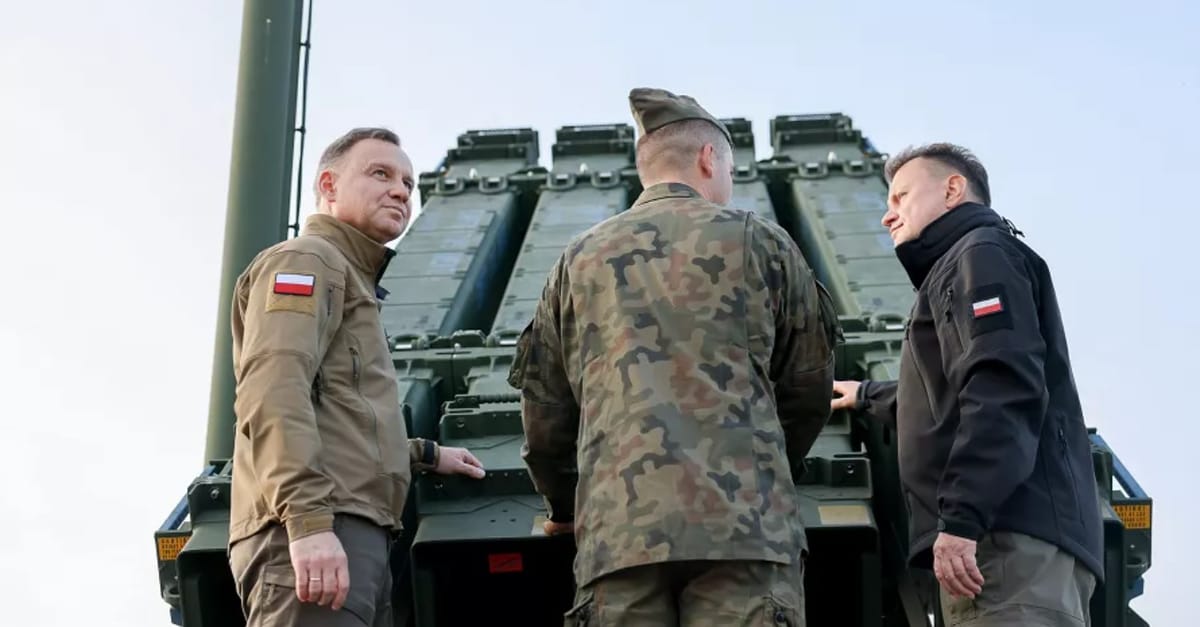
Poland Expands Drone Ban Near Ukraine and Belarus Borders,
Key facts
- Poland's drone ban now covers its entire border with Ukraine and Belarus.
- The decision is driven by heightened security concerns amid the Ukraine conflict.
- The ban aims to prevent unauthorized drone surveillance and potential threats.
2 minute read
Poland is closing the lowest tier of airspace along its eastern frontier to remove a cheap reconnaissance vector and reduce cross border friction. The measure codifies the authority to detect, disrupt, and seize unauthorized systems, which simplifies command decisions and accelerates response timelines. It also narrows the space for provocations around rail nodes, fuel lines, and ammunition storage, where drone sightings have created recurring security noise.
The policy enables a single playbook for the Border Guard, police, and armed forces, cutting ambiguity at the point of contact. A layered approach that blends radar, RF analytics, and electronic warfare can now feed a common air picture and clearer rules of engagement. This supports deconfliction with military and allied flights near logistics corridors that underpin NATO sustainment. It also reflects warnings from senior commanders that adversaries are shaping the battlespace through persistent low altitude probes.
The cost is tighter constraints for media, commercial operators, and NGOs, who will operate through waivers and controlled corridors. This is becoming standard across the eastern flank as temporary restrictions harden into semi permanent security fixtures. The approach aligns with a hybrid threat environment described by Poland’s leadership, prioritizing state control of the electromagnetic and low altitude domains. It will also test how EU U space concepts adapt when national security overrides civil integration at the border.
Delivery will decide impact. Warsaw needs wider sensor coverage, faster cue to intercept, resilient command and control, and mobile jamming teams that can maneuver with ground forces. Data sharing with Allied Air Command and neighbors must be routine, with standardized incident reporting and clear legal pathways for interdiction. As the defense ministry has stressed, whole of government synchronization is essential. Europe is moving toward a permanent counter drone architecture anchored at its front lines.
A more networked, permanent air defense posture is becoming the baseline for European security.