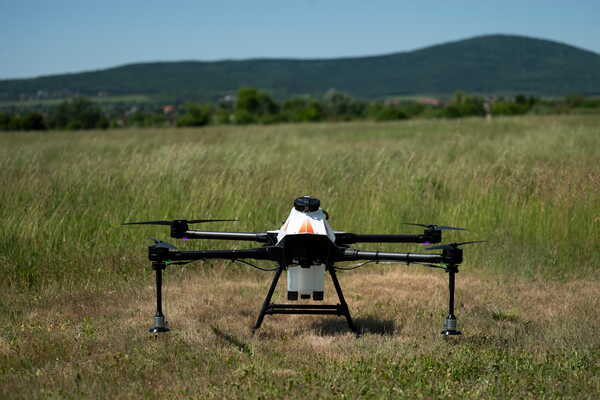
Poland to Produce Ukraine's Seawolf Drones in Partnership with Kongsberg
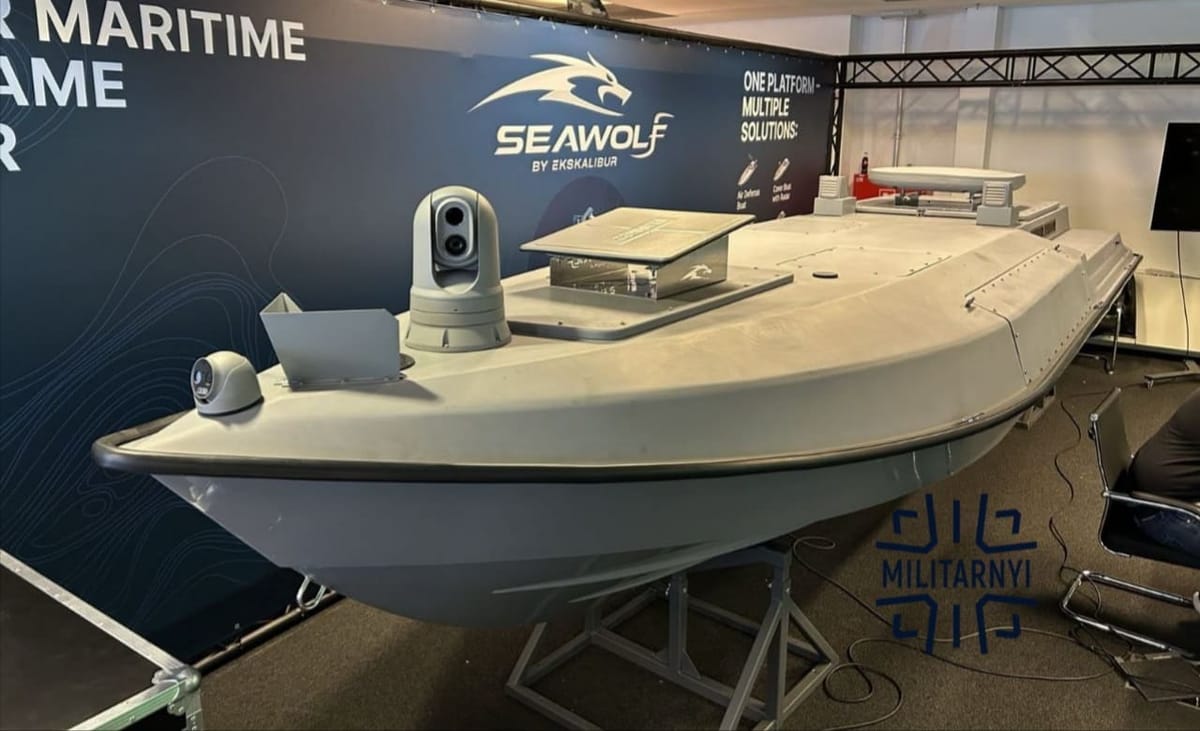
Poland has entered a defense agreement with Norway’s Kongsberg to manufacture Seawolf drones for Ukraine. This collaboration aims to bolster Ukraine's defense capabilities amid ongoing conflict, while enhancing Poland's role in European defense manufacturing.

Key facts
- Poland will manufacture Seawolf drones for Ukraine under a new defense agreement.
- The deal is with Norway’s Kongsberg, enhancing Poland's defense manufacturing role.
- Seawolf drones will improve Ukraine's surveillance and reconnaissance capabilities.
2 minute read
The Poland Kongsberg arrangement signals a shift from ad hoc donations to structured European production for Ukraine’s unmanned needs. Building drones inside the EU reduces logistical risk, shortens replenishment cycles and hardens supply against sanctions pressure and Russian disruption. It also puts Ukraine on a clearer path to standardized platforms that can plug into NATO command, control and data architectures, improving target acquisition and battlefield awareness.
For Poland, manufacturing Seawolf elevates its role as a regional defense hub, moving from final assembly to systems integration and life cycle support. That positions Warsaw to shape standards, secure export opportunities and anchor maintenance, repair and overhaul capacity close to the front. For Norway’s Kongsberg, dispersing production into Poland lowers cost, expands surge capacity and deepens access to EU programs, while preserving control of key technologies.
Strategically, the deal aligns with Europe’s push to expand defense industry output through cross border consortia and common procurement. It complements NATO efforts to increase stockpiles, improve interoperability and accelerate fielding of cost effective unmanned systems resilient to electronic warfare. European made ISR drones reduce dependence on external suppliers and build a more sustainable pipeline for Ukraine as a long war persists.
Execution will be the test. Success hinges on rapid certification, secure component supply, EW hardening and operator training at scale. Financing must be predictable and multi year to justify capacity. If the model works, it could be replicated for strike UAVs, counter UAS kits and autonomy software, knitting together a distributed European drone ecosystem. Europe is quietly building a wartime industrial base for the drone centric battlespace.