Finnish Police Drone Shot Down During Armed Standoff in Nurmijärvi
Police drone deliberately destroyed by armed suspect in Europe's first recorded kinetic attack on law-enforcement UAS.


Police drone deliberately destroyed by armed suspect in Europe's first recorded kinetic attack on law-enforcement UAS.
Key Facts
Body
- Police-operated drone shot down during armed response in Nurmijärvi, Finland, in late January 2026
- Suspect later shot by police while attempting to leave secured perimeter
- First known case in Europe of civilian intentionally downing a state-operated drone during law-enforcement operation
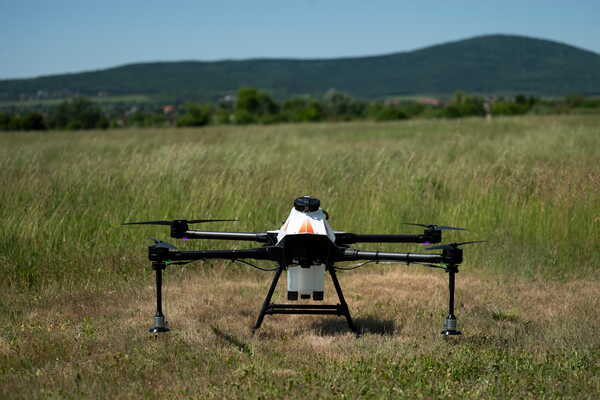
Finnish police deployed a reconnaissance drone during an armed incident at a private residence in Nurmijärvi in late January. The suspect deliberately shot the aircraft out of the sky before police later shot the individual while preventing an attempted exit from the secured area. Both the drone engagement and the police use of force are now under prosecutor-led investigation.
The incident marks a threshold for European law enforcement. Police across EU member states increasingly deploy drones to reduce officer risk and improve situational awareness during high-risk interventions. Until now, these systems have operated largely uncontested in domestic airspace. The Nurmijärvi engagement reframes police drones not only as operational tools but as potential targets in armed confrontations — a dynamic familiar in Ukraine and other conflict zones but previously absent from European civil policing.
European police agencies will likely review deployment protocols and aircraft survivability in light of this incident. The operational assumption that police drones are protected by legal authority — rather than physical hardening or electronic warfare resilience — no longer holds in all threat environments. Over the next 12–18 months, expect increased interest in counter-drone measures adapted for law-enforcement use, particularly among Nordic and Baltic states facing heightened security postures near the Russian border. The counter-argument: this may be an isolated outlier tied to an individual suspect's behavior, not evidence of a broader tactical shift. If subsequent armed incidents do not involve drone targeting, agencies may treat Nurmijärvi as a one-off rather than a pattern requiring systemic change.