Rheinmetall and MBDA Promote German Laser Gun for Drone Defense
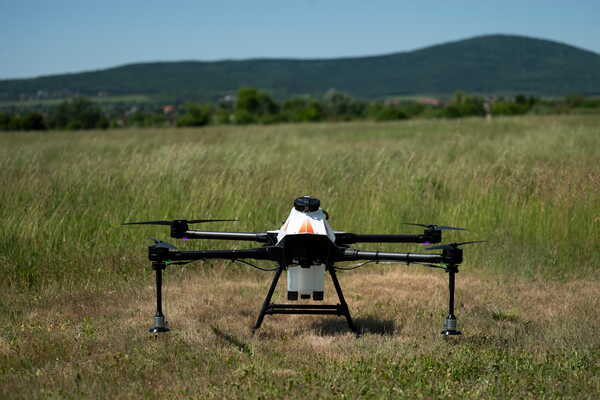
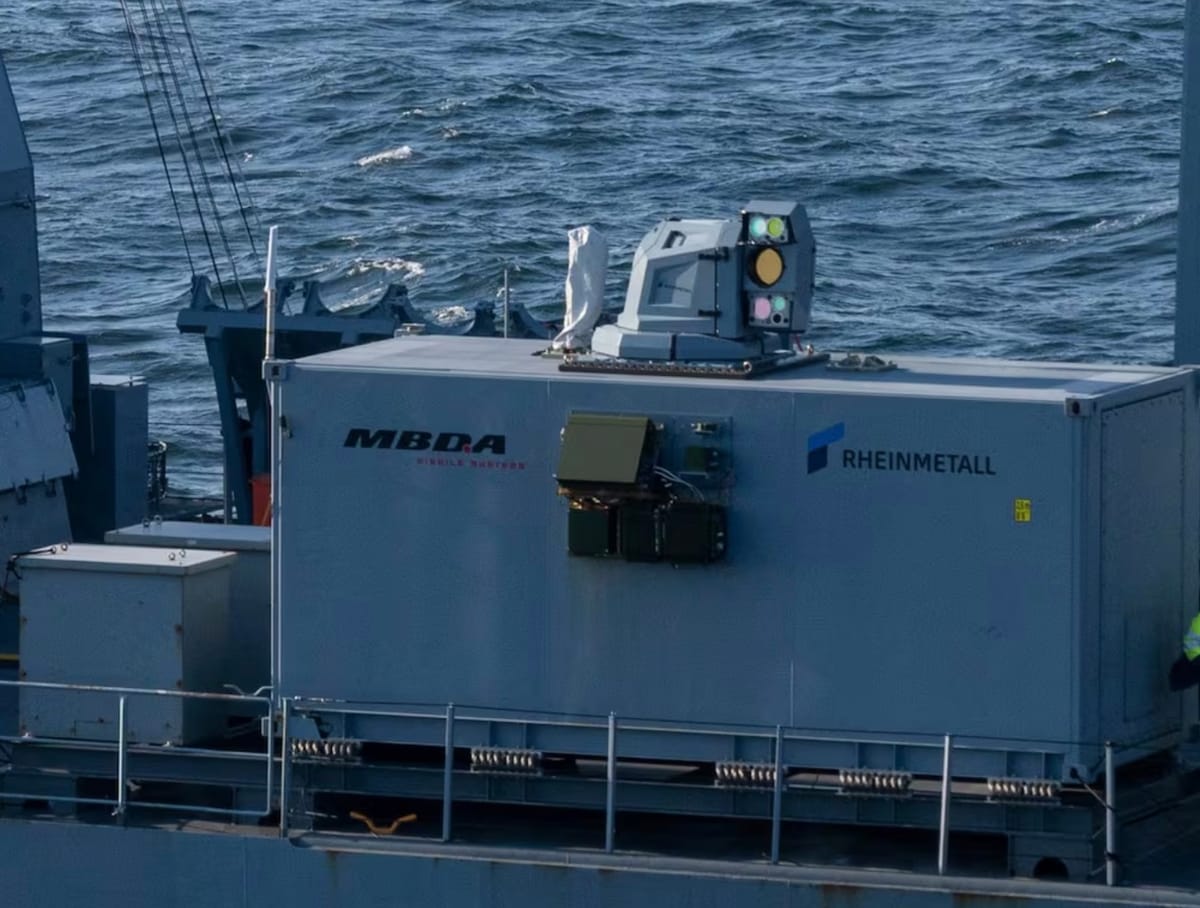
Rheinmetall and MBDA have unveiled a shipborne laser weapon designed to counter drone threats. This advanced system aims to enhance naval capabilities against increasing drone usage in modern warfare.

Key facts
- Rheinmetall and MBDA's laser gun targets drone threats at sea.
- The system emphasizes precision and energy efficiency in defense.
- Germany aims to enhance its naval capabilities with innovative technologies.
2 minute read
Germany's move to field a shipborne laser with Rheinmetall and MBDA marks a shift in European naval air defense toward energy based effectors. Drones, loitering munitions and small boats exploit swarming and cost asymmetry. A high energy laser adds a precise, rapid and low cost per shot layer against small and some larger UAS, preserving missiles for high end threats. It also eases logistics at sea and lowers collateral risk in crowded waterways.
For Berlin, the effort aligns with the Zeitenwende and builds a European answer to US directed energy programs. Joint development by two prime contractors reinforces industrial sovereignty, exportability and technology sharing across NATO fleets. If integrated with ship combat systems and cueing radars, lasers can become a standard tier in layered defense alongside electronic warfare, decoys and short range missiles, extending magazine depth for prolonged operations.
Doctrine and integration will decide impact. Weather, aerosols and sea spray can blunt power on target, and ships need reliable generation and cooling. Navies must set rules of engagement, deconflict with sensors and aviation, and train crews to blend laser effects with kinetic and non kinetic options. Common test standards and interoperability will enable shared tactics, sustainment and spares, with EU tools such as EDF and PESCO available to accelerate adoption.
If Germany proves reliable maritime laser performance, Europe will gain a scalable counter UAS layer that reshapes the cost curve at sea.
You might like...
 Mr. T (Curator)
 Mr. T (Curator)
 Mr. T (Curator)