Rheinmetall and Varjo Collaborate on Mixed-Reality Training Solutions
Rheinmetall has partnered with Varjo to enhance military training through advanced mixed-reality technology, aiming to improve operational readiness and effectiveness.

Key facts
- Rheinmetall partners with Varjo for advanced mixed-reality training solutions.
- The collaboration focuses on enhancing military training effectiveness.
- Mixed-reality technology aims to simulate complex operational scenarios.
2 minute read
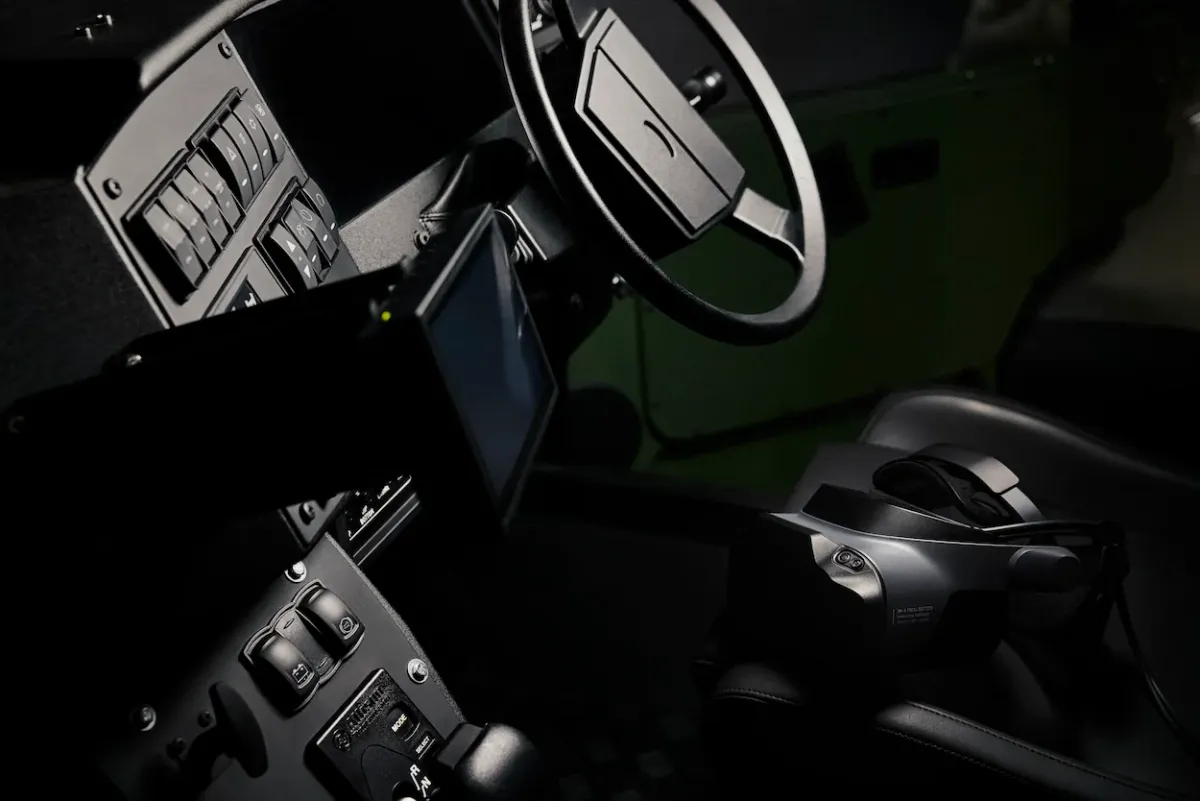
The Rheinmetall Varjo partnership signals a shift toward sovereign, high fidelity synthetic training in Europe. Pairing Rheinmetall’s live virtual constructive ecosystems with Varjo’s military grade headsets allows forces to rehearse complex missions without range or airspace constraints, sustaining readiness while easing pressure on ammunition, ranges, and maintenance budgets.
For NATO, the value lies in interoperability at scale. If the solution aligns with open standards and common data models, allies can plug national simulators into multinational exercises and train to shared tactics and procedures. High resolution mixed reality can emulate allied platforms and command workflows, improving combined arms coordination and accelerating decision cycles in contested environments where cyber and electronic warfare effects are hard to replicate live.
The industrial angle matters. A Germany Finland tie up keeps more capability inside the European Defence Technological and Industrial Base, reducing reliance on non European training stacks. If Rheinmetall embeds mixed reality across vehicles, soldier systems, and gunnery trainers, it can set a common visual and data layer for customers, shaping requirements in upcoming modernization programs and enabling reuse of digital twins across fleets.
Adoption will hinge on accreditation and trust. Headsets must meet classified handling rules, deliver low latency rendering on ruggedized hardware, and protect biometric and telemetry data. Defence networks will need assured bandwidth at the edge and lifecycle support aligned to platform timelines, not consumer electronics cycles.
The timing reflects operational lessons from Ukraine, where adaptation speed and combined arms integration drive outcomes. Synthetic environments can compress training for counter UAS, urban operations, logistics routing, and fires deconfliction, building decision advantage at lower risk. Expect pilots that start with vehicle crews to extend into joint and coalition events as infrastructure and doctrine mature.
Europe is converging on software led readiness where synthetic training becomes a core instrument of deterrence.