Romania Evacuates Village After Russian Drone Attack on Ukrainian Port
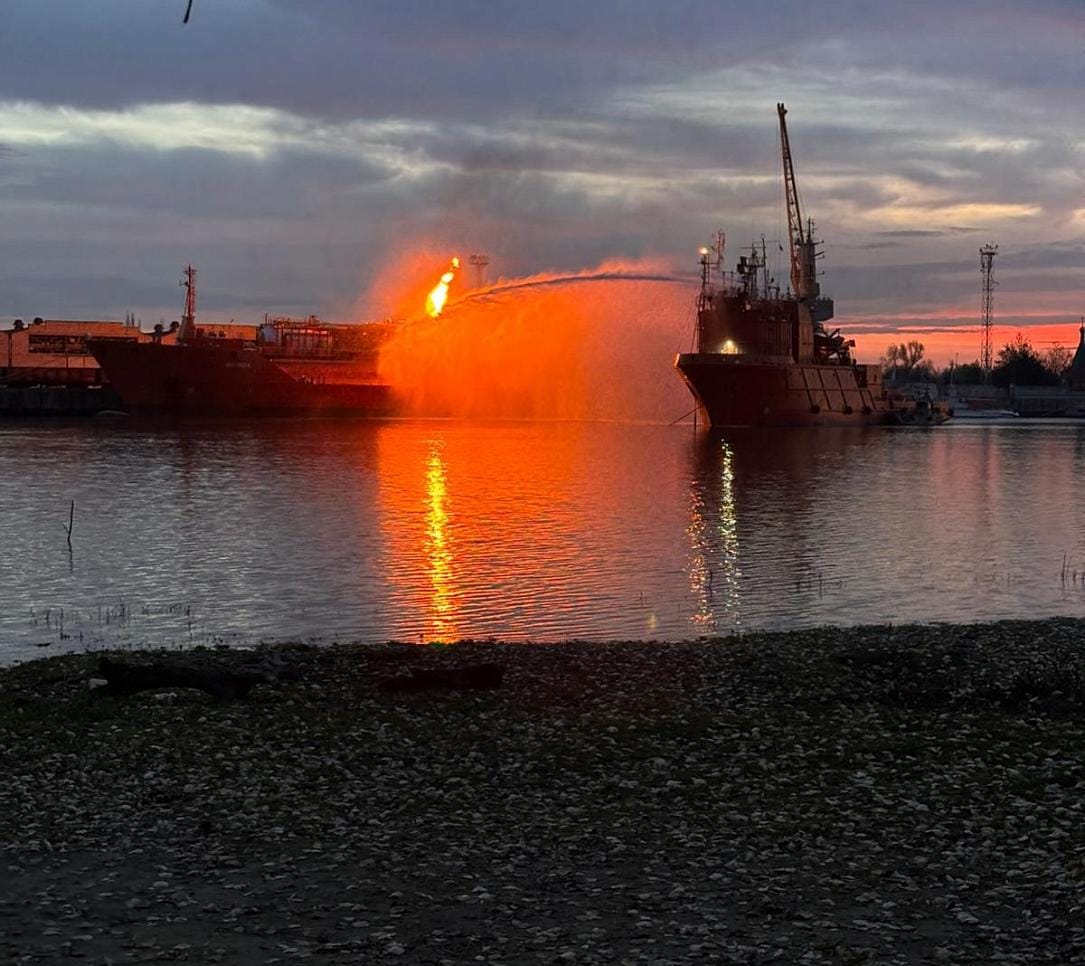
Following a Russian drone strike on a gas vessel at a Ukrainian port, Romania has evacuated a border village due to safety concerns. The attack raises alarms about regional security and the potential for further escalation in the ongoing conflict.

Key facts
- Romania evacuates a border village after a Russian drone strike on a Ukrainian gas vessel.
- The attack raises concerns about regional security and civilian safety.
- Increased drone warfare poses risks to critical infrastructure in Europe.
2 minute read
Romania's evacuation after a Russian drone hit a gas vessel at a Ukrainian Danube port exposes the Danube corridor as a frontline adjacent to NATO territory. The immediate risk is accidental or deliberate spillover, not a conventional attack. That edge case stresses NATO's crisis management, escalation control and evidence collection, especially when fragments, debris and blast effects may cross borders in minutes.
For Romania, the priority is low altitude detection and defeat. Shahed class and improvised drones fly under radar and exploit riverine clutter. Bucharest and allies should close gaps with layered ground based air defense, counter UAS jammers and interceptors, passive sensors and resilient command links tied into NATO Integrated Air and Missile Defence. Mobile riverine teams and port area point defenses are needed, alongside deconfliction procedures with civil aviation and shipping.
The strike on a gas vessel highlights energy and trade exposure. The Danube route has partly replaced blocked Black Sea lanes, moving grain, fuel and LPG through dense civilian zones. A single incident can spike insurance, disrupt pilots and force temporary closures. The EU should support Romania with port hardening, navigation security, electronic warfare corridors, better firefighting for hazardous cargo, and coordinated river patrols with Ukraine and Moldova.
Legally, such events sit below an Article 5 threshold unless Romanian assets are targeted or harmed. Yet repeated incidents erode deterrence and normalize risk. NATO should pre agree attribution standards, response menus and communications for cross border drone incidents, from forensic recovery teams to proportional defensive actions. Romania can pair this with civil protection upgrades, public alerting and redundant power and communications for border communities.
Europe is moving toward persistent, layered air defense and hardened infrastructure designed for a drone saturated battlespace.