Stalling EU Rearmament Plans
Europe’s rearmament push is stalling despite record defence budgets. Political disunity, fragmented procurement, and low recruitment are undermining progress. Without real cooperation, the EU’s ambition for strategic autonomy risks remaining rhetoric, not readiness.

Key Points
- Europe’s defence plans are hampered by political disunity, budget inefficiency, and low recruitment.
- Fragmented procurement drives up costs and limits interoperability.
- Without deeper cooperation, Europe’s “rearmament” risks becoming more rhetoric than reality.
Europe’s ambitious rearmament drive, launched in response to the war in Ukraine, is losing momentum. Despite record defence budgets and repeated calls for “strategic autonomy,” the continent’s ability to turn spending into real military power remains limited.
According to a TLDR News EU analysis, three structural obstacles are holding Europe back: political disunity, financial strain, and a shrinking pool of military personnel.
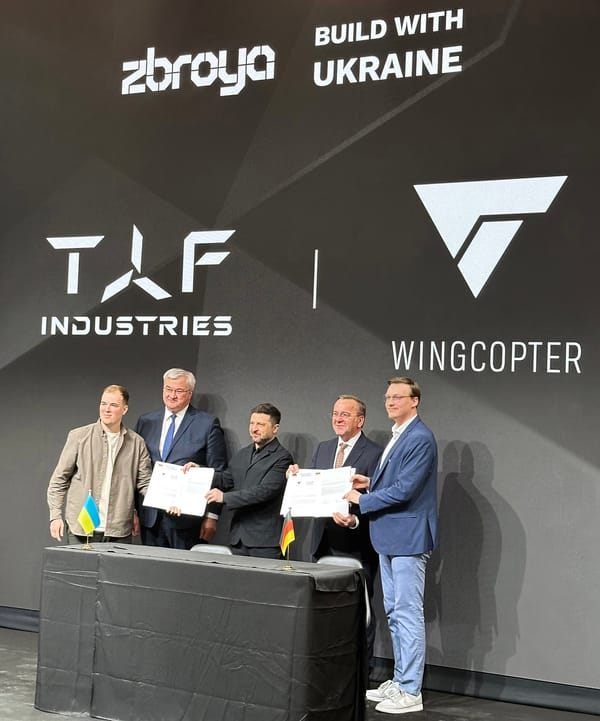
The first is intra-European infighting. Efforts to coordinate major defence projects through the EU are facing resistance from powerful member states. France and Germany, in particular, prefer to handle procurement through national channels rather than under Brussels’ supervision. Their flagship joint venture, the Future Combat Air System (FCAS), has been mired in disputes between industrial partners and could soon collapse. Meanwhile, debates continue over whether non-EU NATO allies like the UK should be included in European defence initiatives.
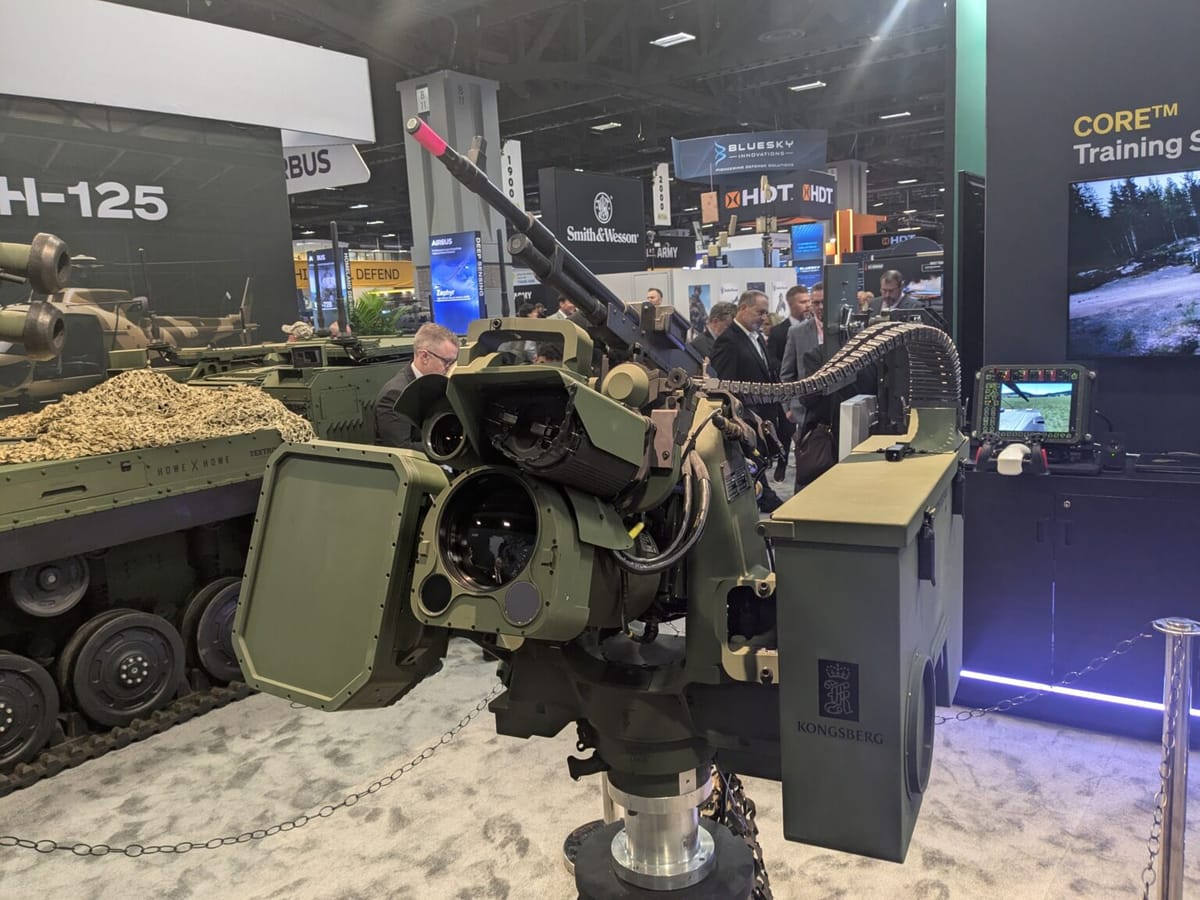
Second, public finances are overstretched. Each country continues to prioritise its own defence industry, preventing economies of scale. This fragmentation makes equipment more expensive and redundant — by 2018, European NATO members operated six times as many weapon systems as the US. Without joint procurement or shared production lines, much of the new spending leaks into inefficiency rather than capability.
Finally, Europe’s militaries are struggling to grow. Since the 1990s, most have shrunk dramatically, and recruitment drives are failing to reverse the trend. Germany’s proposed voluntary service faces political backlash, while even big spenders like Poland can’t fill ranks fast enough. The deeper issue may be societal: Europeans appear reluctant to rearm, even as threats multiply.
In short, Europe’s rearmament isn’t failing for lack of money — it’s faltering because of fragmentation, bureaucracy, and hesitation. Without political will to pool sovereignty and coordinate production, the continent risks spending billions without achieving real readiness.
You might also like to read...
 Mr. T (Curator)
 Mr. T (Curator)
 Mr. T (Curator)