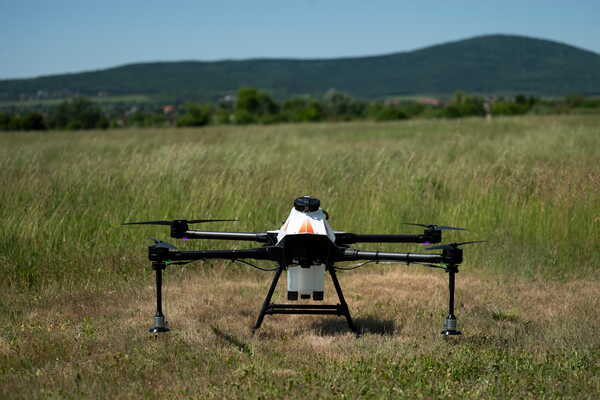
Sweden Builds a Homegrown Drone Force
Sweden is expanding domestic drone capabilities to strengthen deterrence, secure supply chains, and equip its armed forces with scalable unmanned systems.


Key facts
- Sweden is prioritising domestic drone production to secure supply chains and sensitive technology.
- Procurement covers ISR, endurance platforms, loitering munitions, and counter‑UAS systems.
- The programme aligns with Sweden’s Total Defence model and NATO interoperability goals.
2 minute read
Sweden has embarked on a deliberate programme to field a broadly capable, domestically supplied drone force. The move reflects a policy shift driven by Russia’s assertiveness, combat lessons from Ukraine, and Stockholm’s integration into NATO structures. Rather than buying exclusively from foreign suppliers, Swedish defence planners are prioritising local production to secure supply chains, protect sensitive technology, and accelerate fielding.
Investment flows into a spectrum of unmanned systems: small tactical drones for intelligence, surveillance and reconnaissance (ISR); larger endurance platforms for persistent monitoring; and loitering munitions for precision strike. Equally important are counter‑UAS tools to protect critical infrastructure and military formations. Sweden’s industrial strategy combines traditional defence contractors with startups, aiming to create an ecosystem that can iterate quickly and supply the Swedish Armed Forces under wartime surge conditions.
Operationally, the initiative dovetails with Sweden’s Total Defence framework and recent conscription expansion, preparing distributed units to operate unmanned assets in dispersed, contested environments. Policymakers are balancing export controls and interoperability with NATO partners—seeking systems that can both contribute to alliance missions and sustain national resilience. For Brussels and NATO capitals, Sweden’s homegrown push signals a broader European trend: states prioritising sovereign capabilities in drones to manage risk, foster local industry, and enhance deterrence on the continent’s northeastern flank.
Source: The National Interest