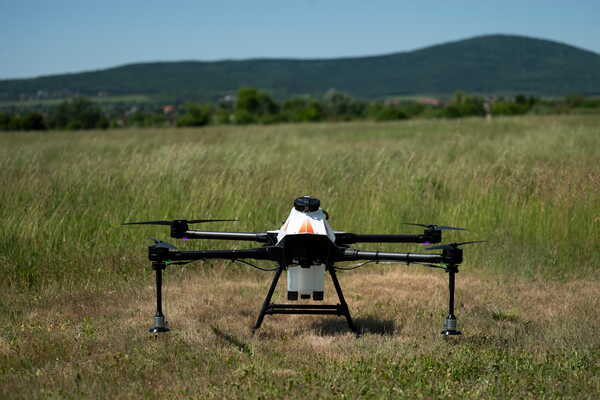
Sweden Tests Russian Attack Drones for Defense Insights
Sweden has acquired and is testing copies of Russian attack drones to enhance its defense capabilities. This move is part of a broader strategy to understand potential threats and improve counter-drone technologies.

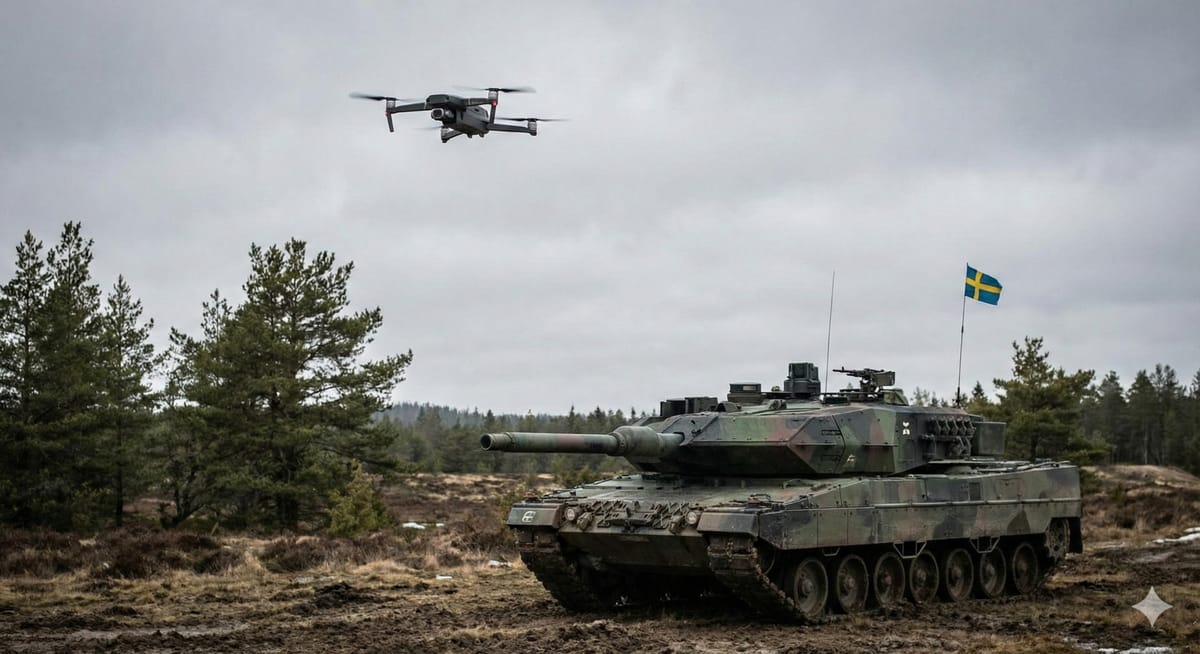
Key facts
- Sweden is testing Russian attack drones to improve defense strategies.
- The initiative aims to understand vulnerabilities of adversarial drone systems.
- This move reflects rising military readiness amid European security concerns.
2 minute read
Sweden’s decision to test copies of Russian attack drones reflects a broader shift toward threat emulation and faster adaptation. By reproducing adversary profiles, Stockholm can map flight behaviour, guidance modes, datalinks and payload effects, then feed those insights into layered counter UAS planning. The near term payoff is tighter integration of sensors, electronic attack and kinetic interceptors. As a new NATO member, Sweden also adds empirical data to alliance threat libraries and standards, improving interoperability across Nordic and Baltic airspace where cheap loitering munitions and small quadcopters strain traditional air defense.
Policy signals are clear. Expect rapid updates to electronic warfare toolsets, sensor fusion and command and control, along with refined rules of engagement for base, port and energy infrastructure protection. Industrially, Sweden and European partners can use these findings to validate seekers, radars and effectors, and to stress test autonomy and jamming resilience. Lessons should inform Ukraine support packages and NATO concepts for short range air defense and base defense, where cost exchange ratios and magazine depth are decisive.
Challenges remain. Acquiring or reproducing adversary hardware demands strict export control compliance and careful messaging to avoid escalation narratives. The value of testing depends on fast doctrine updates, training cycles and stockpiles of affordable interceptors. Coordination with EU efforts on joint procurement and cross border testing facilities would maximize impact and curb duplication. Sweden’s approach aligns with Europe’s pivot to realistic red teaming and iterative counter UAS upgrades, prioritizing speed, interoperability and resilience against mass, attritable threats. Europe’s defense will increasingly hinge on rapid learning loops that outpace evolving drone warfare.