Swiss Destinus, Shield AI wrap European drone autonomy test campaign
Source content insufficient for automated analysis; manual review required due to limited excerpt and missing article body.

Key Intelligence
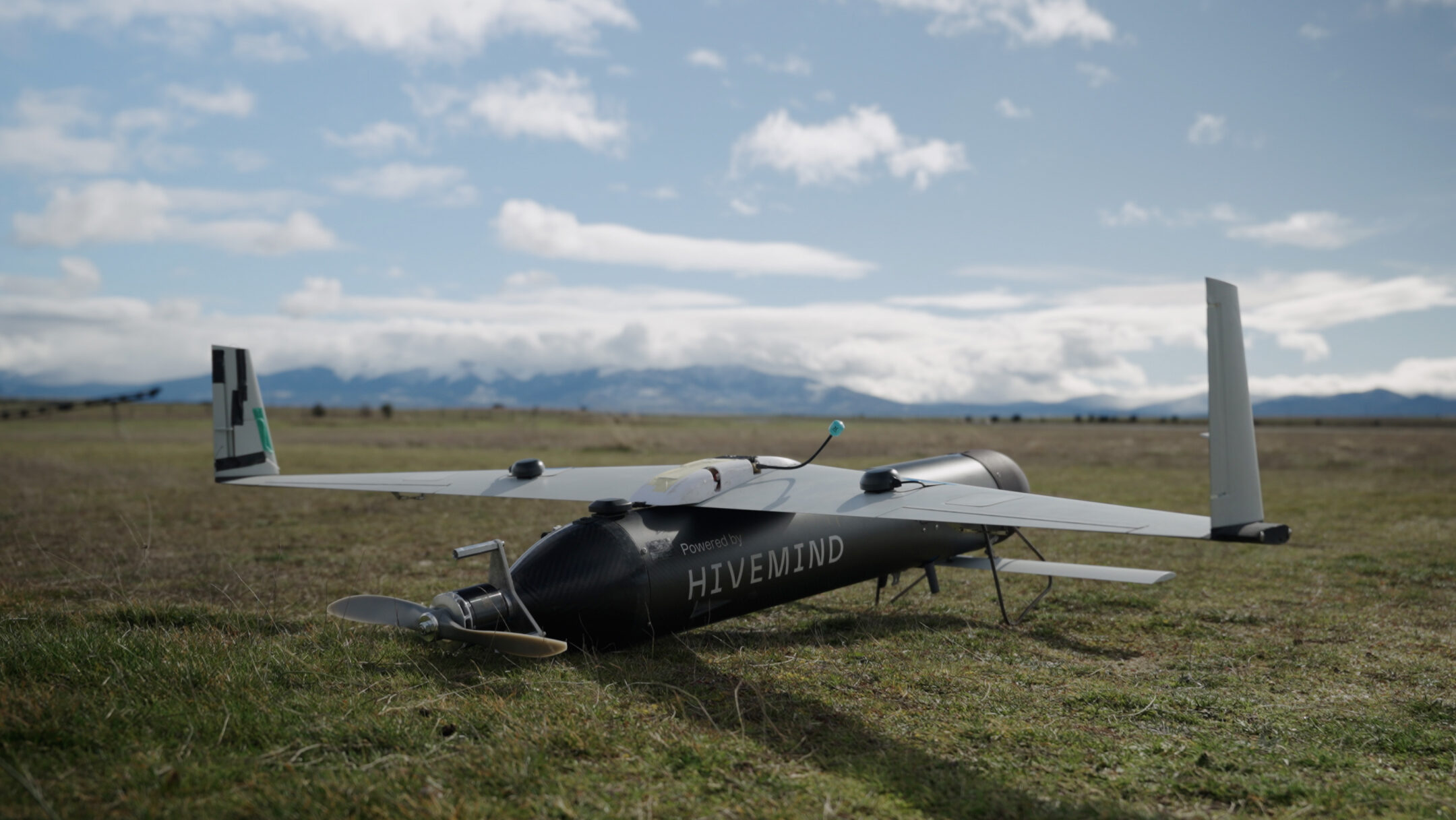
- Integrated Shield AI Hivemind software with the Destinus Hornet interceptor in Spain.
- Demonstrated autonomous path adaptation and GNSS-denied navigation capabilities.
- Horizontal scaling planned for multi-platform swarming and terrain-aware flight.
- Positions c-UAS interceptors as cost-effective alternatives to crewed aircraft for EU air forces.
3 minute read
The completion of a two-month flight test campaign in Segovia, Spain, by Destinus and Shield AI represents a significant advancement in the deployment of autonomous counter-unmanned aerial systems (c-UAS) within the European theater. The integration of the Hivemind mission autonomy software onto the Hornet interceptor platform demonstrated the ability to adapt flight paths in real-time, specifically navigating away from dynamic geofenced locations without manual intervention. This capability is particularly relevant for European defense planners who must increasingly account for sophisticated electronic warfare environments that render traditional ground-control-dependent systems obsolete.
For European procurement officers, the Hornet-Hivemind pairing offers a compelling alternative to the use of crewed fighter aircraft for low-tier aerial threats. The software's ability to operate at the edge—processing mission logic onboard rather than through a ground station—mitigates risks associated with communication degradation and GNSS jamming, which have become hallmarks of modern conflict on Europe's eastern flank. The success of Shield AI's V-BAT in Ukraine, recording over 130 sorties under intense electronic suppression, provides a credible baseline for the efficacy of these algorithms in high-intensity European scenarios.
The Hornet is positioned as an initial baseline for a broader strategic roadmap that envisions expanding autonomy to include terrain-aware flight profiles and swarming behaviors. This trajectory aligns with the broader European trend toward 'loyal wingman' concepts and layered air defense architectures designed to protect critical national infrastructure. While the Dutch Ministry of Defense’s recent acquisition of the V-BAT system signals growing European trust in American autonomy software, the partnership with Swiss-based Destinus ensures a level of regional hardware integration essential for long-term European strategic autonomy and logistical support.
Source: Breaking Defense