TEKEVER Wins EMSA Contract for AR5 UAS in Maritime Surveillance
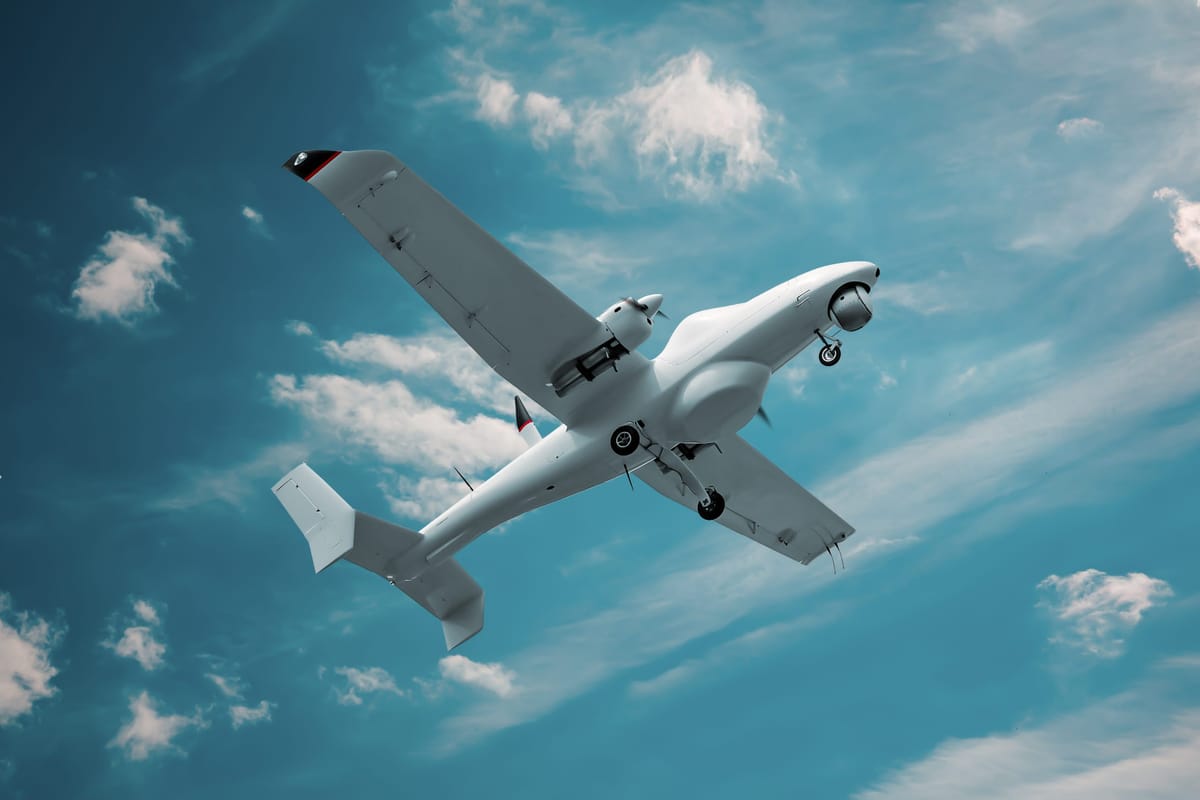
TEKEVER has secured a two-year agreement with EMSA to deploy its AR5 fixed-wing UAS, enhancing maritime surveillance capabilities across European waters. The deal includes the provision of two complete systems, each with dual UAS, aimed at supporting various maritime missions.

Key facts
- TEKEVER's AR5 UAS will enhance maritime surveillance for EMSA across Europe.
- The system features a modular payload for diverse mission requirements.
- Operational since 2017, the AR5 has been deployed in multiple European countries.
2 minute read
EMSA’s decision to scale TEKEVER’s AR5 service is more than a contract renewal; it is a validation of the "service-based" model that is quietly reshaping how Europe watches its waters. Instead of individual coast guards struggling to procure and maintain their own fleets of drones, member states are increasingly tapping into a central EU capability that provides maritime intelligence on demand. For the fisheries inspector in the Atlantic or the search-and-rescue coordinator in the Mediterranean, this means the difference between guessing where to look and having a live, high-definition feed of the target.
The operational shift is profound. The AR5’s ability to fly up to 12 hours and transmit data via SATCOM allows it to act as a persistent eye in the sky, shifting roles mid-flight from pollution monitoring to law enforcement support. This flexibility is crucial in a maritime domain where threats—whether oil slicks, illegal trawlers, or distress signals—do not respect national borders or agency silos. As Nadia Maaref, Managing Director of TEKEVER France, noted, the core value proposition is "allowing authorities to improve situational awareness and deliver real-time intelligence where it matters most."
Strategically, this €30 million investment reinforces the "drone wall" concept that is gaining traction across the continent, but applying it to the wet flank of Europe. Persistent unmanned coverage strengthens border management and critical infrastructure vigilance without exhausting scarce crewed patrol aircraft. By standardizing tasking and data formats, the system feeds a common operational picture that aligns with broader NATO interoperability objectives. Maja Markovčić Kostelac, EMSA’s Executive Director, has emphasized that as responsibilities expand under new maritime safety packages, the agency must leverage such "advanced technologies" to assist member states effectively.
However, the implications extend beyond mere surveillance. The platform’s integration of a life-raft release capability transforms it from a passive observer into an active first responder. In a search-and-rescue scenario, where every minute of hypothermia counts, the ability of a drone to locate a survivor and drop aid autonomously before a ship arrives is a genuine lifesaver. This capability suggests that the technology has matured from an experimental novelty into a reliable, scalable asset that is now a prerequisite for sustained operations in busy air and sea corridors.
Ultimately, this contract signals that Europe is building a distributed, resilient industrial base for defense and security. By relying on a home-grown supplier for critical ISR capabilities, the EU reduces its exposure to external supply chain shocks and export controls. If extended to its full four-year potential, this program will see EMSA operating a sophisticated, surge-capable constellation of drones that can be deployed to hotspots at short notice, marking a definitive shift toward persistent, networked unmanned surveillance as a core element of European defense.